
By combining epidemiology and informatics, it is possible to assess scenarios and predict epidemic evolutions, thus allowing policy makers and health institutions to better manage health emergencies. This is the core concept of GLEAM, an online informatics tool that simulates the unfolding of epidemics across the world.
GLEAM combines data from different sources – distribution of the world-wide population, their daily interactions and journeys, international air traffic – with models of infection dynamics, in order to simulate and possibly predict the spreading pattern of infectious diseases epidemics. This approach has been validated against historical epidemic outbreaks including the SARS epidemic in 2002 and proved to be effective when used to produce real time forecast of the spatial and temporal evolution of the H1N1 pandemic in 2009.
The software system is publicly available and is the result of the combined efforts of a cooperation between some institutions in Italy, France and USA. At the moment, the project is hosted by the Northeastern University in Boston and the Institute for Scientific Interchange (ISI) in Turin, and is partially founded by the National Institute of Health and the Defense Threat Reduction Agency.
Forecasting epidemic: GLEAM
Primary tabs
prossimo articolo
President Trump reshapes US research landscape
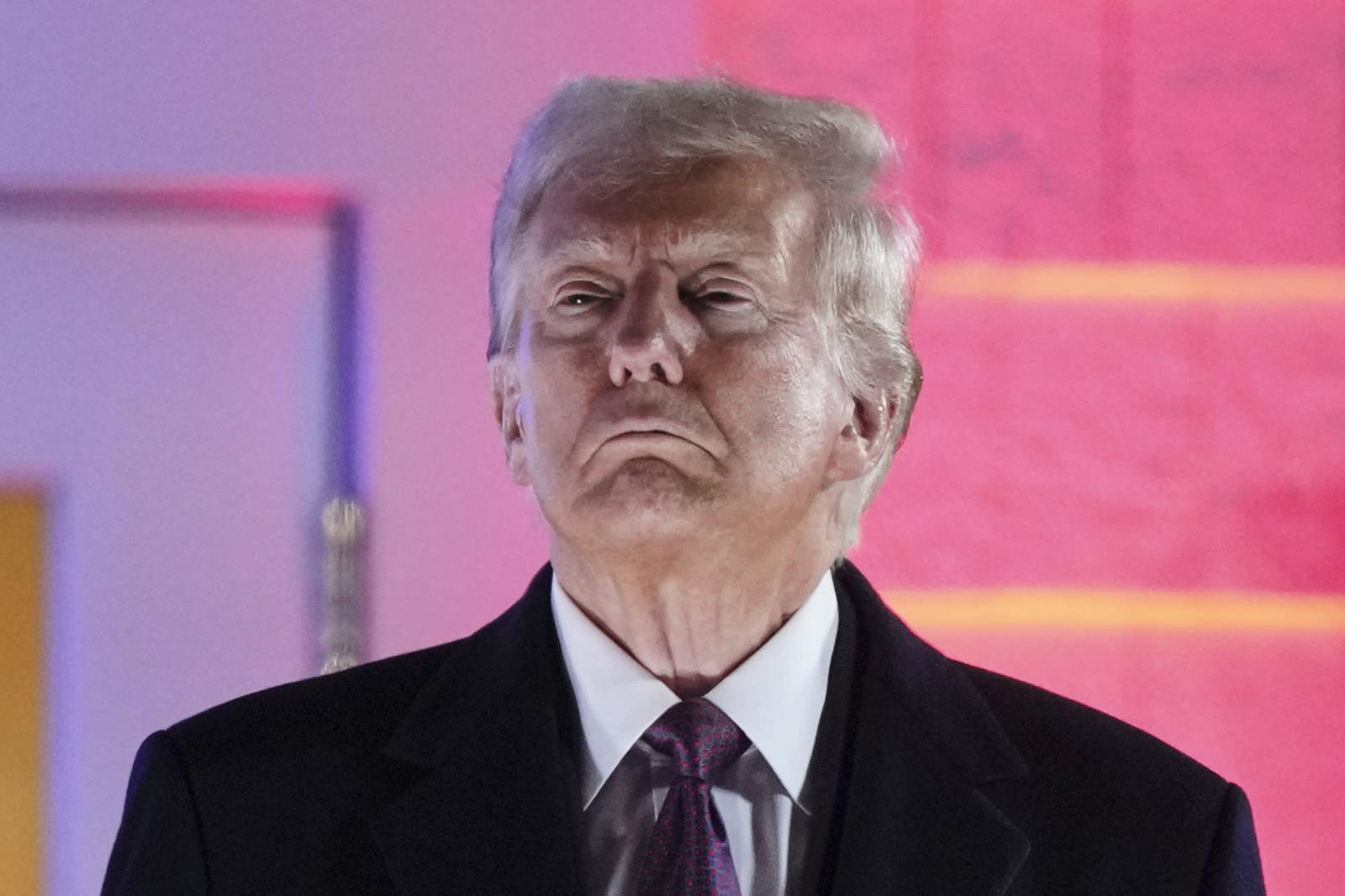
Con una serie di ordini esecutivi, Donald Trump smantella le politiche climatiche di Biden e ritira gli Stati Uniti dall'accordo di Parigi. Le agenzie federali scientifiche (EPA, NIH, CDC, FDA, NASA) vengono ristrutturate con nuove nomine orientate alla deregolamentazione. Vengono congelate le assunzioni federali, mentre la revisione delle collaborazioni internazionali potrebbe ridefinire il ruolo USA nella ricerca globale. Immagine: Donald Trump.
20 January 2025 marks a turning point in US science policy, with a series of executive orders drastically redefining the role of federal science and research agencies. A detailed analysis of the documents reveals an approach that fundamentally changes the basis of US climate, energy and biomedical research policy.
This comprehensive list shows the scope and breadth of the first day's interventions, which touch virtually every aspect of the federal government, from foreign policy to national security, from energy to immigration, from administrative reform to social policy.