
By combining epidemiology and informatics, it is possible to assess scenarios and predict epidemic evolutions, thus allowing policy makers and health institutions to better manage health emergencies. This is the core concept of GLEAM, an online informatics tool that simulates the unfolding of epidemics across the world.
GLEAM combines data from different sources – distribution of the world-wide population, their daily interactions and journeys, international air traffic – with models of infection dynamics, in order to simulate and possibly predict the spreading pattern of infectious diseases epidemics. This approach has been validated against historical epidemic outbreaks including the SARS epidemic in 2002 and proved to be effective when used to produce real time forecast of the spatial and temporal evolution of the H1N1 pandemic in 2009.
The software system is publicly available and is the result of the combined efforts of a cooperation between some institutions in Italy, France and USA. At the moment, the project is hosted by the Northeastern University in Boston and the Institute for Scientific Interchange (ISI) in Turin, and is partially founded by the National Institute of Health and the Defense Threat Reduction Agency.
Forecasting epidemic: GLEAM
Primary tabs
prossimo articolo
We cannot archive Covid-19 yet
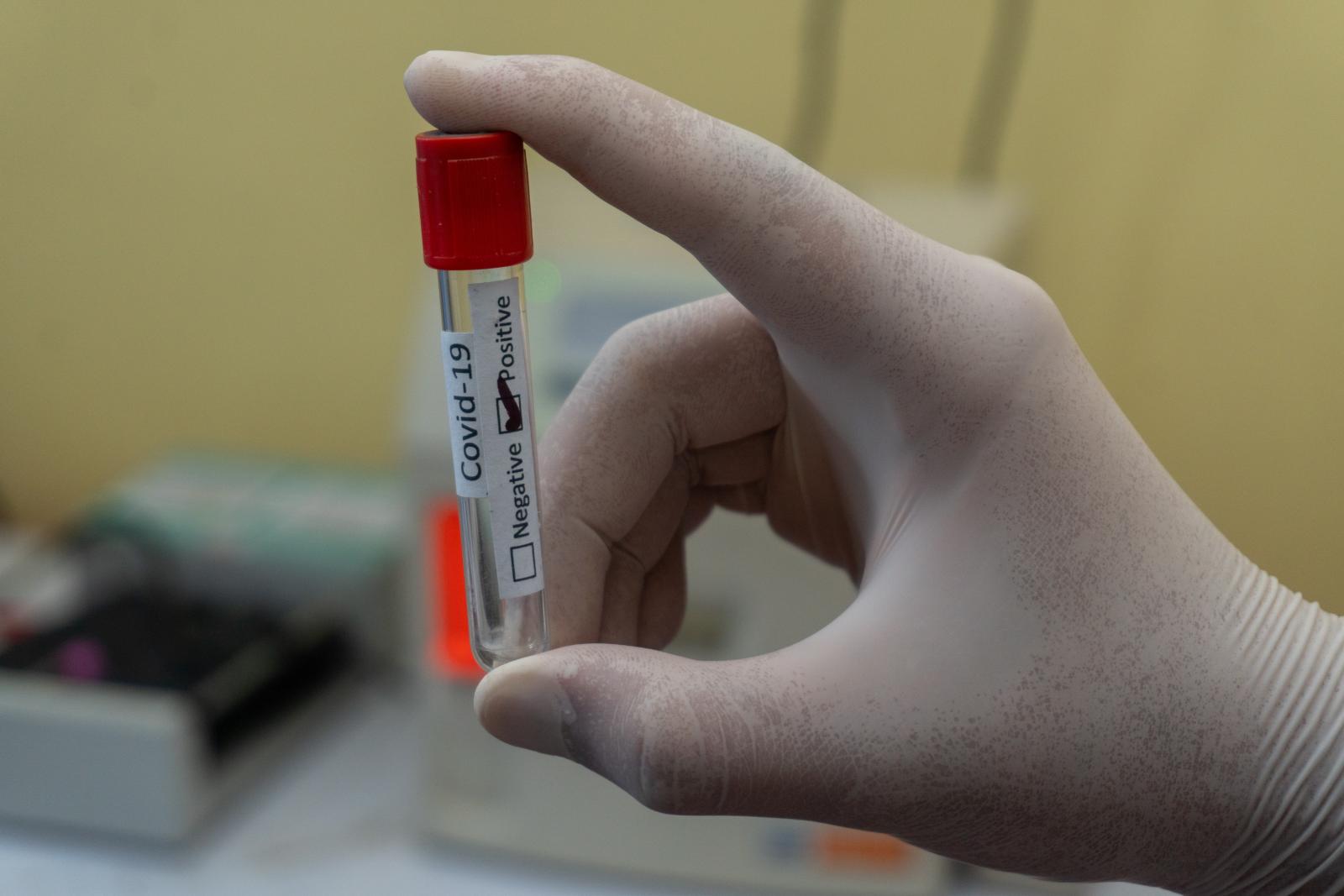
Coexistence with Covid-19 cannot yet be said to be stable, especially due to the great variability of SARS-CoV-2. For this reason, as the number of cases in Italy is increasing, it is necessary to limit the impact of infections by acting on two fronts, which are not alternatives to each other: reduce the share of people who have become partially susceptible and limit the likelihood of the emergence of new variants.
Image credits: Prasesh Shiwakoti (Lomash)/Unsplash
Several attempts have been made to archive Covid-19, trying to leave behind an experience worthy of the worst dystopian novel (about 770 million officially registered cases worldwide and an estimated 18 million deaths), but it seems that the anticipated "coexistence" with the family of viruses has not yet stabilized, and it will take several years to get there.