fbpx All | Page 2 | Science in the net

All

How far has scientific culture come in Italy in the last twenty years?

It will be presented on March 18 the 20th edition of the Science Technology and Society Yearbook by Observa, which gathers twenty years of data to provide an overview of the most significant dynamics and trends in the relationships between science, technology, and society. Here is our review of the report.

Often when the Italian speaker discusses any topic, they express their opinions. The Anglo-Saxon speaker, on the other hand, often starts by presenting data, and then, if really necessary, offers their opinion.

"We did not do a good job in explaining how flexible biology can be," interview with Frans de Waal

Frans de Waal

Eva Benelli and Anna Romano interview Fran de Waal about his latest book, Different. Gender issues seen through the eyes of a primatologist.

Photo of Catherine Marin

After reviewing Different. Gender issues seen through the eyes of a primatologist, we wanted to have a chat with the author, the primatologist Frans de Waal, to find out what motivated him to deal with gender issues and to get his opinion on research in this and other fields of ethology. Here is our interview.

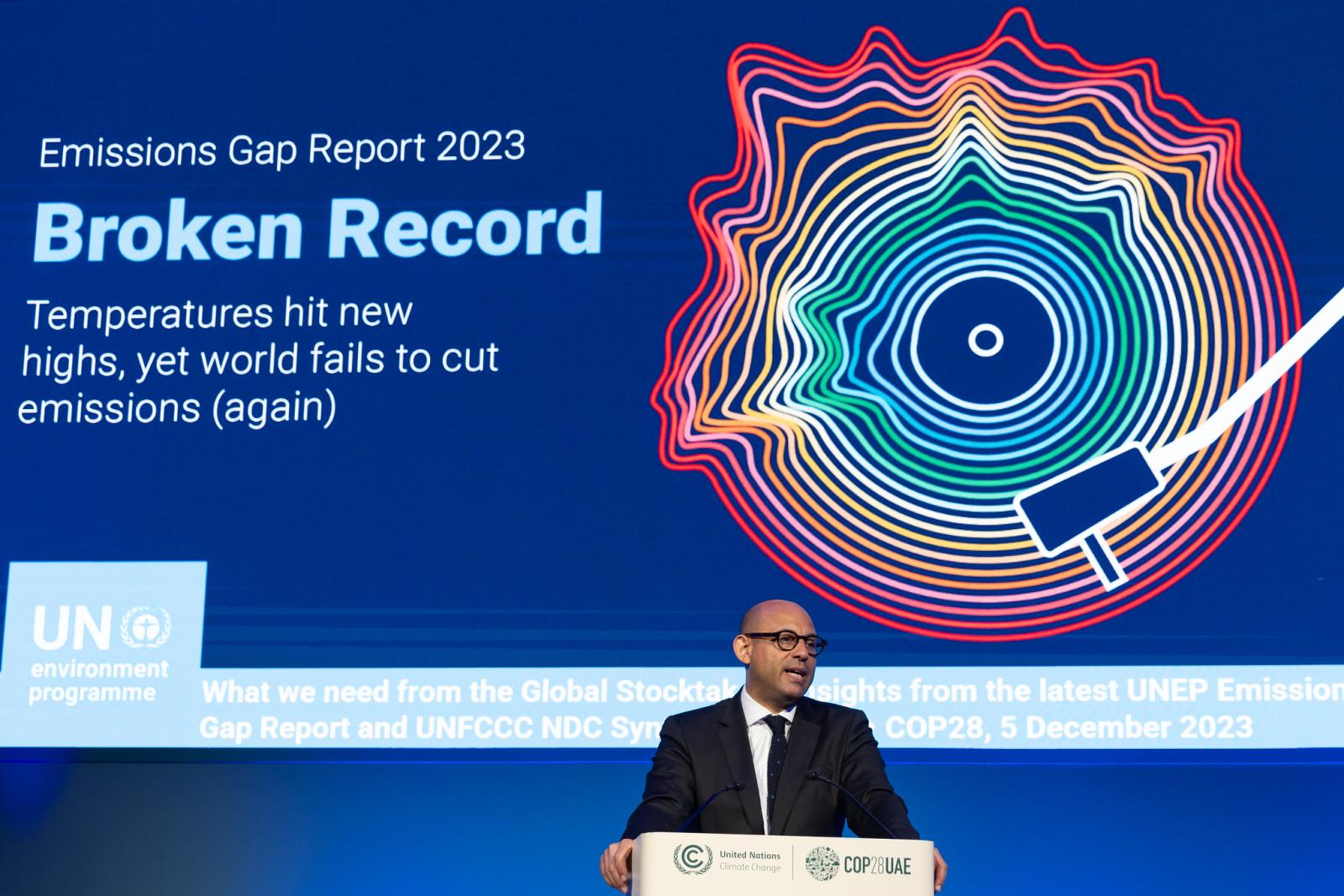
Is 1.5 degrees still a realistic goal?

Photo: Simon Stiell, Executive Secretary di UNFCCC (Source: UNclimatechange, CC BY-NC-SA 2.0 DEED)

Keep 1.5 within reach, "keep the 1.5 degrees within reach." This was the slogan with which COP28 opened, the United Nations conference on climate change that just concluded in Dubai. The feasibility of this goal, however, now seems more uncertain than ever, even though many considered this aim too ambitious from the outset.

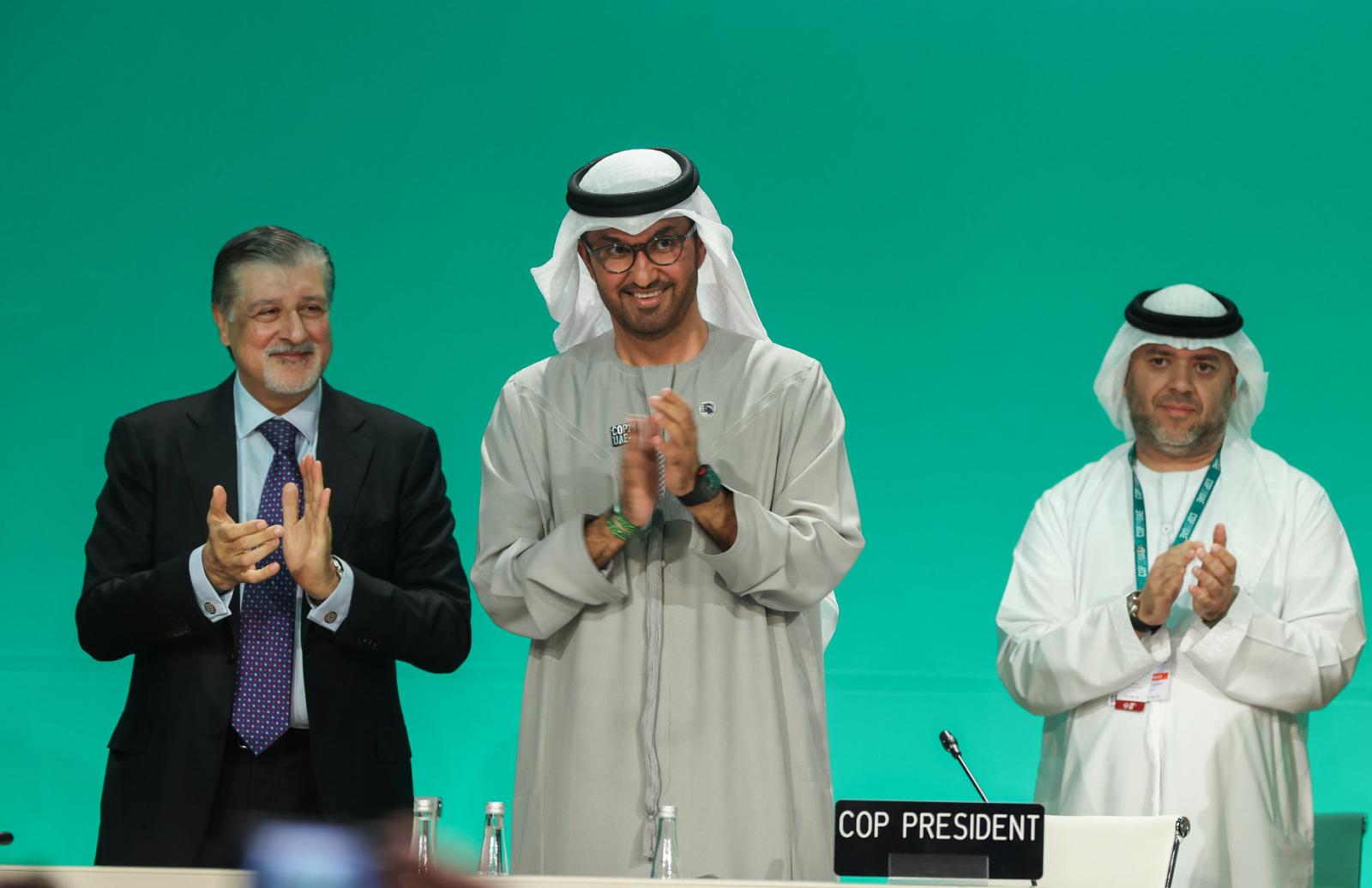
COP28: It's Up to the Oil Tycoon to Say Goodbye to Fossils

Source: UNFCCC.

It had to be an oil tycoon to say goodbye to fossils, like the smoker extinguishing his last cigarette and the alcoholic giving up the Negroni. And so it was: for the first time at a United Nations climate change Conference of the Parties, we declare in black and white our desire to abandon coal, gas, and oil. COP28 was held in Dubai, one of the countries most dependent on fossil fuels, and was coordinated by the extremely capable Sultan al-Jaber, president of the largest oil company, ADNOC.

Approved the law for the restoration of European nature, but it's a half victory

On November 9, the European Council approved the Nature Restoration Law, a regulation for the restoration of ecosystems. A much-hoped-for victory that leaves a bitter taste: the adopted regulation emerges from more than a year of negotiations that have significantly weakened it in substance. The risk is that the objectives lose their concreteness in implementation.

Crediti foto Boris Smokrovic su Unsplash

On November 9, the European Council, the body defining the EU's policy directions, approved the Nature Restoration Law, one of the four main pillars of the European biodiversity strategy for 2030. A great achievement, yet leaving a bit of bitterness, considering the approved regulation was significantly weakened compared to the original.

The Indi Gregory case: some questions for reflection

"The 'Indi Gregory Case' encompasses various levels of reflection (medical, ethical, legal, and political) that are interconnected but often confused in media debates. The philosopher of science and bioethicist Giovanni Boniolo analyzes them through a series of questions, the answers to which may also help us in similar cases that may arise in the future. Image: Twilight, by Dilma Freddi.

There has been, and continues to be, much talk about the "Indi Gregory Case." Indi was an eight-month-old baby suffering from a severe, and so far fatal, rare disease. More specifically, Indi was affected by D,L-2-hydroxyglutaric aciduria: a genetic disease with autosomal recessive inheritance caused by defects in the SLC25A1 gene.

Responsibility for the damages caused by climate change and attribution science

Disputes and legal actions concerning climate change are on the rise, as are those aimed at obtaining compensation for damages caused by specific atmospheric events from parties believed to be responsible. This is a result of the findings of attribution science, a discipline aimed at clarifying the causal relationship between the occurrence of extreme weather events and climate change.

Image credits: Markus Spiske on Unsplash

In an article from ten years ago, addressing the issue of climate litigations, the legal disputes concerning climate change, the author noted that most of them were brought against governments to introduce limits or controls on greenhouse gas emitting activities or against companies involved in their production (especially oil multinationals) to comply with existing regulations.

The embarrassing Covid

There's a certain discomfort in having to talk about Covid-19 again, as demanded by the increase in cases that is also recorded in Italy. The reason, writes epidemiologist Stefania Salmaso, might perhaps be identified in the lack of a transparent process that allows understanding on what basis the health authority formulates recommendations, leading to reliance on pundits.

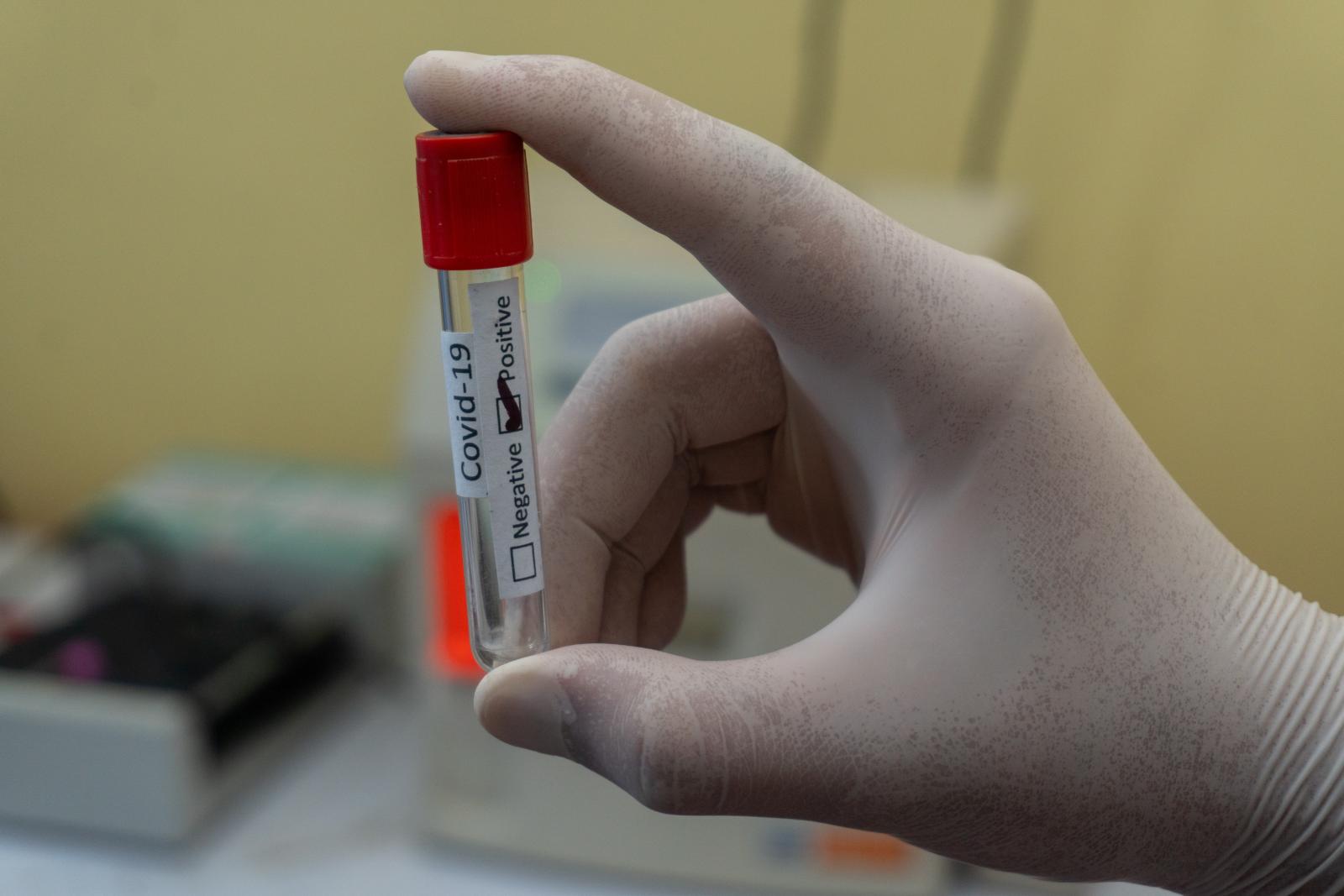
Image credits: visuals/Unsplash

“An embarrassing Covid-19”: It could be the title of a short story by Calvino or a rhyme by Rodari, but it's what we're witnessing these days. The increasing frequency of SARS-CoV-2 infections in various areas of the world, including Italy, has forced mainstream media to address it again. However, it's often discussed with a sort of embarrassment and only for the sake of reporting. When discussing possible countermeasures, the discomfort becomes even more apparent.

Neanderthal genes made Covid more severe

A primitive man with a spear, blazer and briefcase

The Origin study from the Mario Negri Institute has identified genetic variants from Neanderthals in the DNA of those who had the most severe form of the disease.

Image credits: Crawford Jolly/Unsplash

A small group of genes that we inherited from the Neanderthal man - and from his romantic relationships with our sapiens ancestors - exposes us today to the risk of developing severe Covid. This is the unique conclusion of the Origin study by the Mario Negri Institute, presented yesterday in Milan and published in the journal iScience.

We cannot archive Covid-19 yet

Coexistence with Covid-19 cannot yet be said to be stable, especially due to the great variability of SARS-CoV-2. For this reason, as the number of cases in Italy is increasing, it is necessary to limit the impact of infections by acting on two fronts, which are not alternatives to each other: reduce the share of people who have become partially susceptible and limit the likelihood of the emergence of new variants.

Image credits: Prasesh Shiwakoti (Lomash)/Unsplash

Several attempts have been made to archive Covid-19, trying to leave behind an experience worthy of the worst dystopian novel (about 770 million officially registered cases worldwide and an estimated 18 million deaths), but it seems that the anticipated "coexistence" with the family of viruses has not yet stabilized, and it will take several years to get there.