fbpx All | Science in the net

All

University Admissions and Talent in China: What Can Italy Learn?

Every year, millions of Chinese students take the Gaokao, an extremely tough exam that can change the course of a life. But what can this system teach us? Between intense pressure and paths to excellence, it offers a chance to reflect on the idea of merit in Italy as well.

Each year, over 12 million Chinese students sit for the Gaokao (高考), one of the most difficult and decisive university entrance exams in the world. This three-day test includes Chinese, Mathematics, English, and one elective subject from either the sciences or humanities. The maximum score varies by province, typically between 750 and 900, with the admission threshold for top universities exceeding 680–700 points. On average, fewer than 2% of students manage to get into elite institutions such as Peking University or Tsinghua University.


Karen Hallberg, on peace and science

Karen Hallberg

In a world marked by wars and global crises, the new Secretary General of Pugwash tells us about the challenges of disarmament and the value of scientific dialogue for peace (photo: Karen Hallberg, source Wikipedia).

Pugwash is the name of a Canadian fishing village and a commitment to peace. In July 1957, at the height of the Cold War, twenty-two scientists gathered here for the first Pugwash Conference on Science and World Affairs. The group was led by the mathematician and philosopher Bertrand Russell, who, two years earlier on 9 July 1955, presented the Russell and Einstein Manifesto in London's Caxton Hall. In this manifesto, the philosopher and physicist (who died in April but had signed it) called on the world to renounce war.

Europe’s Freedom of Research: €100 Billion for ReBrain Europe

Una rivisitazione dell'immagine dello zio Sam con la scritta "I want you" e il volto di Ursula von der Leyen

A European programme could attract a counter-exodus of scientific talent from the United States, revitalising our research institutions.

In the 1930s, the disastrous Nazi-fascist policies induced an unprecedented exodus of at least 15,000 intellectuals - scientists and artists, Jews and non-Jews - to the United States. See. e.g., the historical accounts in Adorno, Fleming, & Bailyn: The Intellectual Migration.

AI Agents as assistants in scientific research

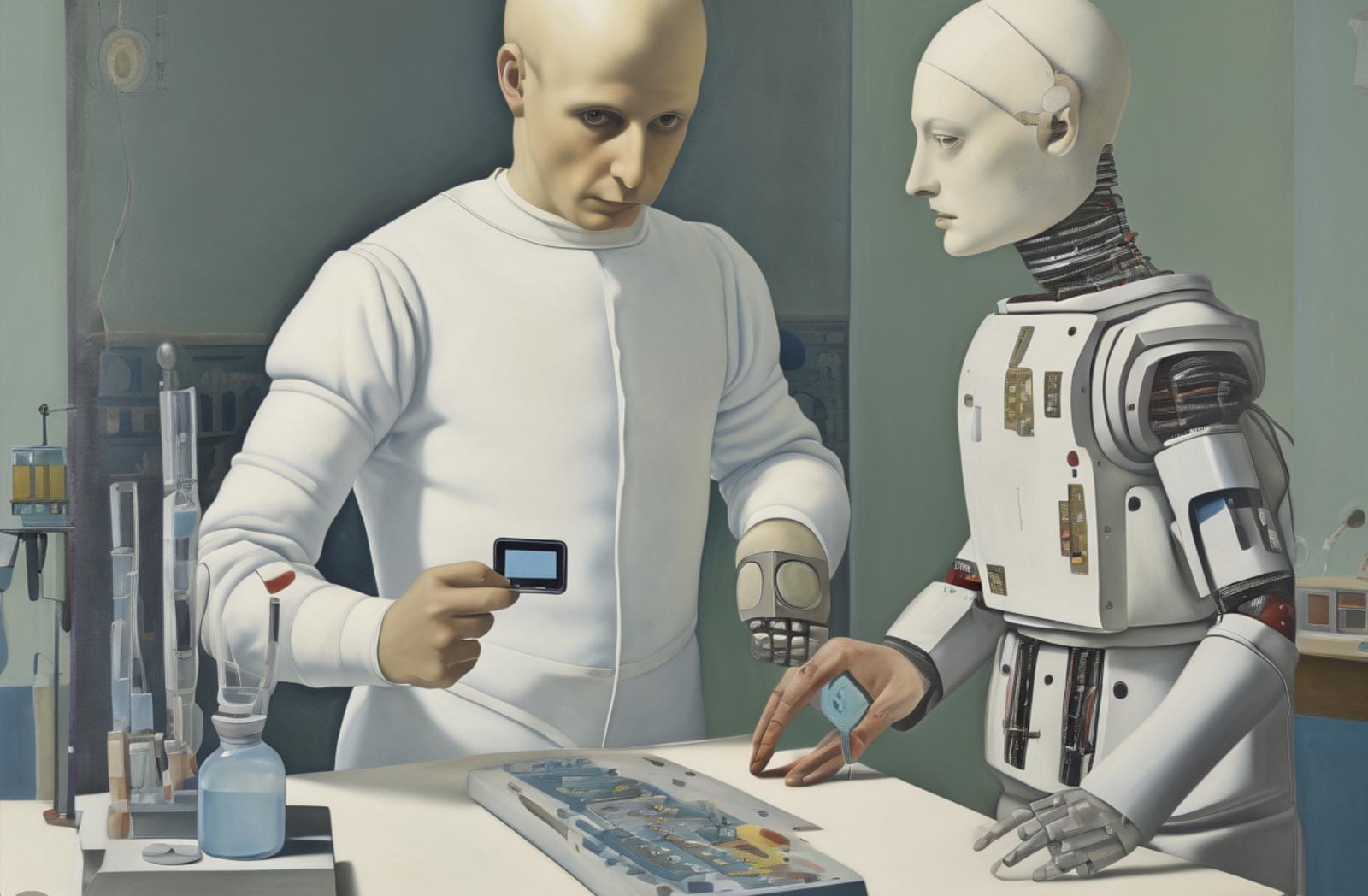
Imaginary portrait of a human researcher and their robot assistant

Researchers work with an increasing volume of scientific literature and ever more complex methodologies, and for this reason, they can rely on new support tools: Agent Laboratory, AgentRxiv, AI Scientist-v2, and Co-Scientist are AI-based systems designed to assist them in their work.

The landscape of contemporary scientific research presents several significant challenges. On one hand, the growing specialization requires increasingly vertical expertise, while on the other, the need for interdisciplinary studies demands the ability to navigate through different domains of knowledge. This paradox puts pressure on researchers, who must balance depth and breadth in their investigations.

President Trump reshapes US research landscape

trump

Con una serie di ordini esecutivi, Donald Trump smantella le politiche climatiche di Biden e ritira gli Stati Uniti dall'accordo di Parigi. Le agenzie federali scientifiche (EPA, NIH, CDC, FDA, NASA) vengono ristrutturate con nuove nomine orientate alla deregolamentazione. Vengono congelate le assunzioni federali, mentre la revisione delle collaborazioni internazionali potrebbe ridefinire il ruolo USA nella ricerca globale. Immagine: Donald Trump.

20 January 2025 marks a turning point in US science policy, with a series of executive orders drastically redefining the role of federal science and research agencies. A detailed analysis of the documents reveals an approach that fundamentally changes the basis of US climate, energy and biomedical research policy.

This comprehensive list shows the scope and breadth of the first day's interventions, which touch virtually every aspect of the federal government, from foreign policy to national security, from energy to immigration, from administrative reform to social policy.

The Log and the Speck: The True Causes of Wildfires and Floods

The Parable of the Speck and the Log. Ottmar Ellinger the Younger

The wildfires in Los Angeles and other extreme events, as well as their media coverage, highlight how immediate causes often overshadow the real issue: climate change, which increases the intensity and frequency of catastrophic phenomena. Tackling this crisis requires urgent action to reduce greenhouse gas emissions using already available technologies and investments to strengthen territorial resilience. Only a combination of mitigation and adaptation can prevent irreversible damage, ensuring a sustainable future for the next generations.

In the image: The Parable of the Speck and the Log. Ottmar Ellinger the Younger

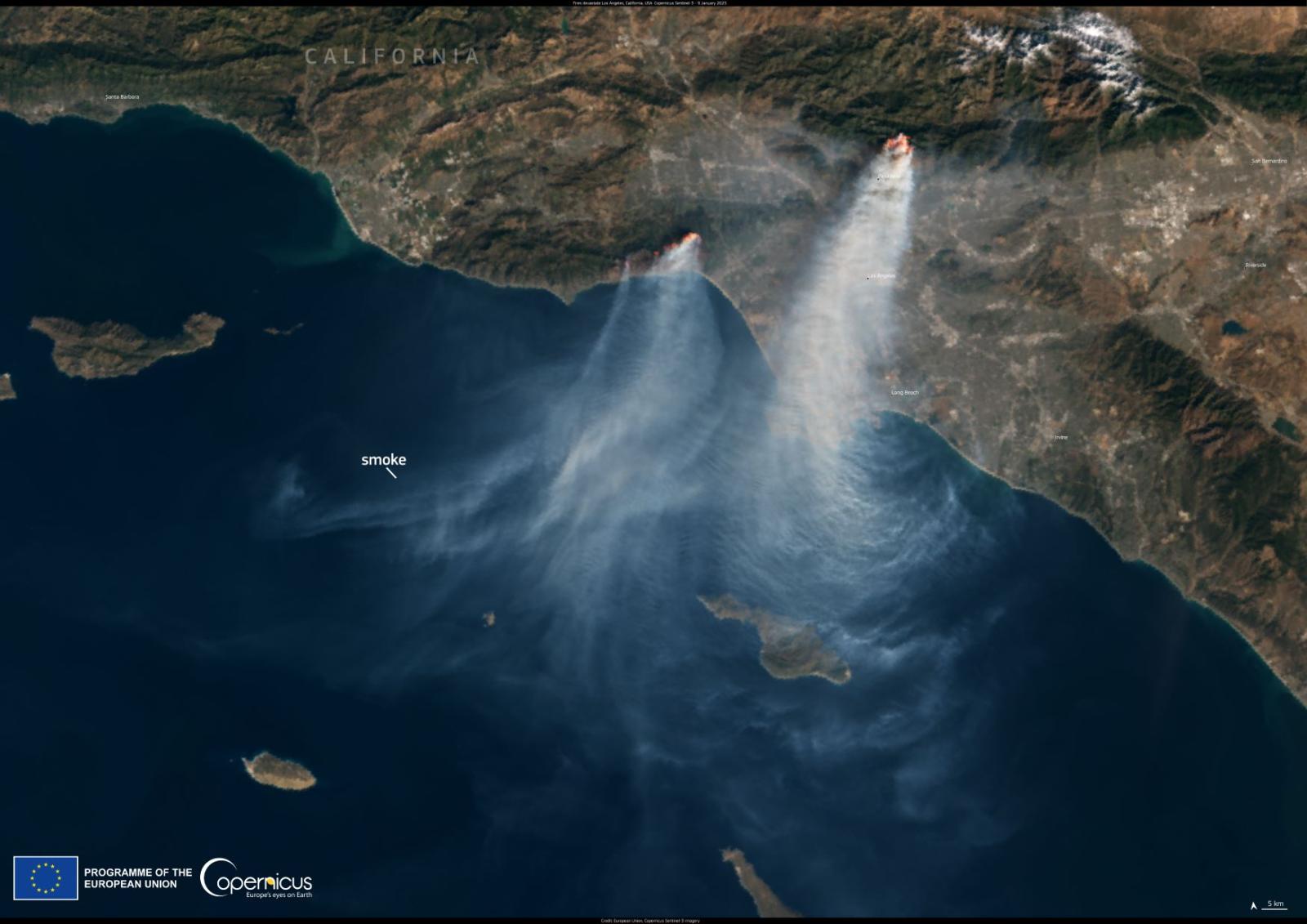
Even in the face of the vast Los Angeles wildfires—still ongoing—as in other recent circumstances, the media's attention is primarily focused on the most immediate and “proximal” causes: the malfunctioning of the power grid, insufficient water reserves, the unpreparedness of newly hired firefighters, and so on.

No, the wildfires in California are not "ideological"

Rampini from the Corriere includes a series of errors and inaccuracies to support the unbearable rhetoric of “ideology” in the ecological transition and even in climate physics. Contrary to what he claims, the probability and intensity of wildfires are increasing due to the very "human" climate changes. Of course, solutions also involve proper management of vegetation and infrastructure, but this should not overshadow the goal of achieving net-zero emissions. Especially after 2024, which for the first time surpassed an average temperature of 1.5°C.

This topic is also addressed in the guide Extreme Weather Events and Climate Change: A Guide for Journalists, which the Climate Media Center Italia has translated into Italian from the original by World Weather Attribution.

Image: California wildfires photographed by the European Union, Copernicus Sentinel-3 imagery

Federico Rampini continues his battle against the “ideologies” of ecological transition.

Discovered a New Carbon-Carbon Chemical Bond

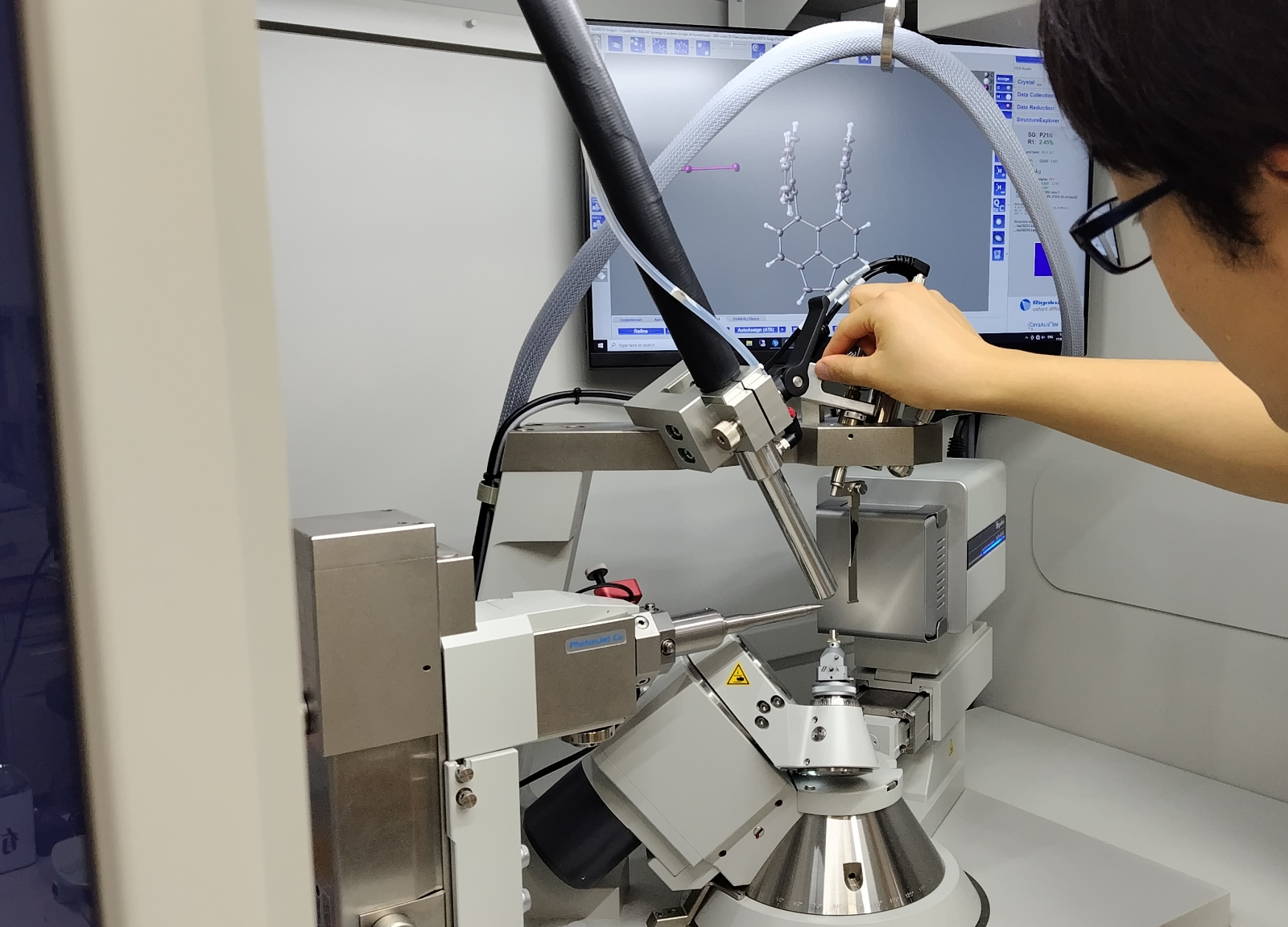
A group of researchers from Hokkaido University has provided the first experimental evidence of the existence of a new type of chemical bond: the single-electron covalent bond, theorized by Linus Pauling in 1931 but never verified until now. Using derivatives of hexaarylethane (HPE), the scientists were able to stabilize this unusual bond between two carbon atoms and study it with spectroscopic techniques and X-ray diffraction. This discovery opens new perspectives in understanding bond chemistry and could lead to the development of new materials with innovative applications.

In the cover image: study of the sigma bond with X-ray diffraction. Credits: Yusuke Ishigaki

After nearly a year of review, on September 25, a study was published in Nature that has sparked a lot of discussion, especially among chemists. A group of researchers from Hokkaido University synthesized a molecule that experimentally demonstrated the existence of a new type of chemical bond, something that does not happen very often.

Why have neural networks won the Nobel Prizes in Physics and Chemistry?

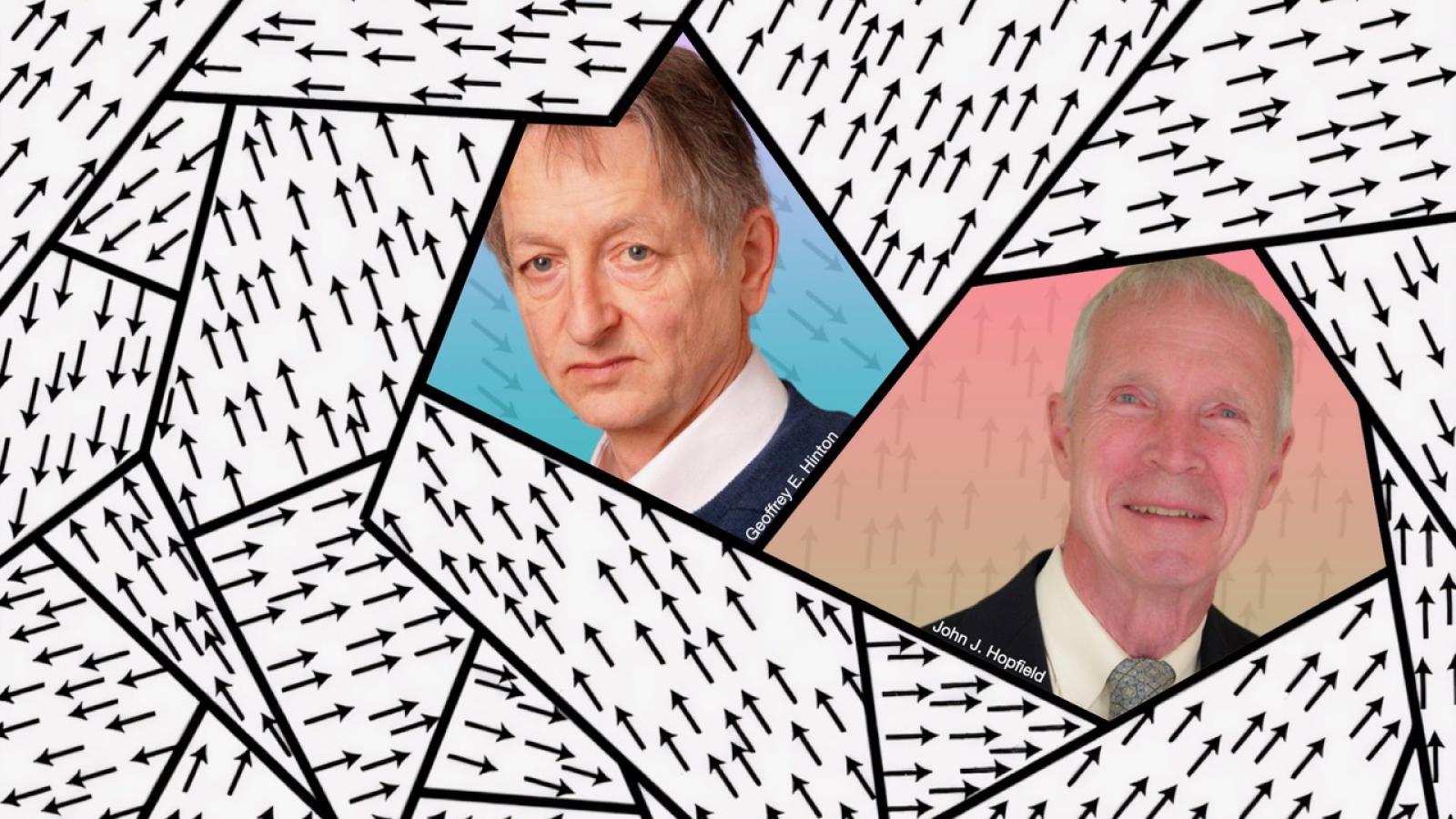
This year, Artificial Intelligence played a leading role in the Nobel Prizes for Physics and Chemistry. More specifically, it would be better to say machine learning and neural networks, thanks to whose development we now have systems ranging from image recognition to generative AI like Chat-GPT. In this article, Chiara Sabelli tells the story of the research that led physicist and biologist John J. Hopfield and computer scientist and neuroscientist Geoffrey Hinton to lay the foundations of current machine learning.

Image modified from the article "Biohybrid and Bioinspired Magnetic Microswimmers" https://onlinelibrary.wiley.com/doi/epdf/10.1002/smll.201704374

The 2024 Nobel Prize in Physics was awarded to John J. Hopfield, an American physicist and biologist from Princeton University, and to Geoffrey Hinton, a British computer scientist and neuroscientist from the University of Toronto, for utilizing tools from statistical physics in the development of methods underlying today's powerful machine learning technologies.

Why science cannot prove the existence of God

The demonstration of God's existence on scientific and mathematical grounds is a topic that, after captivating thinkers like Anselm and Gödel, reappears in the recent book by Bolloré and Bonnassies. However, the book makes a completely inadequate use of science and falls into the logical error common to all arguments in support of so-called "intelligent design."

In the image: detail from *The Creation of Adam* by Michelangelo. Credits: Wikimedia Commons. License: public domain

The demonstration of God's existence on rational grounds is a subject tackled by intellectual giants, from Anselm of Canterbury to Gödel, including Thomas Aquinas, Descartes, Leibniz, and Kant. However, as is well known, these arguments are not conclusive. It is not surprising, then, that this old problem, evidently poorly posed, periodically resurfaces.