
fbpx Le signore della savana | Page 6 | Science in the net

Le signore della savana

Primary tabs

Read time: 1 min

Se vi dovessero chiedere qual è l'animale più importante nell'influenzare l'ecosistema della savana africana non pensate ai feroci predatori o ai voraci erbivori che la popolano. Un recente studio, infatti, punta il dito sulle termiti.

Nella loro ricerca, pubblicata su PloS Biology, Robert M. Pringle (Harvard University) e i suoi collaboratori hanno analizzato l'impatto che la distribuzione delle popolazioni di termiti e delle loro costruzioni hanno nell'ecosistema della savana africana. Grazie a dettagliate osservazioni anche satellitari, i ricercatori hanno potuto dedurre che la posizione dei termitai coincide con notevoli abbondanze di piante e animali (insetti e loro predatori).

Ciascun termitaio, insomma, favorisce lo sbocciare di una densa aggregazione di flora e fauna. Complici gli elevati livelli di sostanze nutritive (fosforo e azoto), gli alberi crescono più rapidamente in prossimità del termitaio e con essi la popolazione animale. Questa abbondanza di insetti e di biomasse, poi, decresce man mano ci si allontana.

La distribuzione altamente regolare dei termitai costituisce dunque una sorta di rete di fertilità estremamente efficiente che incrementa notevolmente i livelli produttivi dell'ecosistema della savana.
Harvard University

Autori: 
Sezioni: 
Luoghi: 
Biologia

prossimo articolo

The Log and the Speck: The True Causes of Wildfires and Floods

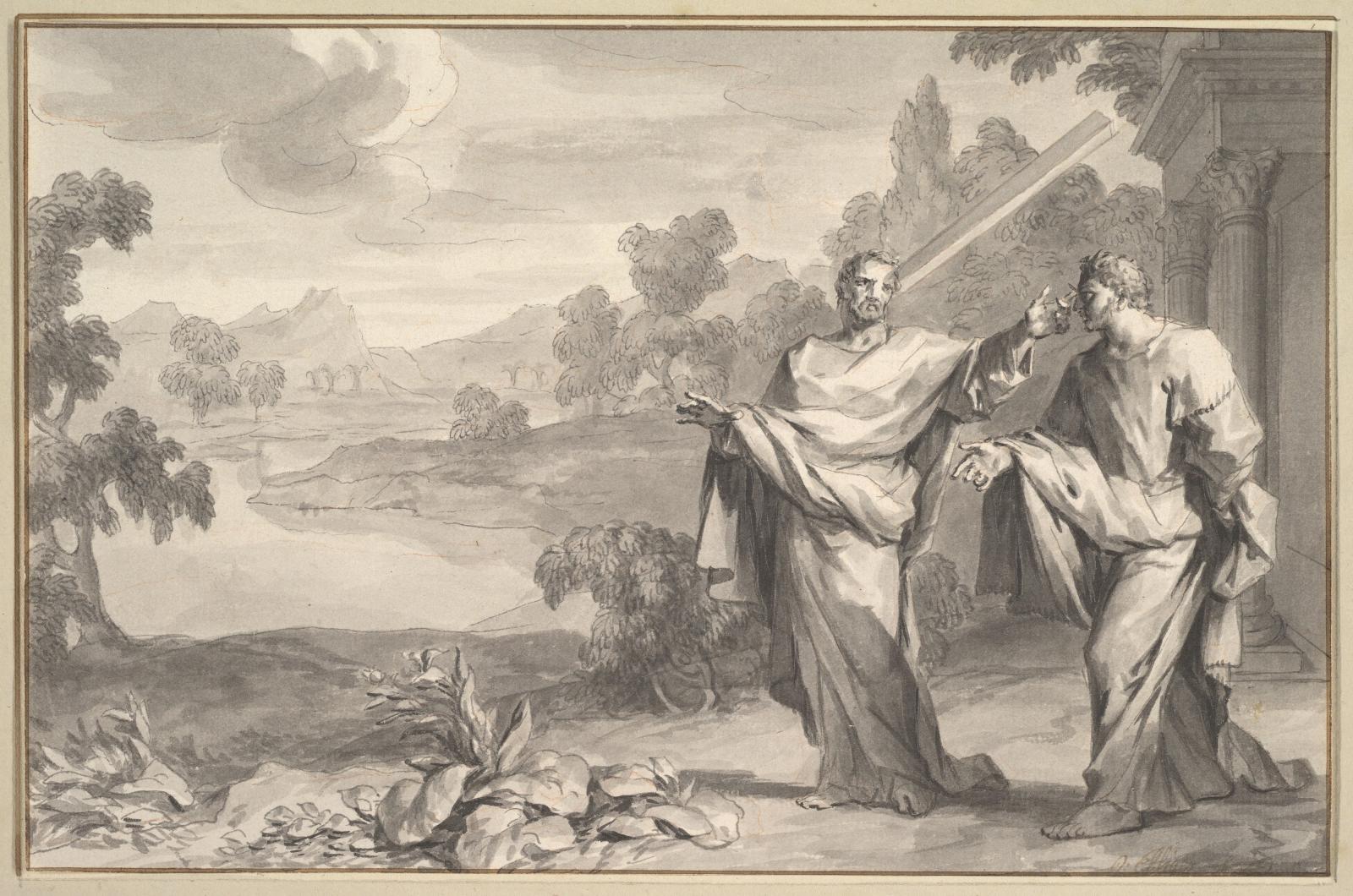
The Parable of the Speck and the Log. Ottmar Ellinger the Younger

The wildfires in Los Angeles and other extreme events, as well as their media coverage, highlight how immediate causes often overshadow the real issue: climate change, which increases the intensity and frequency of catastrophic phenomena. Tackling this crisis requires urgent action to reduce greenhouse gas emissions using already available technologies and investments to strengthen territorial resilience. Only a combination of mitigation and adaptation can prevent irreversible damage, ensuring a sustainable future for the next generations.

In the image: The Parable of the Speck and the Log. Ottmar Ellinger the Younger

Even in the face of the vast Los Angeles wildfires—still ongoing—as in other recent circumstances, the media's attention is primarily focused on the most immediate and “proximal” causes: the malfunctioning of the power grid, insufficient water reserves, the unpreparedness of newly hired firefighters, and so on.