





fbpx Consenso nella scienza del clima: il caso IPCC | Scienza in rete

Come si forma il consenso nella scienza del clima: il caso dell'IPCC

Primary tabs

--
Tempo di lettura: 1 min

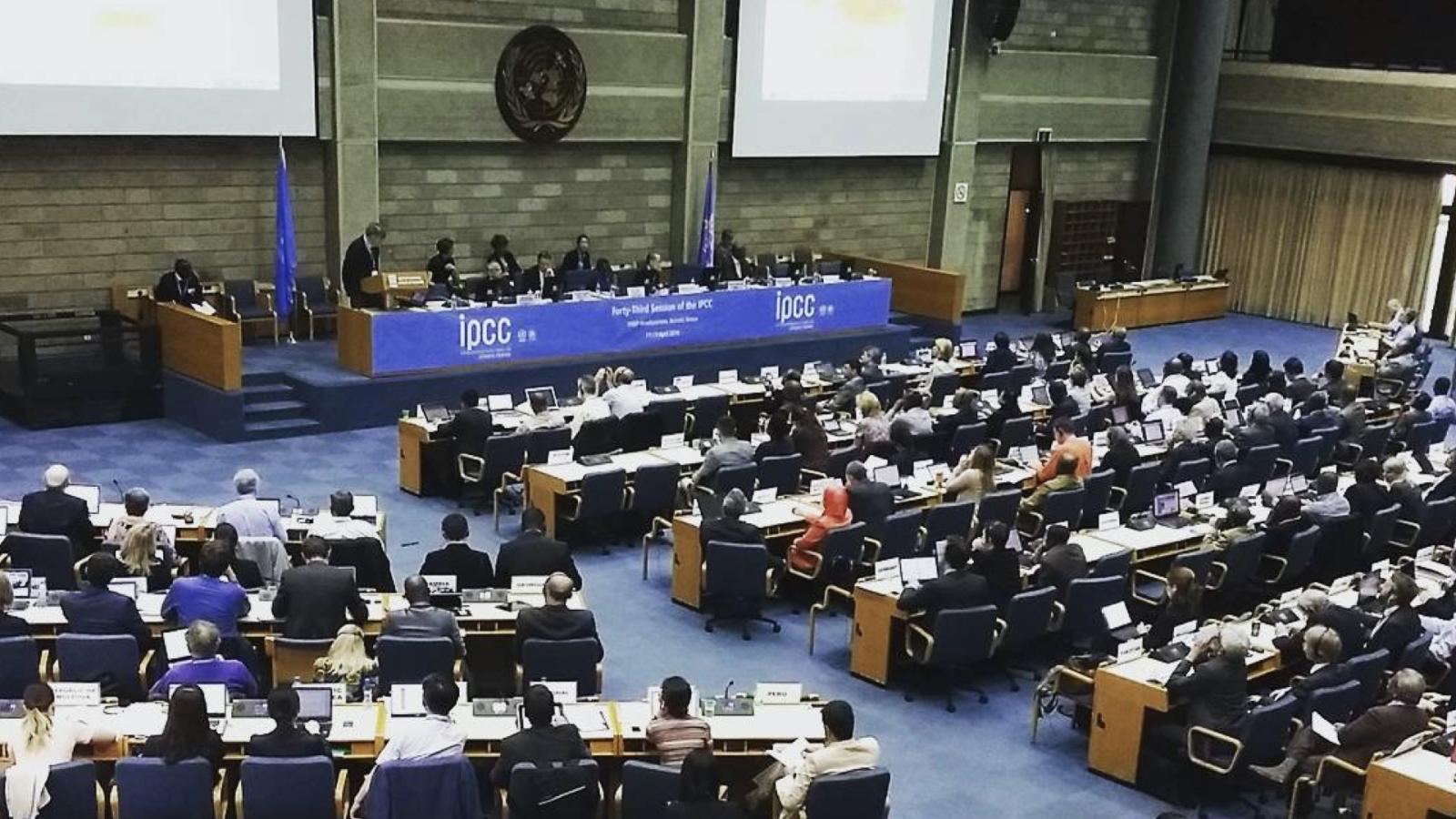
Partendo dal caso dell’IPCC cercheremo di capire come si forma il consenso tra esperti all'interno della scienza del clima e quali siano i suoi risvolti comunicativi e politici. Lo facciamo insiema a Sandro Fuzzi, associato di Ricerca dell’Istituto di Scienze dell’Atmosfera e del Clima del Consiglio Nazionale delle Ricerche (CNR) di Bologna e Antonio Navarra, presidente del CMCC (il Centro Euro-Mediterraneo sui Cambiamenti Climatici) e professore ordinario all’Università di Bologna presso il Dipartimento di Scienze biologiche, geologiche e ambientali.

Interviste e montaggio: Benjamin Cucchi. Sigla: Jacopo Mengarelli.
Fonti e crediti
The Consensus Handbook. Why the scientific consensus on climate change is important, John Cook, Sander van der Linden, Edward Maibach e Stephan Lewandowsky
The sound of skeptics, Jeremy Hoffman
The Evolution of Communicating the Uncertainty of Climate Change to Policymakers. A Study of IPCC Synthesis Reports, Tomas Molin e Ernest Abadal
Reliable Knowledge. An Exploration of the Grounds for Belief in Science, John Ziman
Tried to tell you, The Weather Station
Climate Change Debate: Last Week Tonight with John Oliver
Climate Quest, Earth Games
Deal: A Green New Election, Earth Games
Is the IPCC Government Approval Process Broken?, Robert Stavin
IPCC authors discuss how science meets politics in the latest summary for policymakers, Roz Pidcock
The tragedy of climate change science, Bruce Glavovic, Timothy Smith e Iain White




Scienza in rete è un giornale senza pubblicità e aperto a tutti per garantire l’indipendenza dell’informazione e il diritto universale alla cittadinanza scientifica. Contribuisci a dar voce alla ricerca sostenendo Scienza in rete. In questo modo, potrai entrare a far parte della nostra comunità e condividere il nostro percorso. Clicca sul pulsante e scegli liberamente quanto donare! Anche una piccola somma è importante. Se vuoi fare una donazione ricorrente, ci consenti di programmare meglio il nostro lavoro e resti comunque libero di interromperla quando credi.


prossimo articolo

University Admissions and Talent in China: What Can Italy Learn?

Every year, millions of Chinese students take the Gaokao, an extremely tough exam that can change the course of a life. But what can this system teach us? Between intense pressure and paths to excellence, it offers a chance to reflect on the idea of merit in Italy as well.

Each year, over 12 million Chinese students sit for the Gaokao (高考), one of the most difficult and decisive university entrance exams in the world. This three-day test includes Chinese, Mathematics, English, and one elective subject from either the sciences or humanities. The maximum score varies by province, typically between 750 and 900, with the admission threshold for top universities exceeding 680–700 points. On average, fewer than 2% of students manage to get into elite institutions such as Peking University or Tsinghua University.