
Le previsioni sul riscaldamento globale sono state finora troppo ottimistiche. Lo ha dichiarato Chris Field, dell'Intergovernmental Panel on Climate Change, premio Nobel 2007 insieme con Al Gore. Il riscaldamento stesso infatti può innescare un circolo vizioso favorendo a sua volta la liberazione di anidride carbonica nell'atmosfera. Prima di tutto a partire dai grandi incendi che si potrebbero verificare per autocombustione nelle foreste tropicali, sommandosi ai danni della deforestazione. Il cambiamento nei venti sull'oceano che circonda l'Antartide potrebbero inoltre far risalire in superficie l'acqua più ricca di CO2 che si trova sul fondo, rilasciandola a contatto con l'atmosfera. Ma l'effetto più clamoroso potrebbe venire dallo scioglimento del permafrost della tundra artica, con la decomposizione del materiale organico intrappolato lì sotto da decine di migliaia di anni. Un serbatoio che si calcola conterrebbe fino a 1.000 miliardi di tonnellate di carbonio.
E' scientifico essere pessimisti
CLIMA
prossimo articolo
Oppenheimer, a film that equally addresses science and ethics
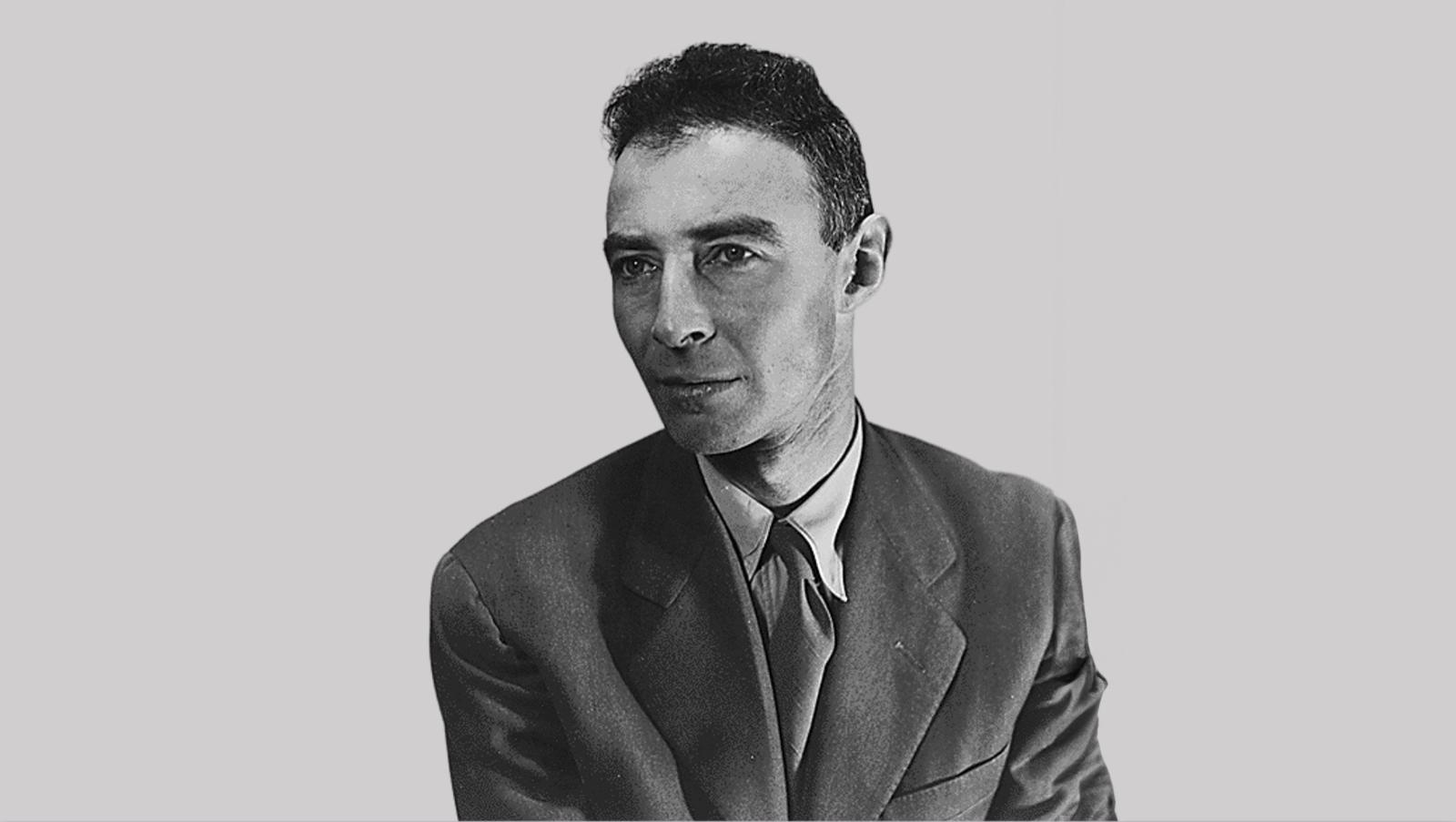
The story of the physicist Robert Oppenheimer is a controversial one, filled with both highlights and shadows. Although it has already been the subject of numerous biographies, it is now the focus of the eponymous film directed by Christopher Nolan. Fabio Terragni reviews it for 'Scienza in rete'.
It's true: Robert Oppenheimer didn't "invent" the atomic bomb. The most tragic achievement of 20th-century science and technology was the result of the first example of Big Science: the Manhattan Project, an unprecedented effort by the American government to outpace Nazi Germany, which cost over two billion dollars and involved tens of thousands of top-tier physicists, engineers, and technicians.