
fbpx Il Nobel di lunga vita | Page 23 | Science in the net

Il Nobel di lunga vita

Read time: 1 min

Il premio Nobel assegnato a Elizabeth Blackburn, Carol Greider e Jack Szostak non è solo un riconoscimento a chi ha socchiuso la porta a una maggiore longevità, se non proprio all'immortalità, della specie umana. La scoperta del ruolo dei telomeri nell'invecchiamento cellulare e della telomerasi, l'enzima che li conserva nella loro integrità, apre la strada a molte altre importanti applicazioni cliniche, nel campo della terapia dei tumori o di altre patologie, come l'anemia aplastica. E' questa una prova di quali grandi ripercussioni possa avere una ricerca esclusivamente "curiosity driven", come ha dichiarato Greider, e implicitamente quindi anche un invito a sostenere quelle branche della scienza, apparentemente prive di immediate ricadute pratiche, che però allargano il campo delle conoscenze a imprevedibili applicazioni future.

Assegnazione del premio Nobel per la medicina, 5 ottobre 2009
Autori: 
Sezioni: 
Nobel

prossimo articolo

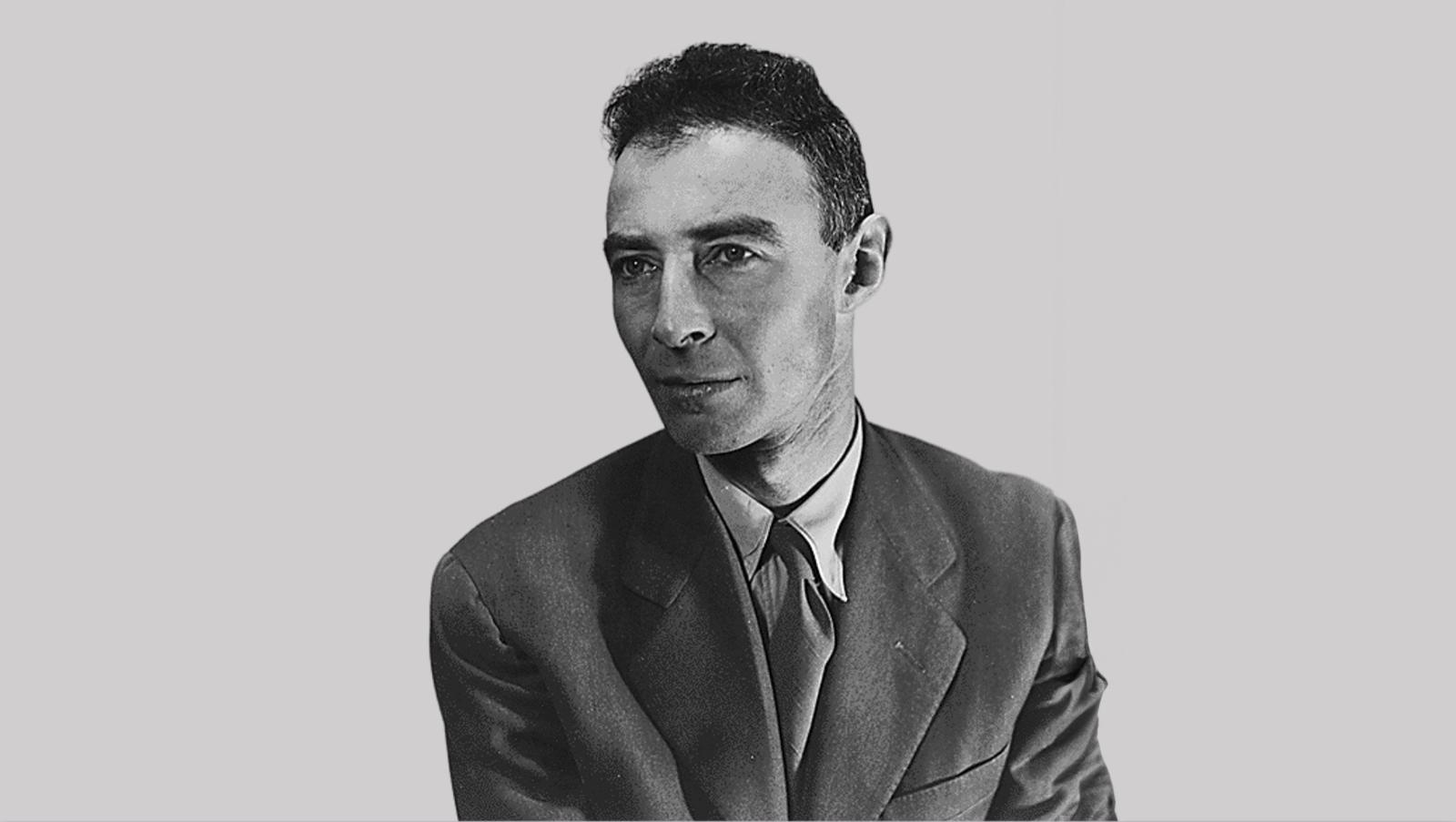
Oppenheimer, a film that equally addresses science and ethics

The story of the physicist Robert Oppenheimer is a controversial one, filled with both highlights and shadows. Although it has already been the subject of numerous biographies, it is now the focus of the eponymous film directed by Christopher Nolan. Fabio Terragni reviews it for 'Scienza in rete'.

It's true: Robert Oppenheimer didn't "invent" the atomic bomb. The most tragic achievement of 20th-century science and technology was the result of the first example of Big Science: the Manhattan Project, an unprecedented effort by the American government to outpace Nazi Germany, which cost over two billion dollars and involved tens of thousands of top-tier physicists, engineers, and technicians.