fbpx Discover a wealth of NASA information on your phone | Science in the net

Discover a wealth of NASA information on your phone

Primary tabs

Read time: 1 min

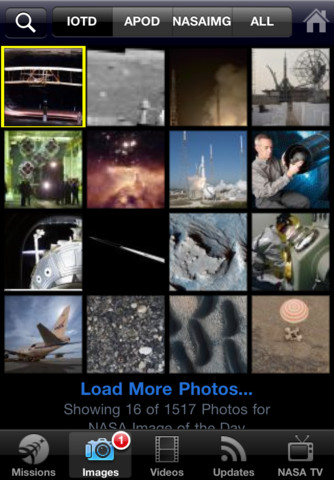
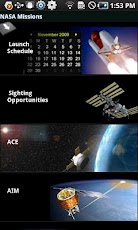
The NASA App collects, customizes and delivers an extensive selection of dynamically updated mission information, images and videos and Twitter feeds from various online NASA sources in a mobile package.
WiFi, 3G or Edge network connection required.

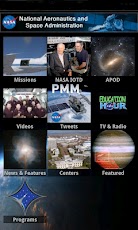
NASA app for iPhone 

[video:http://www.youtube.com/watch?v=clhEHnEtGtU]
Nasa app 1 Nasa app 2

NASA app for ANDROID

[video:http://www.youtube.com/watch?v=V7MIOgiTVZA]
Nasa app android 1 Nasa app android 3 Nasa app android 2 Nasa app android 4

NASA app HD for iPad

[video:http://www.youtube.com/watch?v=VAs8gbb3vR4]

Nasa app iPad

Frequently Asked Questions

Another (new) app from NASA to be considered is the Meteor Counter.

[video:http://www.youtube.com/watch?v=etEIBjh2dKg]

NASA is looking to skywatchers for help studying incoming objects. While giving users information about meteor showers, the app can send info back to NASA about the brightness and location of shooting stars (only for Apple users). 

Scienza in rete è un giornale senza pubblicità e aperto a tutti per garantire l’indipendenza dell’informazione e il diritto universale alla cittadinanza scientifica. Contribuisci a dar voce alla ricerca sostenendo Scienza in rete. In questo modo, potrai entrare a far parte della nostra comunità e condividere il nostro percorso. Clicca sul pulsante e scegli liberamente quanto donare! Anche una piccola somma è importante. Se vuoi fare una donazione ricorrente, ci consenti di programmare meglio il nostro lavoro e resti comunque libero di interromperla quando credi.


prossimo articolo

Carnivorous plants can be a source of inspiration for new materials

Drosera capensis. Wikimedia.

Carnivorous plants can be a source of inspiration for new materials with specific mechanical properties, according to researchers from the Centre for Complexity and Biosystems (CC&B) of the University of Milan. In a paper recently published on PNAS– and selected for the journal’s cover –they analysed the mechanics by which one of these plants, Drosera capensis, folds its leaves around insects trapped on their sticky surface in order to digest them.