
fbpx Challenging the crisis: ths IZSV’s example | Page 7 | Science in the net

Challenging the crisis: ths IZSV’s example

Read time: 1 min

The Istituto Zooprofilattico Sperimentale delle Venezie (IZSV) not only managed to balance the books but was also able to get a final budget for 2012, approved at the end of May, with a gain of more than two milions of euro. Such a result is no small thing, considering the difficult period that the public administration is dealing with. Two millions of euro represents almost 5 per cent of the whole production, with a profit similar to that of an industry.

This gain comes as a consequence of an increase in the activities (9%) and, most of all, of strict cost avoidance, with particular attention to the expenses due to personnel, non-healthcare goods and external collaborations. All these successes were the result of the industriousness of the whole staff and of a careful planning based on concrete criteria, following a course pursued by all the managing authorities within the IZSV.
Autori: 

prossimo articolo

No, the wildfires in California are not "ideological"

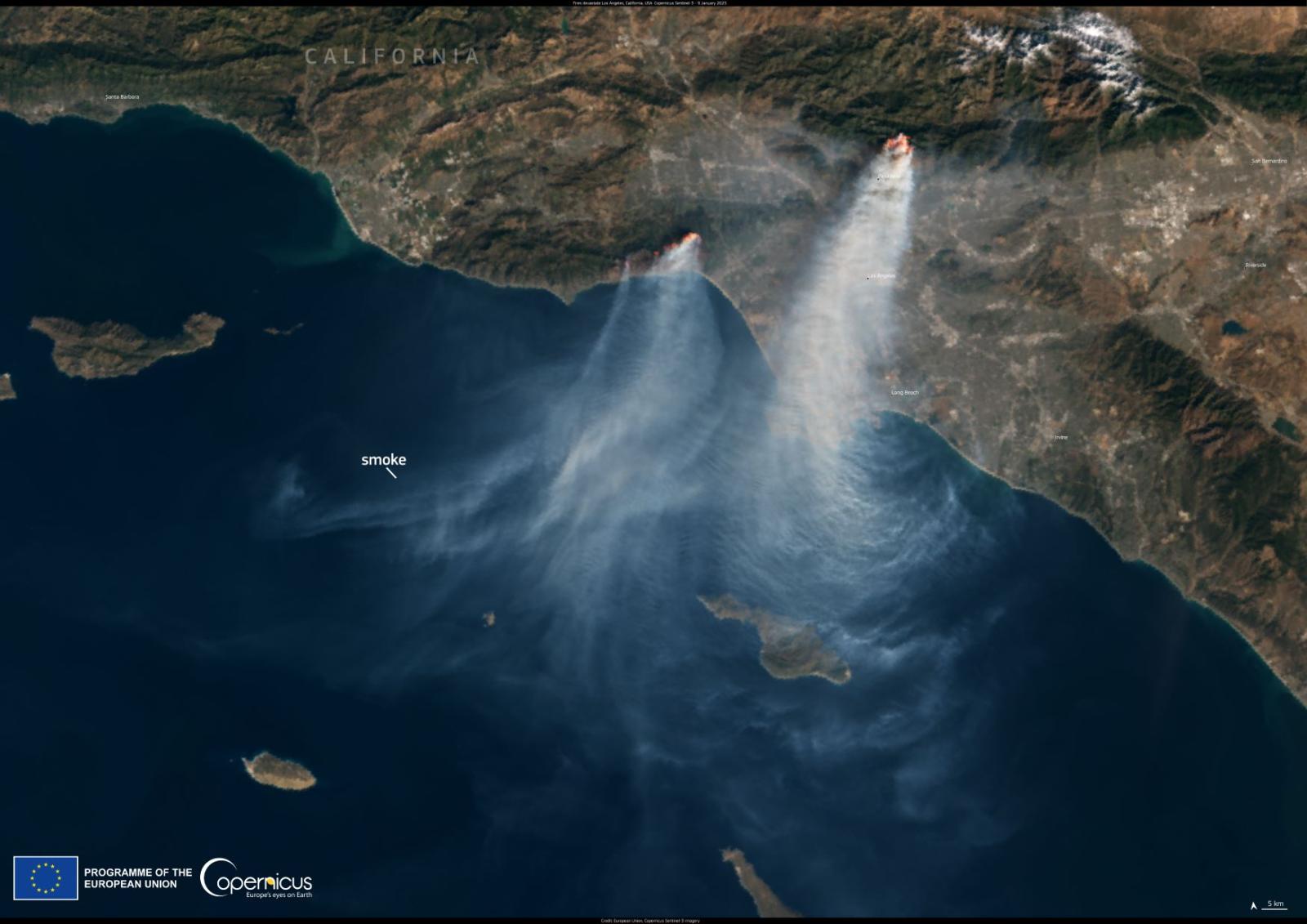
Rampini from the Corriere includes a series of errors and inaccuracies to support the unbearable rhetoric of “ideology” in the ecological transition and even in climate physics. Contrary to what he claims, the probability and intensity of wildfires are increasing due to the very "human" climate changes. Of course, solutions also involve proper management of vegetation and infrastructure, but this should not overshadow the goal of achieving net-zero emissions. Especially after 2024, which for the first time surpassed an average temperature of 1.5°C.

This topic is also addressed in the guide Extreme Weather Events and Climate Change: A Guide for Journalists, which the Climate Media Center Italia has translated into Italian from the original by World Weather Attribution.

Image: California wildfires photographed by the European Union, Copernicus Sentinel-3 imagery

Federico Rampini continues his battle against the “ideologies” of ecological transition.