
Cuore e polmoni seguono il ritmo della musica. Durante i crescendo o gli aumenti graduali di volume di un'opera lirica, soprattutto durante l'aria "Nessun dorma" della Turandot di Giacomo Puccini, si verifica una vasocostrizione cutanea, aumenta la frequenza cardiaca e sale la pressione arteriosa; anche l'ampiezza del respiro accompagna l'andamento della melodia. Lo ha dimostrato un ricercatore dell'Università di Pavia, che ha condotto la sua ricerca su 24 giovani di circa 25 anni, metà dei quali sono coristi esperti, mentre l'altra metà non ha particolare passione o conoscenza per la musica. «Oltre alla misurazione dei parametri cardiovascolari e respiratori» ha spiegato lo studioso italiano, «abbiamo chiesto ai partecipanti di valutare in una scala da uno a cinque il grado di emozione suscitato dalla musica e quanto era nuova o piacevole per loro». Ebbene, alle risposte misurate con l'elettrocardiogramma e gli altri strumenti non corrispondeva affatto un coinvolgimento emotivo, che in genere è risultato basso o assente. «Ora vogliamo ripetere l'esperimento su un gruppo di ultrasettantenni» promette Bernardi, «cimentandoli anche con pezzi di musica rock».
La musica nel cuore
Primary tabs
prossimo articolo
My Portrait of Anthony Fauci
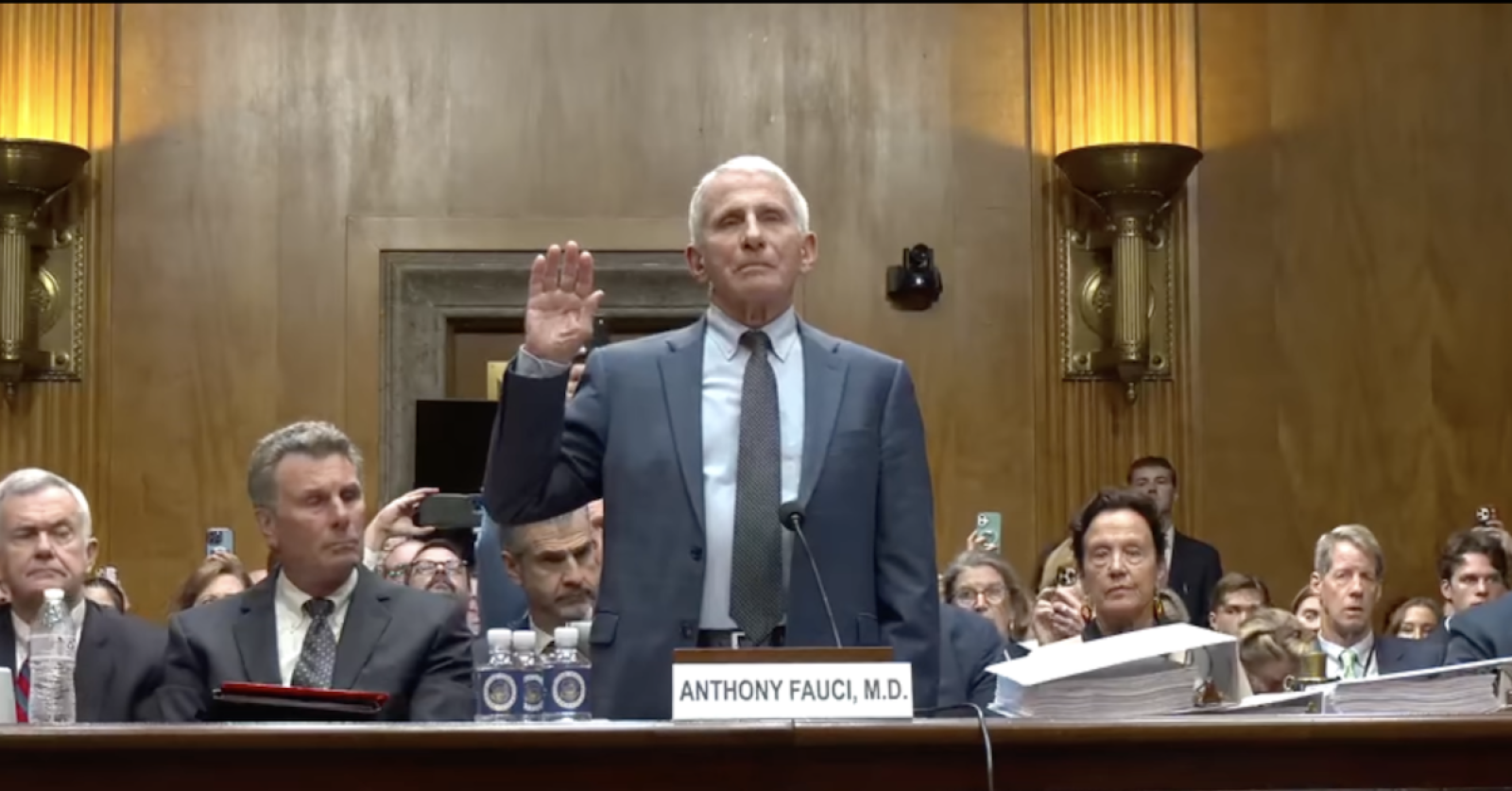
Anthony Fauci, at 85, has been called to testify before the Senate committee investigating the origins of the Covid-19 pandemic, in what feels like a settling of scores by the very party that, at the time, was recommending chloroquine as a defence. The eminent physician is once again at the centre of controversy, not least for choosing to invoke the Fifth Amendment rather than answer questions. Guido Poli, immunologist at the San Raffaele Hospital and president of Patto Trasversale per la Scienza, who worked with him for many years, recalls in this article Tony Fauci's battles in the history of American and international public health, from AIDS to the pandemic. The image is taken from the footage (public domain) of A. Fauci's hearing on 29 July 2026 before the Senate Homeland Security and Governmental Affairs Committee.
In recent days, Anthony (“Tony”) Fauci has once again become a prominent figure in the international media, and to some extent in Italy as well. As the physician-scientist who has played one of the leading roles in U.S. public health over the past several decades, he became known throughout the world during the darkest days of the COVID-19 pandemic. Having had the privilege and good fortune to work with him from 1986 to 1993, I would like to offer my personal account of the scientist and the man.