



fbpx Impatti, modelli e tecnologia per capire la COP26 di Glasgow | Scienza in rete

Impatti, modelli e tecnologia per capire la COP26 di Glasgow

Primary tabs

--
Tempo di lettura: 1 min

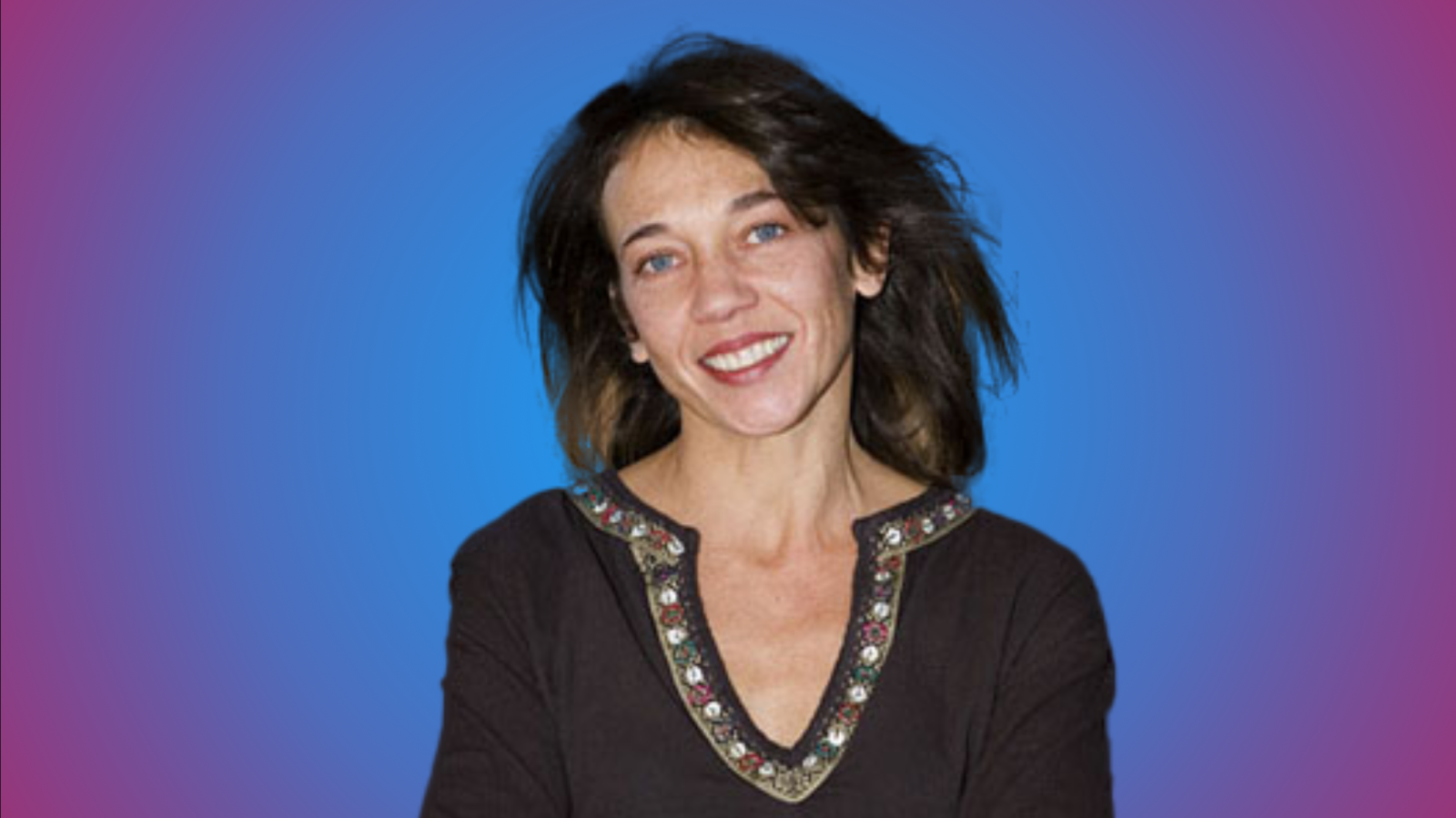
Per capire la portata dei negoziati della COP26 di Glasgow, che entrano ora nella seconda settimana, è necessario riflettere quanto superare la soglie di 1,5°C o di 2°C possa generare punti di non ritorno o meno nel nostro sistema climatico, ma anche quanto i modelli climatici possano aiutare per pianificare azioni di mitigazione e adattamento e, infine, che ruolo hanno le nuove tecnologie in tutto questo. Ne abbiamo parlato con Claudia Tebaldi, statistica al Joint Global Change Research Institute (PNNL), collaboratrice di Climate Central, e autrice principale del primo volume del sesto rapporto IPCC uscito in estate.
Voci Claudia Tebaldi, Jacopo Mengarelli, Chiara Sabelli. Musica Jacopo Mengarelli. Produzione Sergio Cima, Jacopo Mengarelli.
Fonti
IPCC, AR6 Climate Change 2021: The Physical Science Basis: https://www.ipcc.ch/report/ar6/wg1/
UN Climate Change: https://www.youtube.com/channel/UCuLEr-GWiwCBB6zBDX3elOQ
Palazzo Chigi: https://www.youtube.com/channel/UCp8W1bzofvzB8MfZSkYW2xw

Scienza in rete è un giornale senza pubblicità e aperto a tutti per garantire l’indipendenza dell’informazione e il diritto universale alla cittadinanza scientifica. Contribuisci a dar voce alla ricerca sostenendo Scienza in rete. In questo modo, potrai entrare a far parte della nostra comunità e condividere il nostro percorso. Clicca sul pulsante e scegli liberamente quanto donare! Anche una piccola somma è importante. Se vuoi fare una donazione ricorrente, ci consenti di programmare meglio il nostro lavoro e resti comunque libero di interromperla quando credi.


prossimo articolo

My Portrait of Anthony Fauci

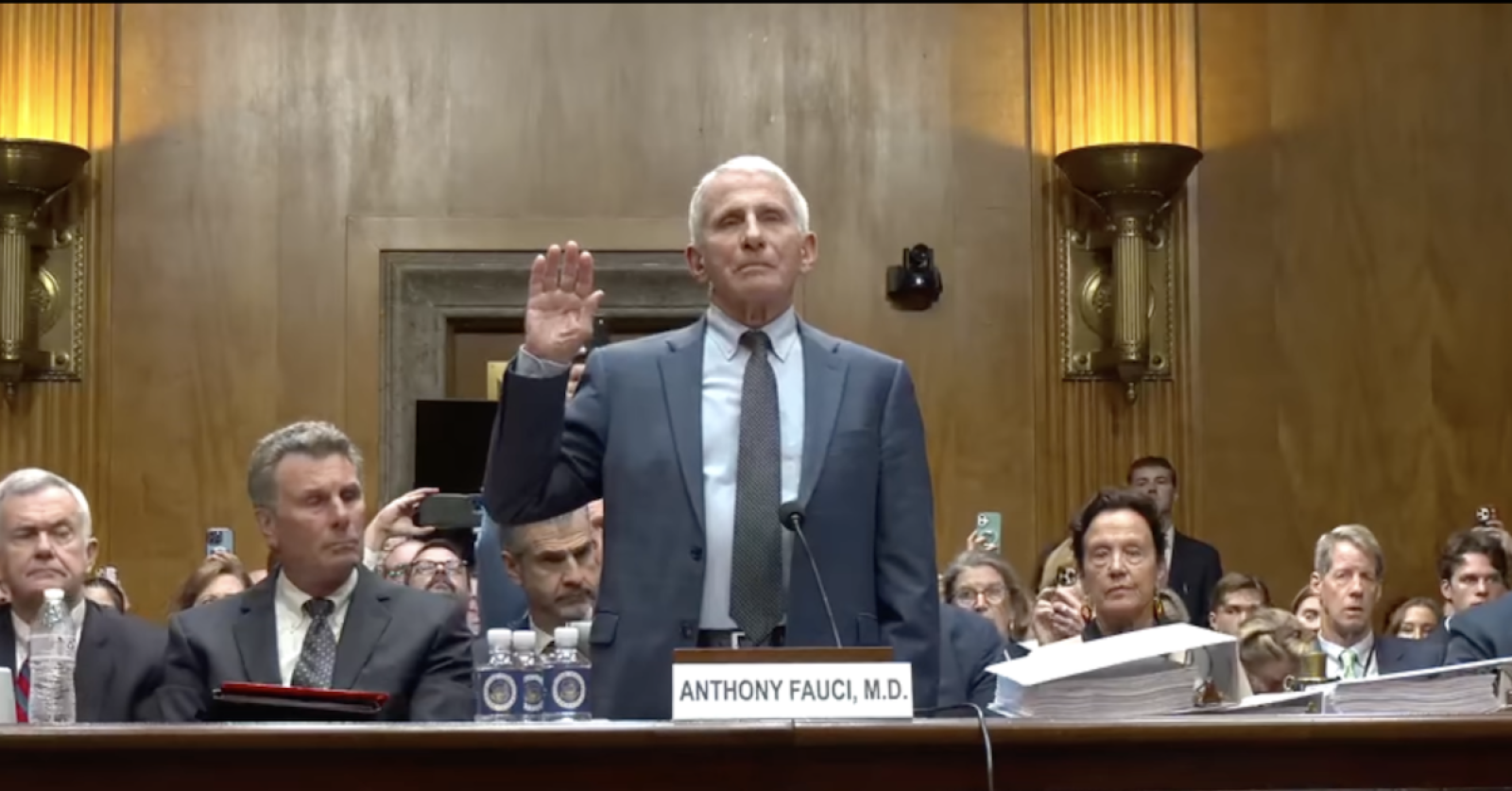
Anthony Fauci, at 85, has been called to testify before the Senate committee investigating the origins of the Covid-19 pandemic, in what feels like a settling of scores by the very party that, at the time, was recommending chloroquine as a defence. The eminent physician is once again at the centre of controversy, not least for choosing to invoke the Fifth Amendment rather than answer questions. Guido Poli, immunologist at the San Raffaele Hospital and president of Patto Trasversale per la Scienza, who worked with him for many years, recalls in this article Tony Fauci's battles in the history of American and international public health, from AIDS to the pandemic. The image is taken from the footage (public domain) of A. Fauci's hearing on 29 July 2026 before the Senate Homeland Security and Governmental Affairs Committee.

In recent days, Anthony (“Tony”) Fauci has once again become a prominent figure in the international media, and to some extent in Italy as well. As the physician-scientist who has played one of the leading roles in U.S. public health over the past several decades, he became known throughout the world during the darkest days of the COVID-19 pandemic. Having had the privilege and good fortune to work with him from 1986 to 1993, I would like to offer my personal account of the scientist and the man.