
fbpx Senza un investimento serio in ricerca, l'italia perde terreno anche in Europa | Science in the net

Senza un investimento serio in ricerca, l'italia perde terreno anche in Europa

Primary tabs

Tempo di lettura: 2 mins

Con una lettera a "Nature", il fisico Giorgio Parisi (Gruppo 2003) e altri ricercatori denunciano lo sbilanciamento fra le poche risorse che il governo italiano destina alla ricerca competitiva nazionale (l'ultimo bando PRIN è di 92 milioni di euro) e i 900 milioni di euro che l'Italia ha dato annualmente alla Commissione europea per il Settimo Programma Quadro (2007-2013), con una perdita netta annuale di 300 milioni. E' ora di cambiare priorità. Riportiamo di seguito la lettera su Nature in originale.

Governments: Balance research funds across Europe

"We call for the European Union to push governments into keeping their research funding above subsistence level. This will ensure that scientists from across Europe can compete for Horizon 2020 research funding, not just those from the United Kingdom, Germany and Scandinavia.

Europe's research money is divided between the European Commission and national governments. The commission funds large, transnational collaborative networks in mostly applied areas of research, and the governments support small-scale, bottom-up science and their own strategic research programmes.

Some member states are not keeping their part of the bargain. Italy, for example, seriously neglects its research base. The Italian National Research Council has not overseen basic research for decades, being itself starved of resources. University funding has dwindled to a bare minimum. The ministerial initiative known as PRIN (Research Projects of National Interest) has been defunct since 2012, apart from a few limited programmes for young researchers.

This year's PRIN allocation of a 92-million (US$100-million) funding call to cover all research areas is too little, too late. Compare this with the annual French National Research Agency’s allocation of up to 1 billion, or with Italy's 900-million annual contribution to the EU Seventh Framework Programme that ran in 2007–13. That resulted in a net annual loss of 300 million for Italian science.

To prevent distorted development in research among EU countries, national policies must be coherent and guarantee a balanced use of resources".

Fonte: Nature 530, 33 (04 February 2016) doi:10.1038/530033d
Articoli correlati

Scienza in rete è un giornale senza pubblicità e aperto a tutti per garantire l’indipendenza dell’informazione e il diritto universale alla cittadinanza scientifica. Contribuisci a dar voce alla ricerca sostenendo Scienza in rete. In questo modo, potrai entrare a far parte della nostra comunità e condividere il nostro percorso. Clicca sul pulsante e scegli liberamente quanto donare! Anche una piccola somma è importante. Se vuoi fare una donazione ricorrente, ci consenti di programmare meglio il nostro lavoro e resti comunque libero di interromperla quando credi.


prossimo articolo

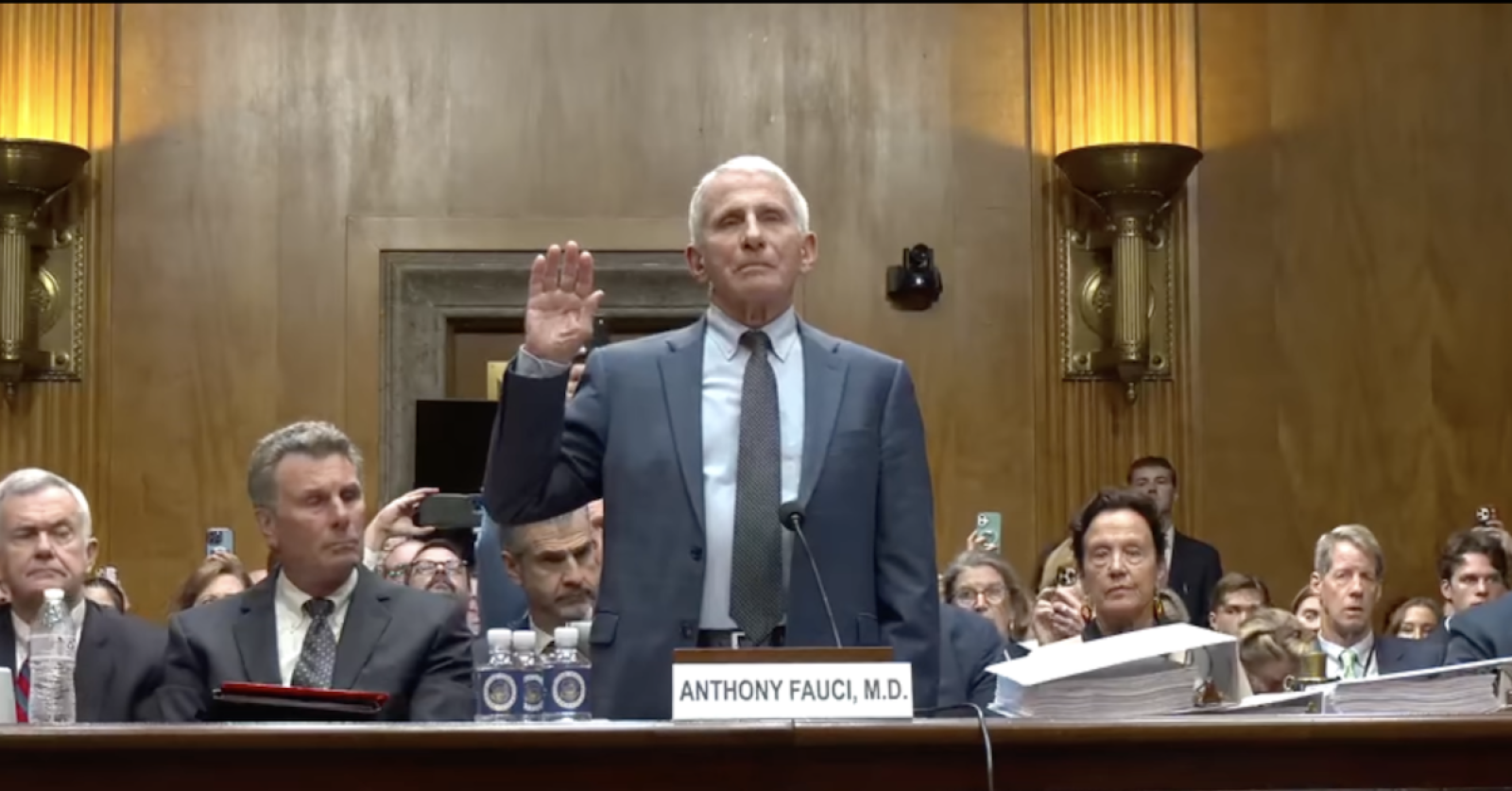
My Portrait of Anthony Fauci

Anthony Fauci, at 85, has been called to testify before the Senate committee investigating the origins of the Covid-19 pandemic, in what feels like a settling of scores by the very party that, at the time, was recommending chloroquine as a defence. The eminent physician is once again at the centre of controversy, not least for choosing to invoke the Fifth Amendment rather than answer questions. Guido Poli, immunologist at the San Raffaele Hospital and president of Patto Trasversale per la Scienza, who worked with him for many years, recalls in this article Tony Fauci's battles in the history of American and international public health, from AIDS to the pandemic. The image is taken from the footage (public domain) of A. Fauci's hearing on 29 July 2026 before the Senate Homeland Security and Governmental Affairs Committee.

In recent days, Anthony (“Tony”) Fauci has once again become a prominent figure in the international media, and to some extent in Italy as well. As the physician-scientist who has played one of the leading roles in U.S. public health over the past several decades, he became known throughout the world during the darkest days of the COVID-19 pandemic. Having had the privilege and good fortune to work with him from 1986 to 1993, I would like to offer my personal account of the scientist and the man.