fbpx Tre chimici contro i batteri | Page 6 | Science in the net

Tre chimici contro i batteri

Read time: 2 mins

Per gli studi sulla struttura e la funzione dei ribosomi, i complessi che traducono il codice genetico in proteine.

Venkatraman Ramakrishnan (wikipedia)
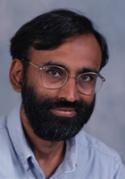
venkatraman

Scheda del Nobel Prize:

  • motivazione: "for studies of the structure and function of the ribosome"
  • 1/3 del premio
  • paese: Gran Bretagna
  • istituto: MRC Laboratory of Molecular Biology, Cambridge (Gran Bretagna)
  • anno e luogo di nascita:1952 (Chidambaram, Tamil Nadu, India)

Ada E. Yonath (wikipedia)

yonathyonath

Scheda del Nobel Prize:

  • motivazione: "for studies of the structure and function of the ribosome"
  • 1/3 del premio
  • paese: Israele
  • istituto: Weizmann Institute of Science, Rehovot (Israele)
  • anno di nascita: 1939

Thomas A. Steitz (wikipedia)
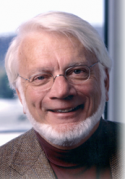
thomas steitz

Scheda del Nobel Prize:

  • motivazione: "for studies of the structure and function of the ribosome"
  • 1/3 del premio
  • paese: USA
  • istituto: Yale University, New Haven (CT, USA); Howard Hughes Medical Institute
  • anno di nascita: 1940


Autori: 
Sezioni: 
Nobel

prossimo articolo

The Log and the Speck: The True Causes of Wildfires and Floods

The Parable of the Speck and the Log. Ottmar Ellinger the Younger

The wildfires in Los Angeles and other extreme events, as well as their media coverage, highlight how immediate causes often overshadow the real issue: climate change, which increases the intensity and frequency of catastrophic phenomena. Tackling this crisis requires urgent action to reduce greenhouse gas emissions using already available technologies and investments to strengthen territorial resilience. Only a combination of mitigation and adaptation can prevent irreversible damage, ensuring a sustainable future for the next generations.

In the image: The Parable of the Speck and the Log. Ottmar Ellinger the Younger

Even in the face of the vast Los Angeles wildfires—still ongoing—as in other recent circumstances, the media's attention is primarily focused on the most immediate and “proximal” causes: the malfunctioning of the power grid, insufficient water reserves, the unpreparedness of newly hired firefighters, and so on.