
fbpx Demographic decrease of Stars | Science in the net

Demographic decrease of Stars

Primary tabs

Read time: 2 mins

An international team of astronomers, whilst reconstructing how the pace of the formation of new stars has changed throughout the history of the Universe, discovered that we presently find ourselves faced with a genuine demographic decrease.

Extracting the data gathered using the UKIRT, VLT and Subaru telescopes, David Sobral (Leiden University) and colleagues discovered that half of the stars which are currently present in the Universe, were developed between 9 and 11 billion years ago. Following the birth boom, the demographic growth became increasingly slower: 9 billion years were needed to create the second half of the present stars. According to the researchers, who had access to ten times more data than that available up to the present, with which to conduct the same analysis, the current rate of stellar creation has reduced 30 times when compared to the maximum value.

In addition to the fact that this may concern us directly, the future of the Universe has never looked so gloomy. In the study, which will appear in the next edition of Monthly Notices of the Royal Astronomical Society, it has been suggested that, at this rate, only a further 5% of new stars will be created in the Universe. "We are living in a Universe of old stars - highlights Sobral - and we cannot ignore the fact that our Galaxy is still quite active in terms of stellar creation".
Royal Astronomical Society - Research paper

Autori: 
Sezioni: 
Universe

prossimo articolo

My Portrait of Anthony Fauci

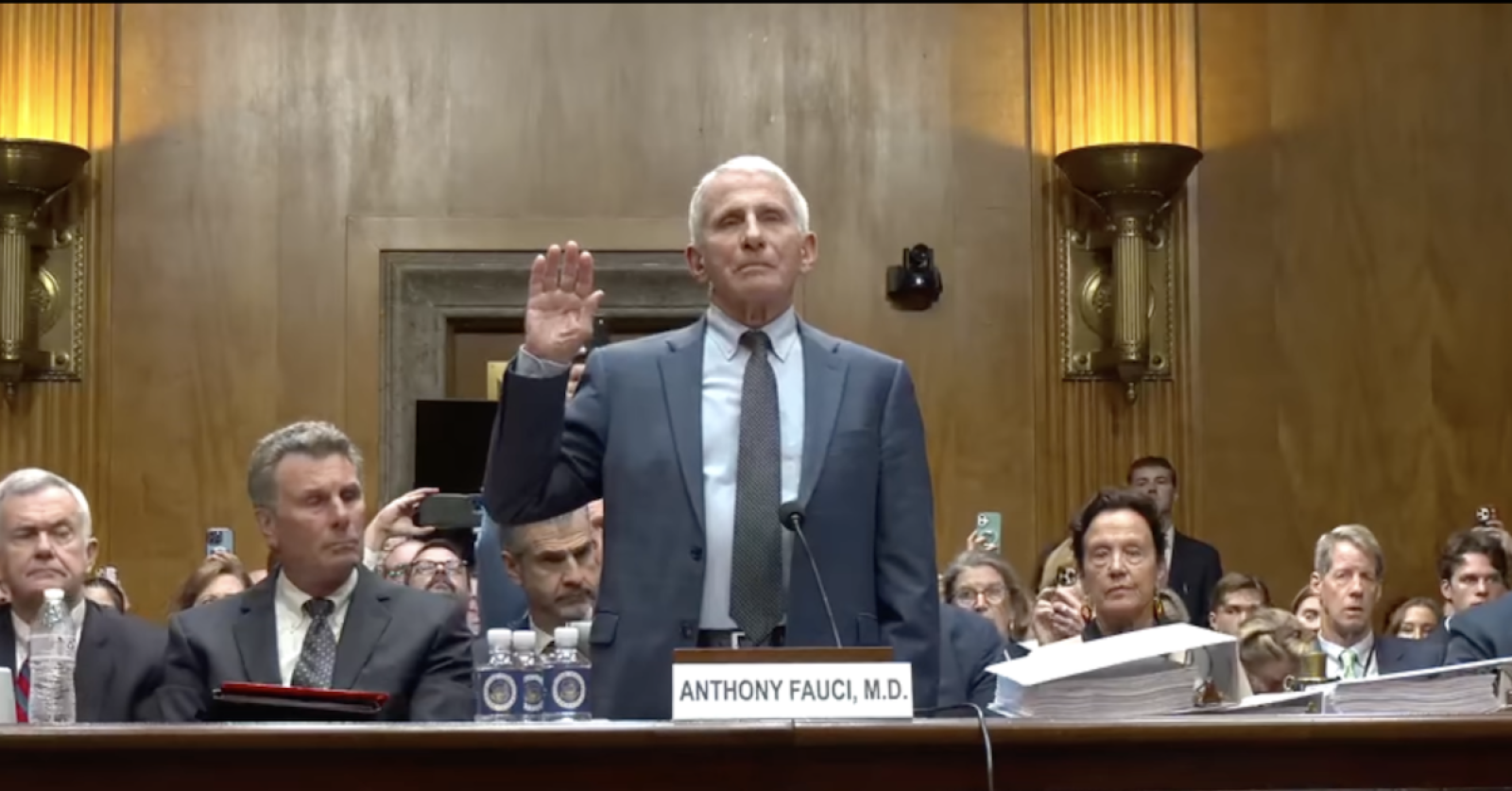
Anthony Fauci, at 85, has been called to testify before the Senate committee investigating the origins of the Covid-19 pandemic, in what feels like a settling of scores by the very party that, at the time, was recommending chloroquine as a defence. The eminent physician is once again at the centre of controversy, not least for choosing to invoke the Fifth Amendment rather than answer questions. Guido Poli, immunologist at the San Raffaele Hospital and president of Patto Trasversale per la Scienza, who worked with him for many years, recalls in this article Tony Fauci's battles in the history of American and international public health, from AIDS to the pandemic. The image is taken from the footage (public domain) of A. Fauci's hearing on 29 July 2026 before the Senate Homeland Security and Governmental Affairs Committee.

In recent days, Anthony (“Tony”) Fauci has once again become a prominent figure in the international media, and to some extent in Italy as well. As the physician-scientist who has played one of the leading roles in U.S. public health over the past several decades, he became known throughout the world during the darkest days of the COVID-19 pandemic. Having had the privilege and good fortune to work with him from 1986 to 1993, I would like to offer my personal account of the scientist and the man.