
fbpx Capodanno sul tetto | Page 8 | Science in the net

Capodanno sul tetto

Read time: 1 min

Dopo quella di Natale, i ricercatori dell’ISPRA, l´Istituto superiore per la protezione e la ricerca ambientale, -- salvo novità dell’ultim’ora -- passeranno sul tetto dell'edificio di via di Casalotti 300, a Roma, anche la notte di San Silvestro. In attesa di ottenere un incontro col ministro dell’ambiente Stefania Prestigiacomo, sono ormai quasi quaranta giorni che i trenta studiosi portano avanti la loro protesta, sfidando il freddo con due tende, sacchi a pelo e fornelli a gas. Proprio oggi scadono i contratti di circa 200 studiosi: nell’anno che si sta chiudendo ne sono già stati mandati a casa 250 e le prospettive per quello che si apre non sono rosee. Si parla infatti di un altro 50 per cento di tagli. A meno, appunto, di un botto a sorpresa alle soglie di Capodanno.

Intanto domani 1 gennaio, alle ore 16, partirà da piazza Ormea una fiaccolata a sostegno dei ricercatori, che attraverserà via Casalotti e si concluderà davanti ai cancelli dell´ente.
 La Repubblica, Roma


Autori: 
Sezioni: 
Proteste

prossimo articolo

Discovered a New Carbon-Carbon Chemical Bond

A group of researchers from Hokkaido University has provided the first experimental evidence of the existence of a new type of chemical bond: the single-electron covalent bond, theorized by Linus Pauling in 1931 but never verified until now. Using derivatives of hexaarylethane (HPE), the scientists were able to stabilize this unusual bond between two carbon atoms and study it with spectroscopic techniques and X-ray diffraction. This discovery opens new perspectives in understanding bond chemistry and could lead to the development of new materials with innovative applications.

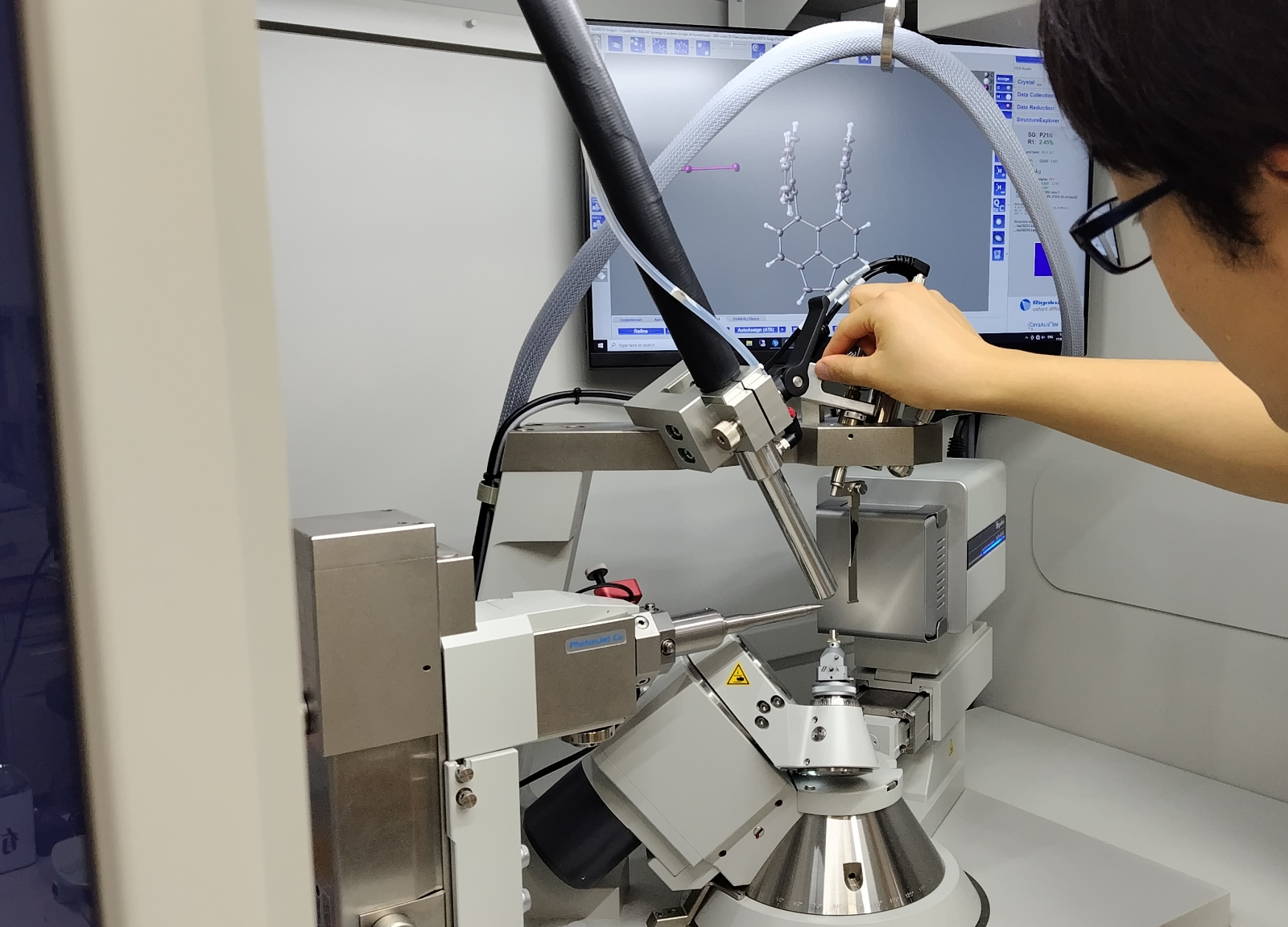
In the cover image: study of the sigma bond with X-ray diffraction. Credits: Yusuke Ishigaki

After nearly a year of review, on September 25, a study was published in Nature that has sparked a lot of discussion, especially among chemists. A group of researchers from Hokkaido University synthesized a molecule that experimentally demonstrated the existence of a new type of chemical bond, something that does not happen very often.