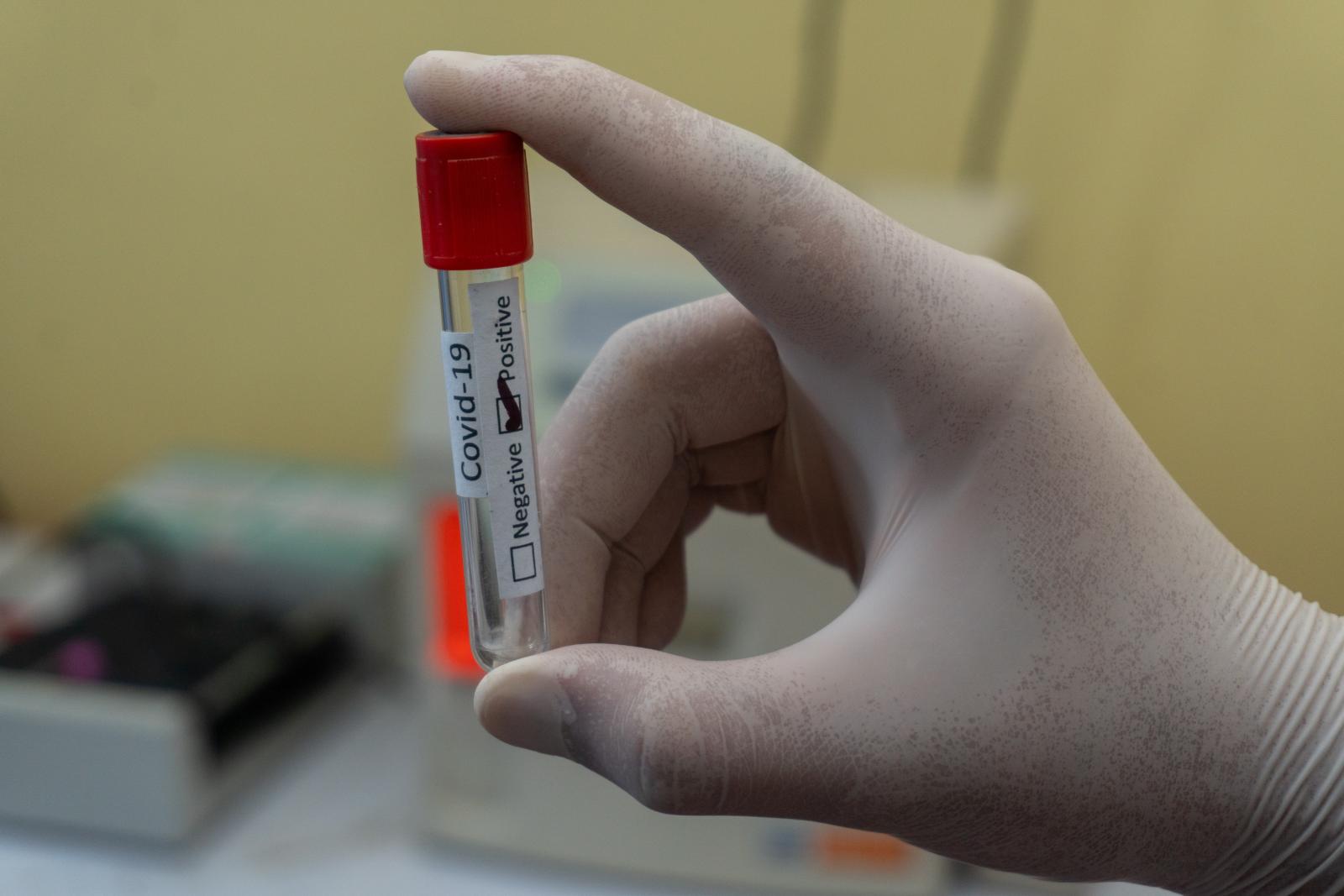
Pregnant women who were given H1N1 influenza vaccine in 2009 were less likely to face adverse fetal outcomes such as preterm birth. Also, they gave birth to heavier infants. These are the conclusions of a study published on Clinical Infectious Diseases, coordinated by Dr. Saad Omer, of the Rollins School of Public Health at Emory University, Atlanta. He and his colleagues conducted a retrospective cohort study of live births during the period of 2009 influenza A (H1N1) virus circulation, finding that infants of vaccinated mothers had 37% lower probability of being born preterm than infants of unvaccinated mothers. As for the birth weight difference, infants of vaccinated mothers weighed 45.1 grams more than those with unvaccinated mothers.
Vaccines and pregnancy
prossimo articolo
Europe votes on the new air quality directive

The European Parliament's vote (and subsequently the Council of Europe's) on the new European Directive on air quality is expected for September 13. This directive updates the allowed atmospheric pollutant limits, bringing them closer to those established by the WHO in 2021. Resistance to the new objectives, mainly coming from the industrial world and established economic interests in certain regions, makes the outcome of the vote uncertain. However, there are no serious scientific or political reasons to oppose or attempt to dilute the more ambitious limits proposed by the new directive.
Image credits: JC Gellidon/Unsplash
The new European Directive on air quality, currently under discussion in the European Parliament, updates the concentration limits of major air pollutants, bringing them closer to those set by the new guidelines of the World Health Organization (2021). The outcome of the vote, scheduled for September 13, is uncertain.