
fbpx Vaccines and pregnancy | Science in the net

Vaccines and pregnancy

Read time: 1 min

Pregnant women who were given H1N1 influenza vaccine in 2009 were less likely to face adverse fetal outcomes such as preterm birth. Also, they gave birth to heavier infants. These are the conclusions of a study published on Clinical Infectious Diseases, coordinated by Dr. Saad Omer, of the Rollins School of Public Health at Emory University, Atlanta. He and his colleagues conducted a retrospective cohort study of live births during the period of 2009 influenza A (H1N1) virus circulation, finding that infants of vaccinated mothers had 37% lower probability of being born preterm than infants of unvaccinated mothers. As for the birth weight difference, infants of vaccinated mothers weighed 45.1 grams more than those with unvaccinated mothers.

CID paper: http://cid.oxfordjournals.org/content/early/2013/01/31/cid.cit045.abstract?sid=616e87b3-e15f-4e62-8781-7a4d98b49990

Autori: 
Sezioni: 
Dossier: 
H1N1 influenza
prossimo articolo

Cuba: Now it’s time to go

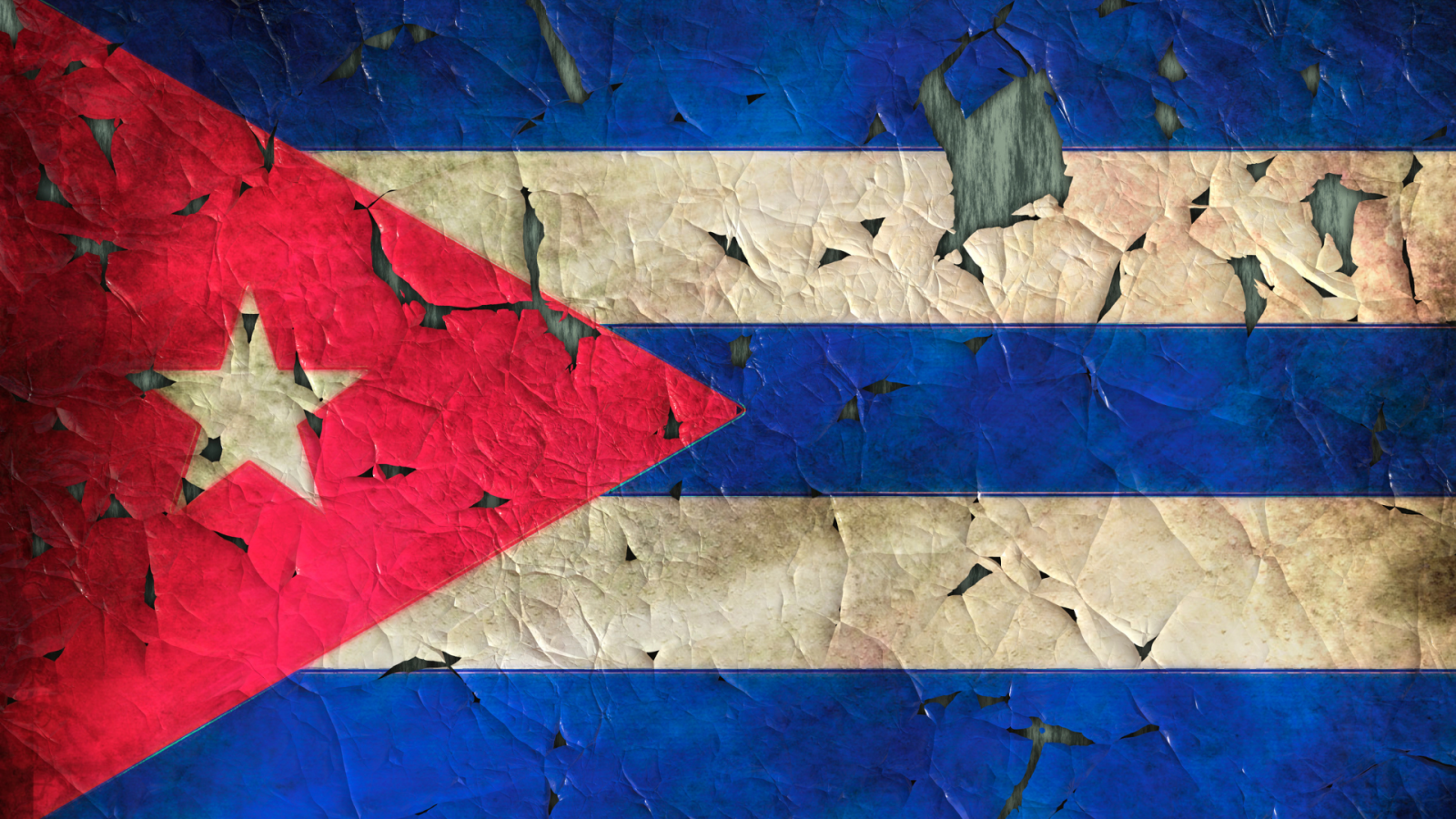
drawing of the Cuban flag on a peeling wall

The President of the United States has already announced that his next target will be Cuba, one way or another. The island has in any case been subjected to a fierce embargo for 64 years, with dramatic consequences for the health of its inhabitants. The tightening of recent times is making it difficult to maintain even those capacities to produce drugs and vaccines that have so far upheld the right to health. Until when?


There is an ongoing emergency; has been going on for a long time and therefore the situation is very serious and uncertain and there is always someone who tries to take advantage of it, even in an unfair way.