
fbpx How flu is spread | Page 5 | Science in the net

How flu is spread

Read time: 1 min

Avoiding close contacts with infected people could not be enough as a defense against flu. This is the conclusion of a recent study by scientists at the Wake Forest School of Medicine, published on the Journal of Infectious Diseases. The swab specimens of 94 subjects, admitted to the hospital with influenza-like illness, have been analyzed and their medical history recorded, revealing that 61 of them were actually positive for flu. Researchers then collected air samples from each patient, looking for infectious particles. This allowed to discover that 26 of them released virus particles into the air, with 5 being highly infectious, emitting up to 32 times more virus than others. Patients who reported severe illness and major interference with daily life also emitted more influenza virus.
These results thus seem to question the conventional wisdom that flu is mainly spread through close contact with others and by touching contaminated surfaces.

http://jid.oxfordjournals.org/content/early/2013/01/29/infdis.jis773.abstract
Autori: 
Sezioni: 
Dossier: 
Indice: 
Influenza

prossimo articolo

President Trump reshapes US research landscape

trump

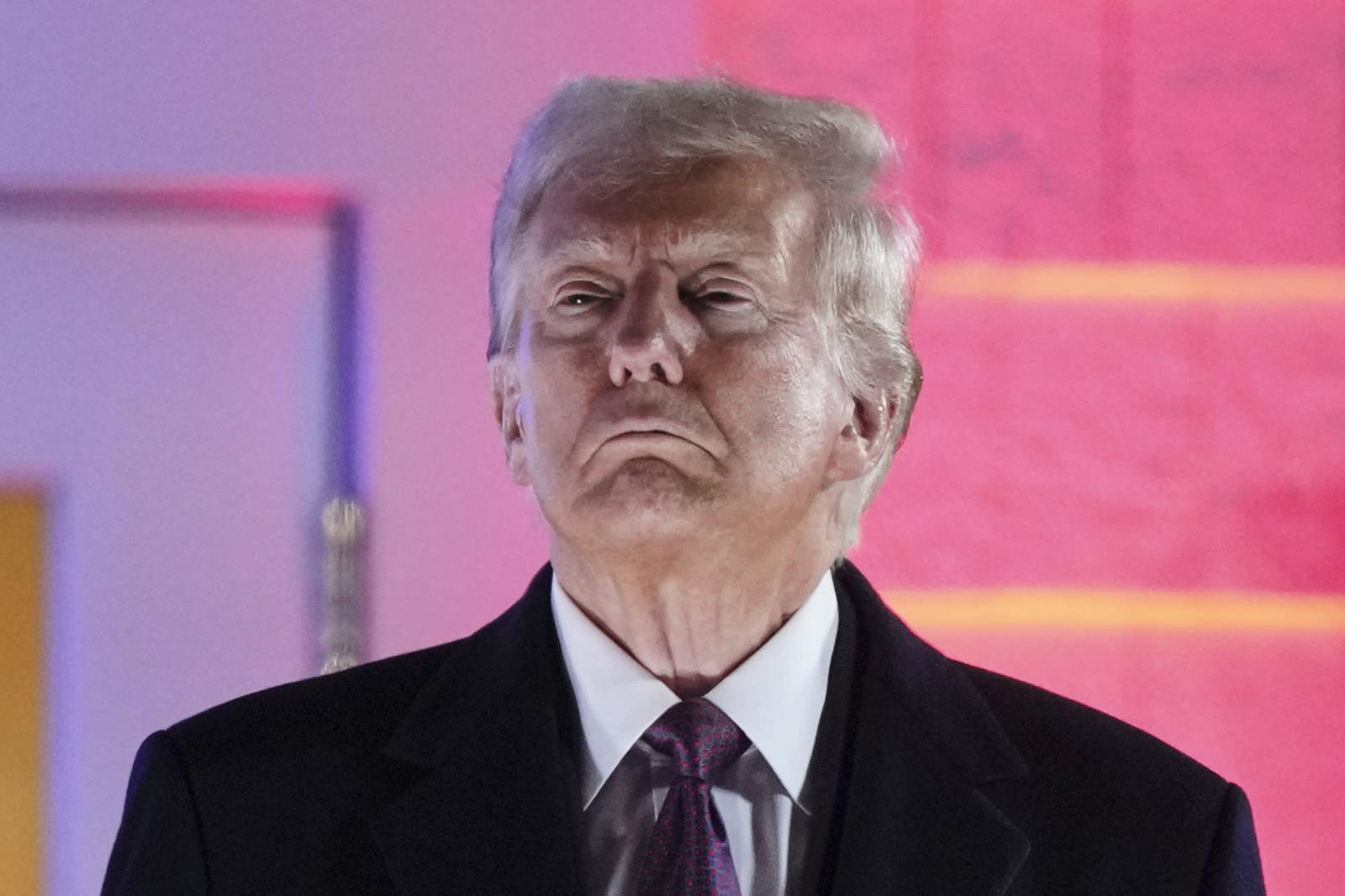
Con una serie di ordini esecutivi, Donald Trump smantella le politiche climatiche di Biden e ritira gli Stati Uniti dall'accordo di Parigi. Le agenzie federali scientifiche (EPA, NIH, CDC, FDA, NASA) vengono ristrutturate con nuove nomine orientate alla deregolamentazione. Vengono congelate le assunzioni federali, mentre la revisione delle collaborazioni internazionali potrebbe ridefinire il ruolo USA nella ricerca globale. Immagine: Donald Trump.

20 January 2025 marks a turning point in US science policy, with a series of executive orders drastically redefining the role of federal science and research agencies. A detailed analysis of the documents reveals an approach that fundamentally changes the basis of US climate, energy and biomedical research policy.

This comprehensive list shows the scope and breadth of the first day's interventions, which touch virtually every aspect of the federal government, from foreign policy to national security, from energy to immigration, from administrative reform to social policy.