
fbpx How flu is spread | Page 24 | Science in the net

How flu is spread

Read time: 1 min

Avoiding close contacts with infected people could not be enough as a defense against flu. This is the conclusion of a recent study by scientists at the Wake Forest School of Medicine, published on the Journal of Infectious Diseases. The swab specimens of 94 subjects, admitted to the hospital with influenza-like illness, have been analyzed and their medical history recorded, revealing that 61 of them were actually positive for flu. Researchers then collected air samples from each patient, looking for infectious particles. This allowed to discover that 26 of them released virus particles into the air, with 5 being highly infectious, emitting up to 32 times more virus than others. Patients who reported severe illness and major interference with daily life also emitted more influenza virus.
These results thus seem to question the conventional wisdom that flu is mainly spread through close contact with others and by touching contaminated surfaces.

http://jid.oxfordjournals.org/content/early/2013/01/29/infdis.jis773.abstract
Autori: 
Sezioni: 
Dossier: 
Indice: 
Influenza

prossimo articolo

Nature Restoration Law: We Approve the Law for the Future of European Nature

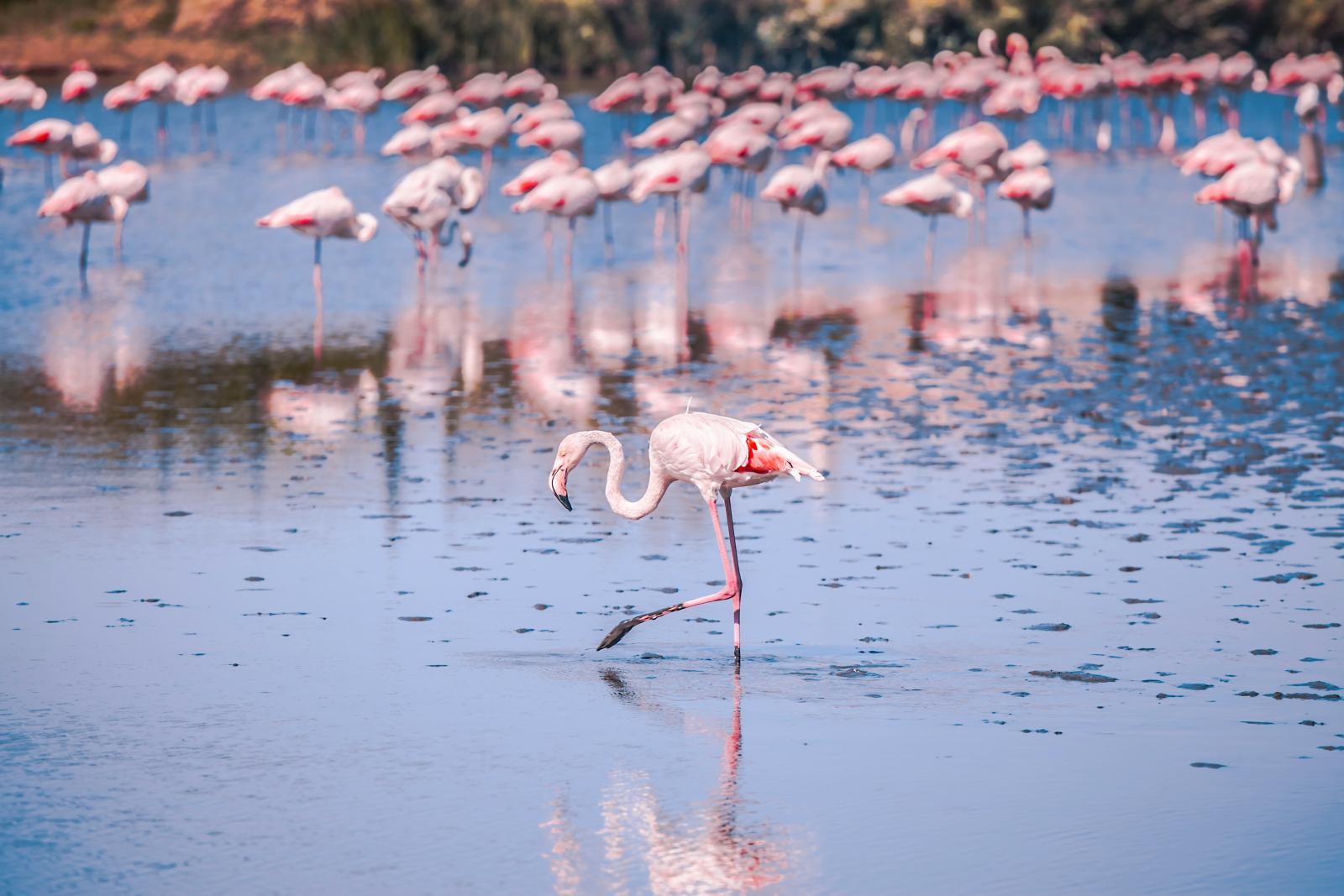
fenicotteri

On the upcoming July 12, the European Parliament will decide the fate of one of the most ambitious initiatives in support of European nature, the Nature Restoration Law, a legislative proposal aimed at restoring European natural habitats. Now more than ever, it is crucial to defend this law and push for its approval.

In Italy, the Manifesto for the Nature Restoration Law has been published, an initiative that has so far received the support of over 150 associations, 4,000 scientists, dozens of large companies, and over one million signatures from individual citizens (here is the registration form).

Image credits: JD design - Unsplash

Making the protection of nature and the restoration of habitats a legal obligation: this is the purpose of the new European regulation proposal, the Nature Restoration Law. An ambitious proposal, but crucial for making the European Green Deal something concrete.