
A large team of researchers from the World Health Organization (WHO) and many other institutions performed a new analysis of serologic studies from 19 countries in order to estimate the infection rate of the 2009 H1N1 influenza during the first year of the pandemic. The study, published in Influenza and Other Respiratory Viruses, showed that about 24% of the population were infected with the H1N1 virus during the first wave of the pandemic. Of these infected, approximately 0.02% died.These results are slightly higher than the official estimates made by the US Centers for Disease Control and Prevention (CDC) in the period immediately following the outbreak of the virus, and confirm the age-related distribution of H1N1 incidence, with the children being the most affected when compared to the over 65. One of the possible limitations of the study, as highlighted by the authors themselves, is that the vaccine might had little impact on their results, due to conflicting results and low vaccine coverage in most countries.
Evaluation of 2009 infection rate
Autori:
Sezioni:
Dossier:
Indice:
Serologic studies
prossimo articolo
Pollution and Covid. Two vague clues don't make an evidence
di Guido Poli
di Luca Carra
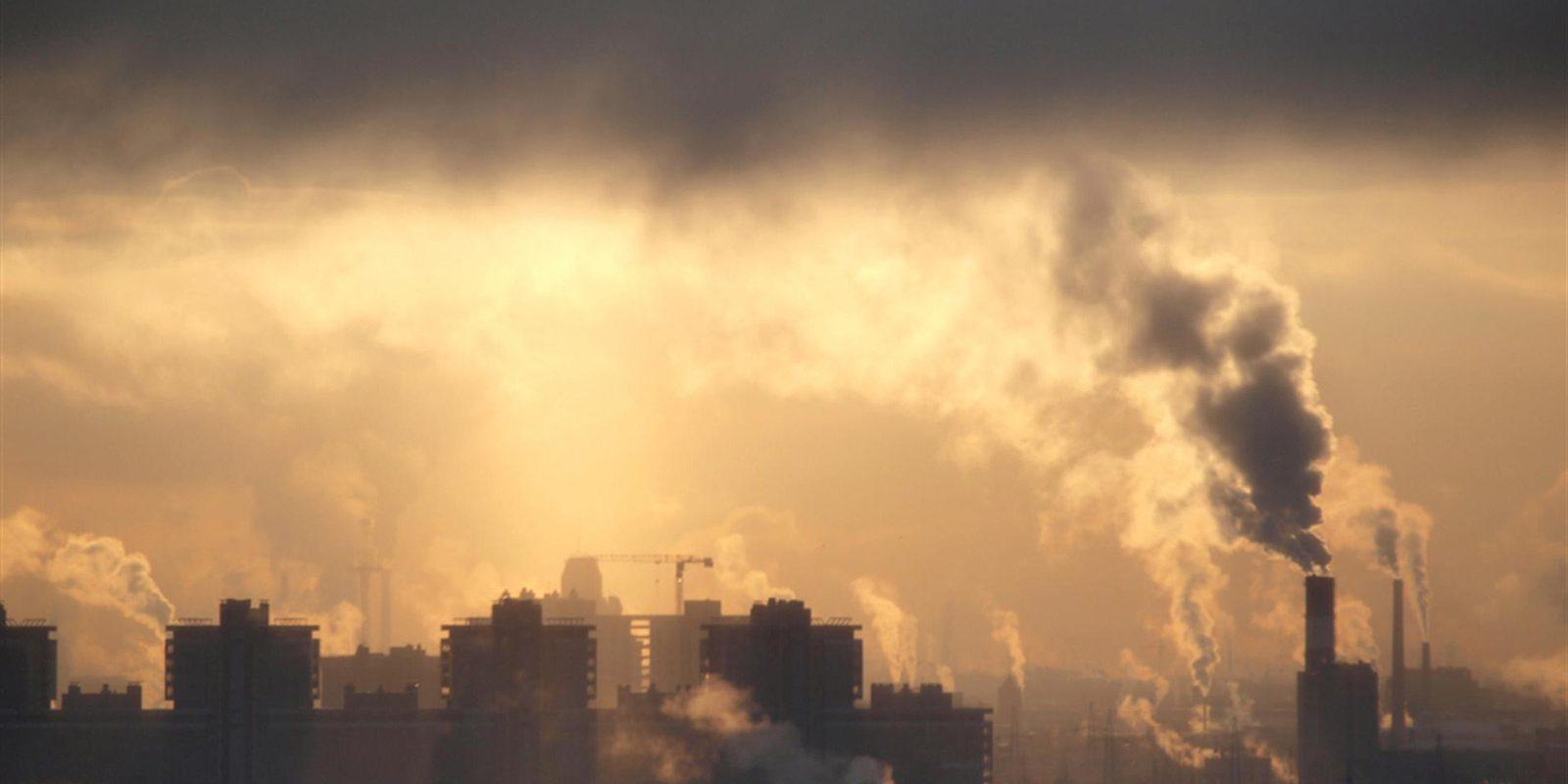
In these days, newspapers and television programs (and the web, of course) are giving space to a statement by the Italian Society of Environmental Medicine (SIMA) announcing important discoveries on the link between airborne particulate matter and Coronavirus, even describing them as important for the decisions to be taken in the coming weeks.