
A large team of researchers from the World Health Organization (WHO) and many other institutions performed a new analysis of serologic studies from 19 countries in order to estimate the infection rate of the 2009 H1N1 influenza during the first year of the pandemic. The study, published in Influenza and Other Respiratory Viruses, showed that about 24% of the population were infected with the H1N1 virus during the first wave of the pandemic. Of these infected, approximately 0.02% died.These results are slightly higher than the official estimates made by the US Centers for Disease Control and Prevention (CDC) in the period immediately following the outbreak of the virus, and confirm the age-related distribution of H1N1 incidence, with the children being the most affected when compared to the over 65. One of the possible limitations of the study, as highlighted by the authors themselves, is that the vaccine might had little impact on their results, due to conflicting results and low vaccine coverage in most countries.
Evaluation of 2009 infection rate
prossimo articolo
Nature Restoration Law: We Approve the Law for the Future of European Nature
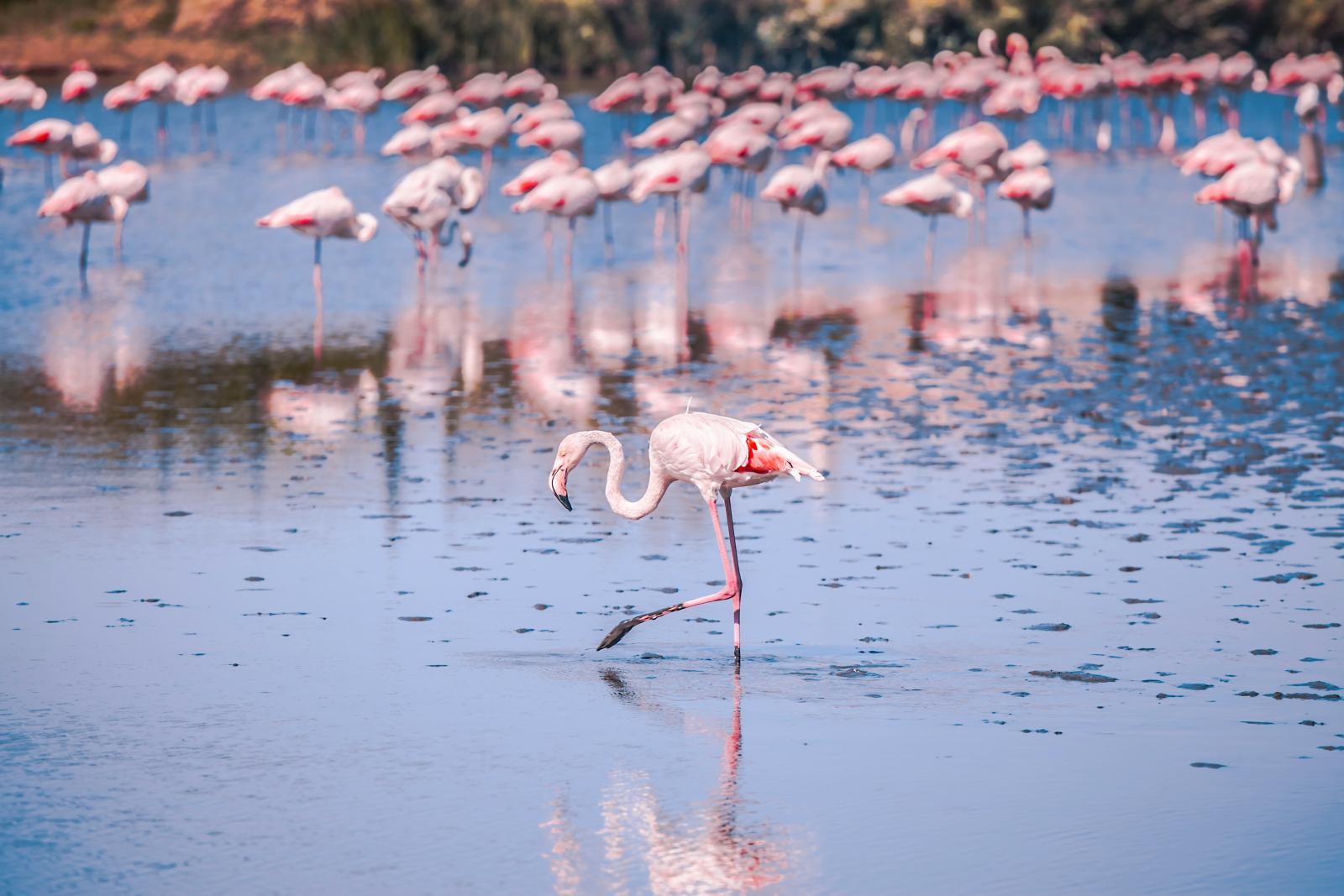
On the upcoming July 12, the European Parliament will decide the fate of one of the most ambitious initiatives in support of European nature, the Nature Restoration Law, a legislative proposal aimed at restoring European natural habitats. Now more than ever, it is crucial to defend this law and push for its approval.
In Italy, the Manifesto for the Nature Restoration Law has been published, an initiative that has so far received the support of over 150 associations, 4,000 scientists, dozens of large companies, and over one million signatures from individual citizens (here is the registration form).
Image credits: JD design - Unsplash
Making the protection of nature and the restoration of habitats a legal obligation: this is the purpose of the new European regulation proposal, the Nature Restoration Law. An ambitious proposal, but crucial for making the European Green Deal something concrete.