
A large team of researchers from the World Health Organization (WHO) and many other institutions performed a new analysis of serologic studies from 19 countries in order to estimate the infection rate of the 2009 H1N1 influenza during the first year of the pandemic. The study, published in Influenza and Other Respiratory Viruses, showed that about 24% of the population were infected with the H1N1 virus during the first wave of the pandemic. Of these infected, approximately 0.02% died.These results are slightly higher than the official estimates made by the US Centers for Disease Control and Prevention (CDC) in the period immediately following the outbreak of the virus, and confirm the age-related distribution of H1N1 incidence, with the children being the most affected when compared to the over 65. One of the possible limitations of the study, as highlighted by the authors themselves, is that the vaccine might had little impact on their results, due to conflicting results and low vaccine coverage in most countries.
An evaluation of 2009 pandemic infection rate
prossimo articolo
We cannot archive Covid-19 yet
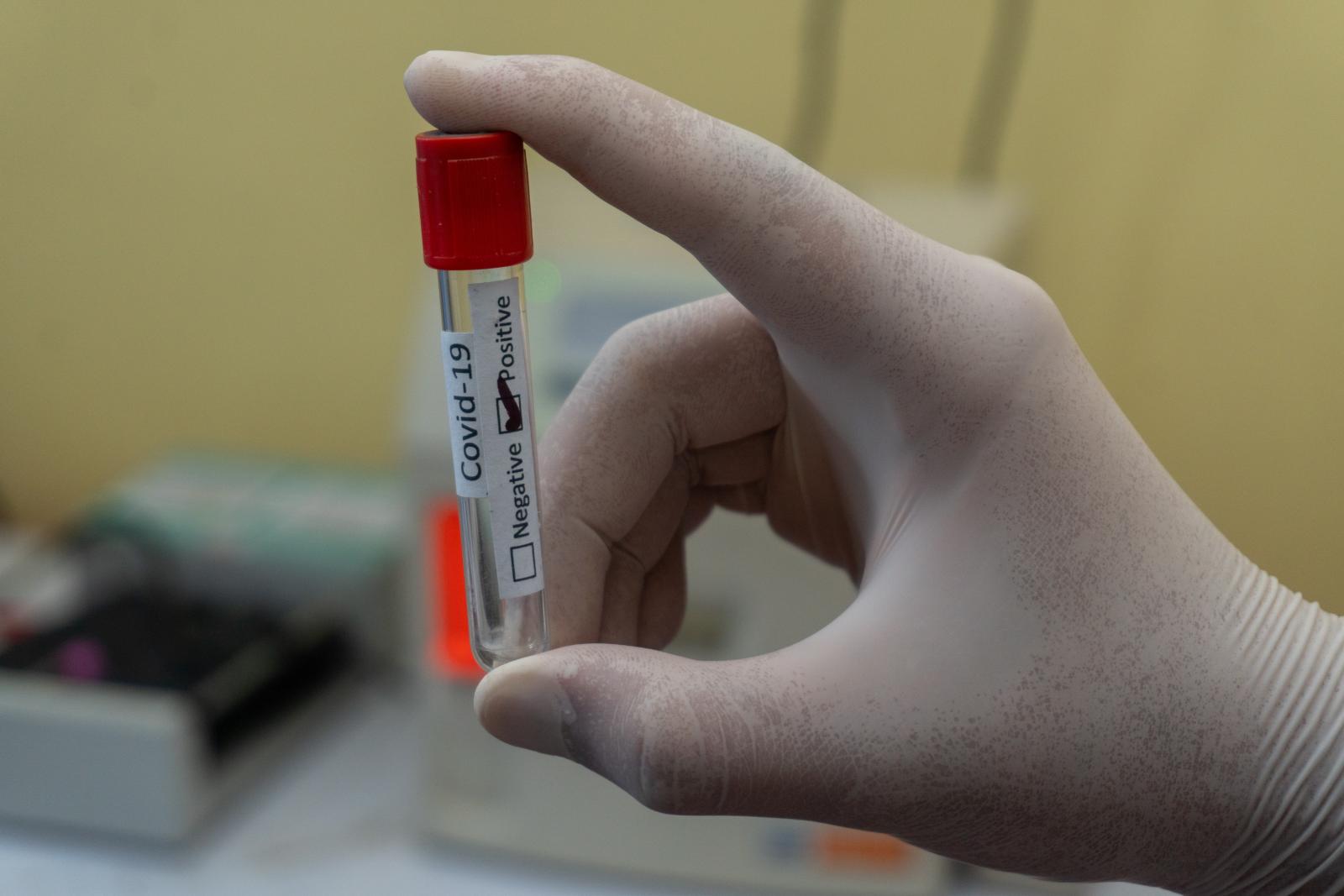
Coexistence with Covid-19 cannot yet be said to be stable, especially due to the great variability of SARS-CoV-2. For this reason, as the number of cases in Italy is increasing, it is necessary to limit the impact of infections by acting on two fronts, which are not alternatives to each other: reduce the share of people who have become partially susceptible and limit the likelihood of the emergence of new variants.
Image credits: Prasesh Shiwakoti (Lomash)/Unsplash
Several attempts have been made to archive Covid-19, trying to leave behind an experience worthy of the worst dystopian novel (about 770 million officially registered cases worldwide and an estimated 18 million deaths), but it seems that the anticipated "coexistence" with the family of viruses has not yet stabilized, and it will take several years to get there.