
A large team of researchers from the World Health Organization (WHO) and many other institutions performed a new analysis of serologic studies from 19 countries in order to estimate the infection rate of the 2009 H1N1 influenza during the first year of the pandemic. The study, published in Influenza and Other Respiratory Viruses, showed that about 24% of the population were infected with the H1N1 virus during the first wave of the pandemic. Of these infected, approximately 0.02% died.These results are slightly higher than the official estimates made by the US Centers for Disease Control and Prevention (CDC) in the period immediately following the outbreak of the virus, and confirm the age-related distribution of H1N1 incidence, with the children being the most affected when compared to the over 65. One of the possible limitations of the study, as highlighted by the authors themselves, is that the vaccine might had little impact on their results, due to conflicting results and low vaccine coverage in most countries.
Evaluation of 2009 infection rate
Primary tabs
prossimo articolo
Italy and Cuba: the right to health is a common founding principle
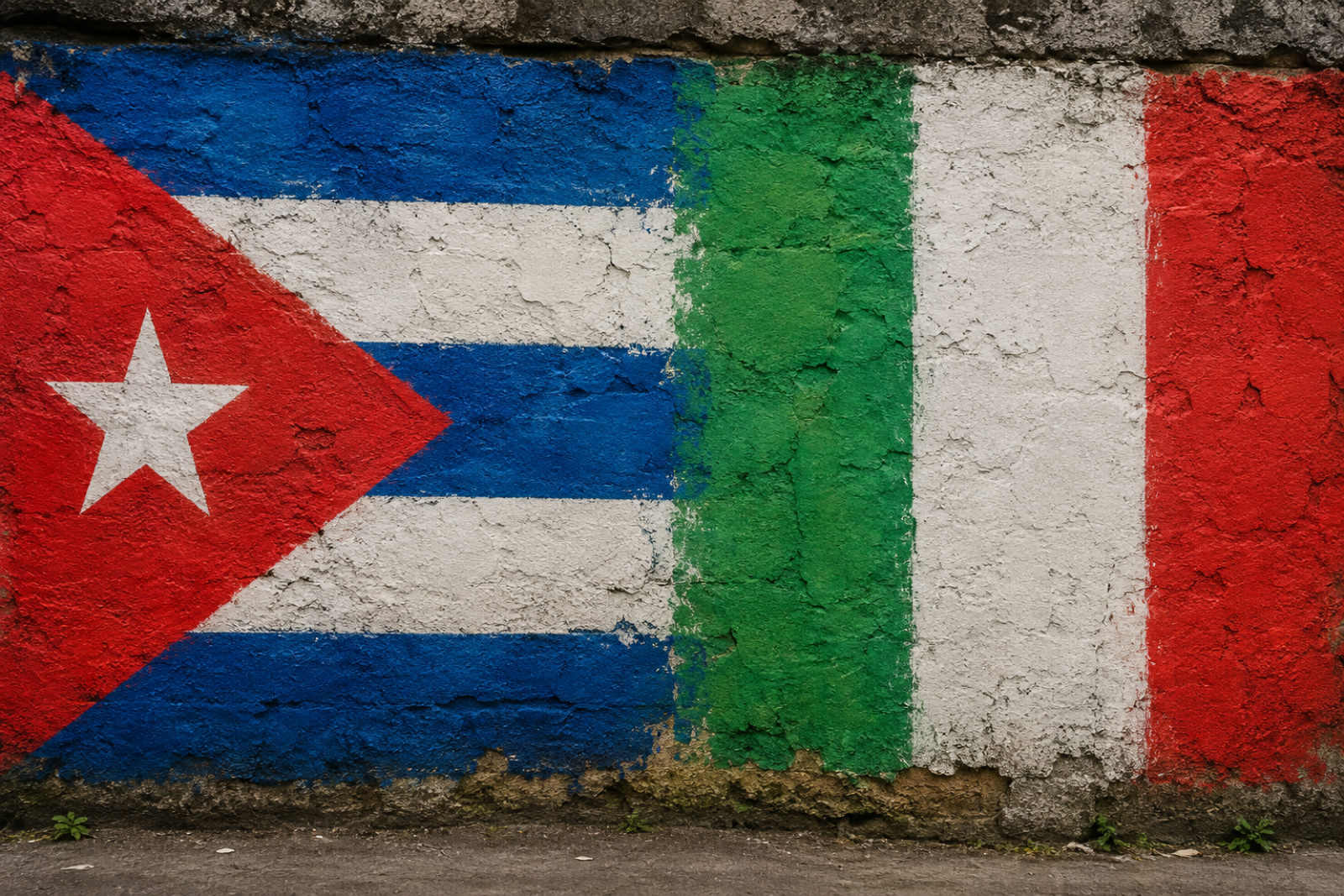
From Article 32 of the Italian Constitution to Article 72 of the Cuban Constitution, the universal right to health provides the common ground on which Italy and Cuba have built - despite profoundly different political and economic contexts - healthcare systems based on primary care, prevention, and community-based services. These models, while currently facing delays and significant challenges, invite reflection on how the protection of health remains one of the most important indicators of a country's level of civilization, social justice, and the quality of its democracy.
Cover image created with ChatGPT.
Article 32, paragraph 1 of the Constitution of the Italian Republic states that: health is a fundamental and collective right; the Republic guarantees access to care; the right to health cannot be transferred or ceded: it is inalienable and inalienable; it is a universal right, belonging to all, without discrimination; it is a subjective right of the individual; it is irreducible and essential.