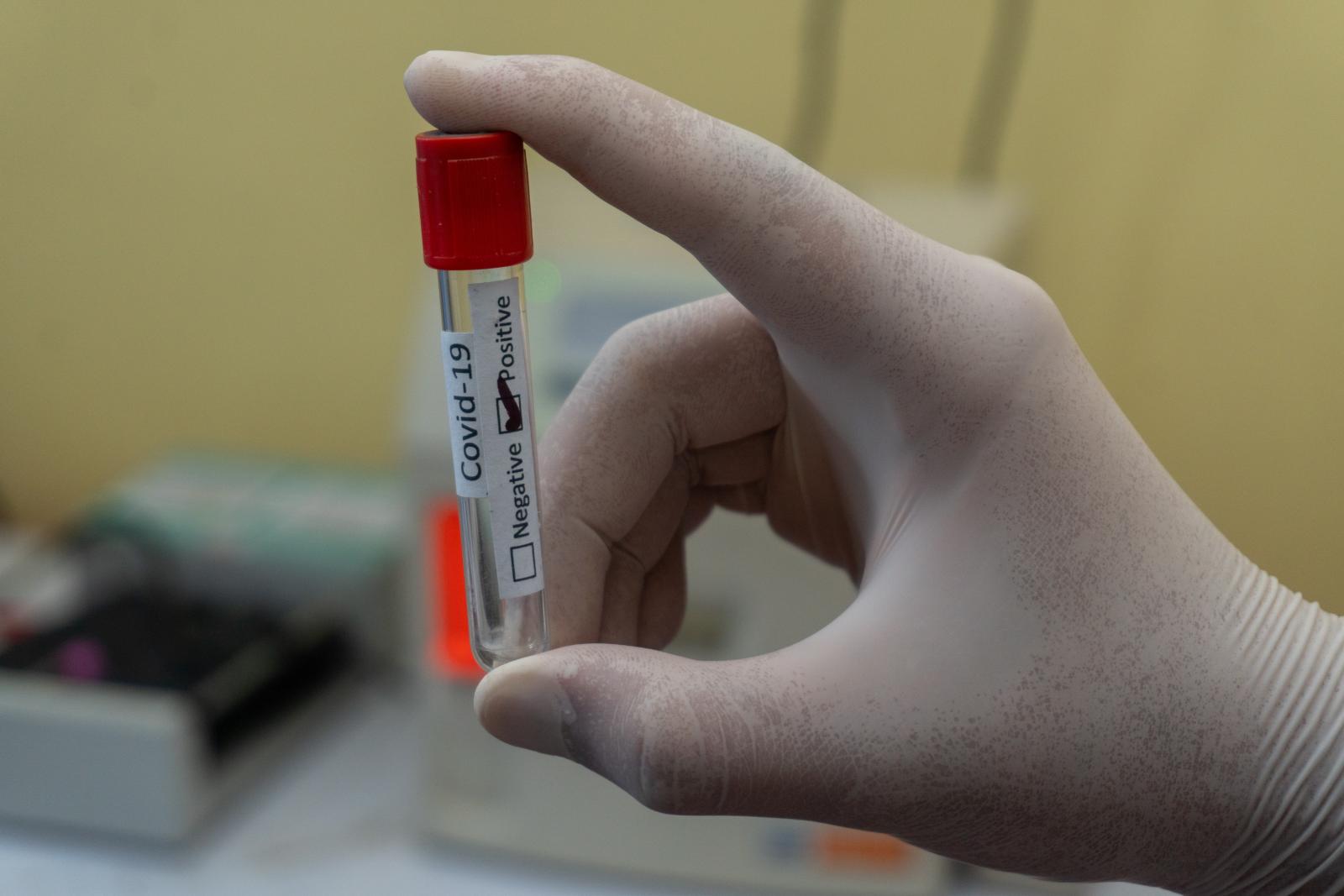
The discovery of a new kind of coronavirus last year in Saudi Arabia is at the centre of an international controversy. The tensions are due to the ownership of intellectual rights over this virus.
In June 2012, Saudi microbiologist Ali Mohamed Zaki isolated and cultured a virus from a man who had died of severe pneumonia and acute renal failure. Zaki was not able to identify the cause of death and thus mailed a sample of the virus to Ron Fouchier, a virologist at the Erasmus Medical Center (EMC) in Rotterdam, asking for advice. The test suggested by Fouchier revealed that the virus was a new kind of coronavirus; further analysis showed that it was a previously unknown human coronavirus, closely related to one from bats.
Once the discovery has been announced, the virus was provisionally named human betacoronavirus 2c EMC (hCoV-EMC), after the Rotterdam centre, meaning that scientists asking for samples of the virus should first sign an EMC material-transfer agreement (MTA).
This fact raised the concerns from Saudi authorities, who claim that Zaki did not inform them about his work and, most of all, about his shipment of the virus to the Dutch colleague. They also said that national procedures for reporting potential new pathogens “were either intentionally or inadvertently circumvented”. On his side, Zaki answered that he had informed the ministry, which did not sufficiently follow up, while Fouchier added that MTA is a standard practice on a virus, which does not give Erasmus MC any ownership of the virus itself.
The issue at stake is not limited to the controversy between the Netherlands and Saudi Arabia: there is a clear and urgent need for a global agreement about ownership and sharing of virus samples.
http://tellmeproject.eu/content/new-coronavirus-case-saudi-arabia
http://tellmeproject.eu/content/new-coronavirus-found-uk