
fbpx New case in Saudi Arabia | Page 23 | Science in the net

New case in Saudi Arabia

Read time: 1 min

A case of pneumonia caused by a novel coronavirus, temporarily named nCov-EMC, has been confirmed by the Ministry of Health of the Kingdom of Saudi Arabia. The patient, who is now recovering and out of intensive care, is a man who has been hospitalized in Ryadh a few days ago, with symptoms of an acute respiratory syndrome. He has no significant travel history and, one week prior to disease onset, he reports having visited a farm.

Saudi health authorities reported that this case is not epidemiologically linked to the other two recent cases of SARS-like coronavirus infection, both related to the Kingdom of Saudi Arabia.

Epicentro: http://www.epicentro.iss.it/temi/infettive/aggiornamenti.aspclass="bibliografia">Last SARS-like case: http://tellmeproject.eu/content/new-coronavirus-found-uk
Autori: 
Sezioni: 
Dossier: 
Indice: 
Coronavirus

prossimo articolo

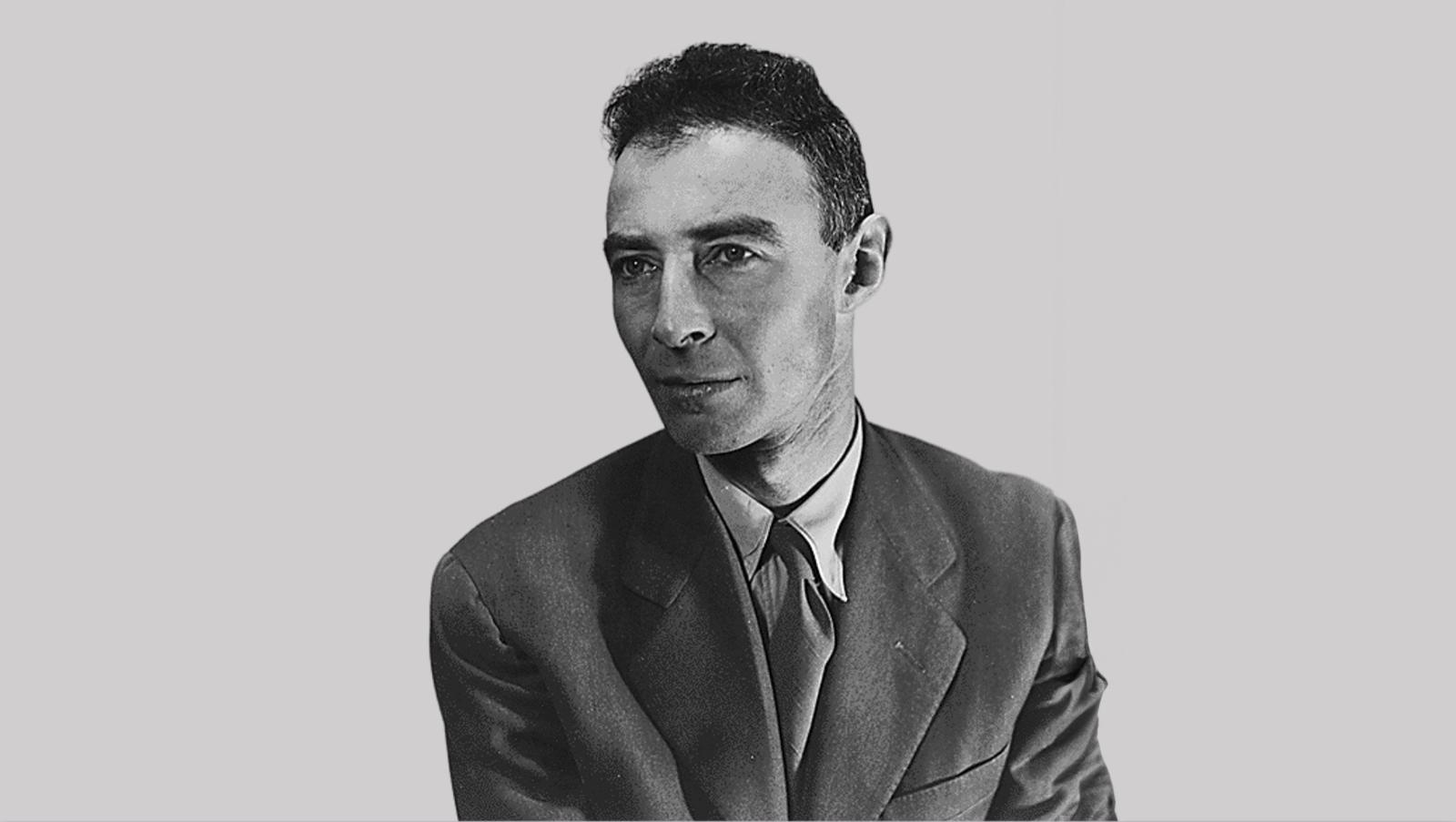
Oppenheimer, a film that equally addresses science and ethics

The story of the physicist Robert Oppenheimer is a controversial one, filled with both highlights and shadows. Although it has already been the subject of numerous biographies, it is now the focus of the eponymous film directed by Christopher Nolan. Fabio Terragni reviews it for 'Scienza in rete'.

It's true: Robert Oppenheimer didn't "invent" the atomic bomb. The most tragic achievement of 20th-century science and technology was the result of the first example of Big Science: the Manhattan Project, an unprecedented effort by the American government to outpace Nazi Germany, which cost over two billion dollars and involved tens of thousands of top-tier physicists, engineers, and technicians.