
The mysterious disease that killed 14 people in Uganda since the beginning of July 2012 has finally been identified as the Ebola virus. The Ministry of Health (MoH) of Uganda and a World Health Organisation (WHO) representative reported the news after laboratory confirmation was done by the Uganda Virus Research Institute in Entebbe. A total of 20 total cases have been confirmed in Kibaale district, in the western part of Uganda, nine of which have occurred in a single household. Ebola virus causes haemorrhagic fever and internal bleeding; it is highly infectious as well as contagious.
The MoH coordinates a national task force and is cooperating with stakeholders, WHO and the Center for Disease Control and Prevention (CDC) in order to control the outbreak. Kibaale hospital has established a temporary isolation ward for suspected, probable and confirmed cases, with the collaboration of Médecins Sans Frontières (MSF).
At the moment, WHO does not recommend that any travel or trade restrictions are applied to Uganda.
Ebola outbreak in Uganda
Autori:
Sezioni:
Dossier:
Indice:
Virus
prossimo articolo
Scientists revealed a weak spot of the Huntington’s disease
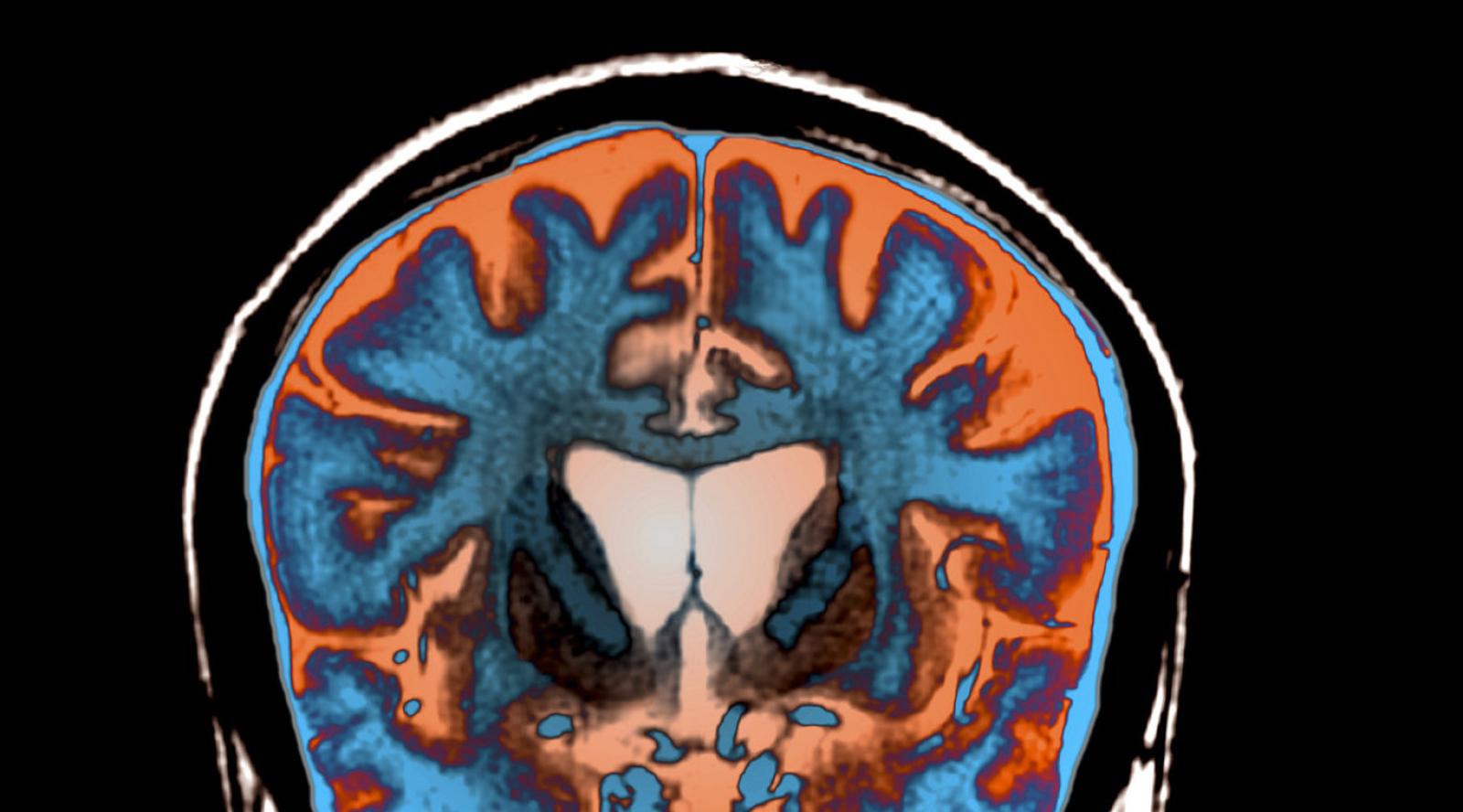
An MRI scan shows signs of atrophy in the brain of a patient with Huntington's disease.
Science Photo Library/Science Source
Researchers have found that aberrant protein aggregates responsible for Huntington’s disease have some weak spots that could be exploited to hinder the development of this pathology. The study, published on Scientific Report, has been conducted by scientists of the Centre for Complexity and Biosystems (CC&B) of the University of Milan, in collaboration with colleagues from Penn State University.