
The mysterious disease that killed 14 people in Uganda since the beginning of July 2012 has finally been identified as the Ebola virus. The Ministry of Health (MoH) of Uganda and a World Health Organisation (WHO) representative reported the news after laboratory confirmation was done by the Uganda Virus Research Institute in Entebbe. A total of 20 total cases have been confirmed in Kibaale district, in the western part of Uganda, nine of which have occurred in a single household. Ebola virus causes haemorrhagic fever and internal bleeding; it is highly infectious as well as contagious.
The MoH coordinates a national task force and is cooperating with stakeholders, WHO and the Center for Disease Control and Prevention (CDC) in order to control the outbreak. Kibaale hospital has established a temporary isolation ward for suspected, probable and confirmed cases, with the collaboration of Médecins Sans Frontières (MSF).
At the moment, WHO does not recommend that any travel or trade restrictions are applied to Uganda.
Ebola outbreak in Uganda
prossimo articolo
We cannot archive Covid-19 yet
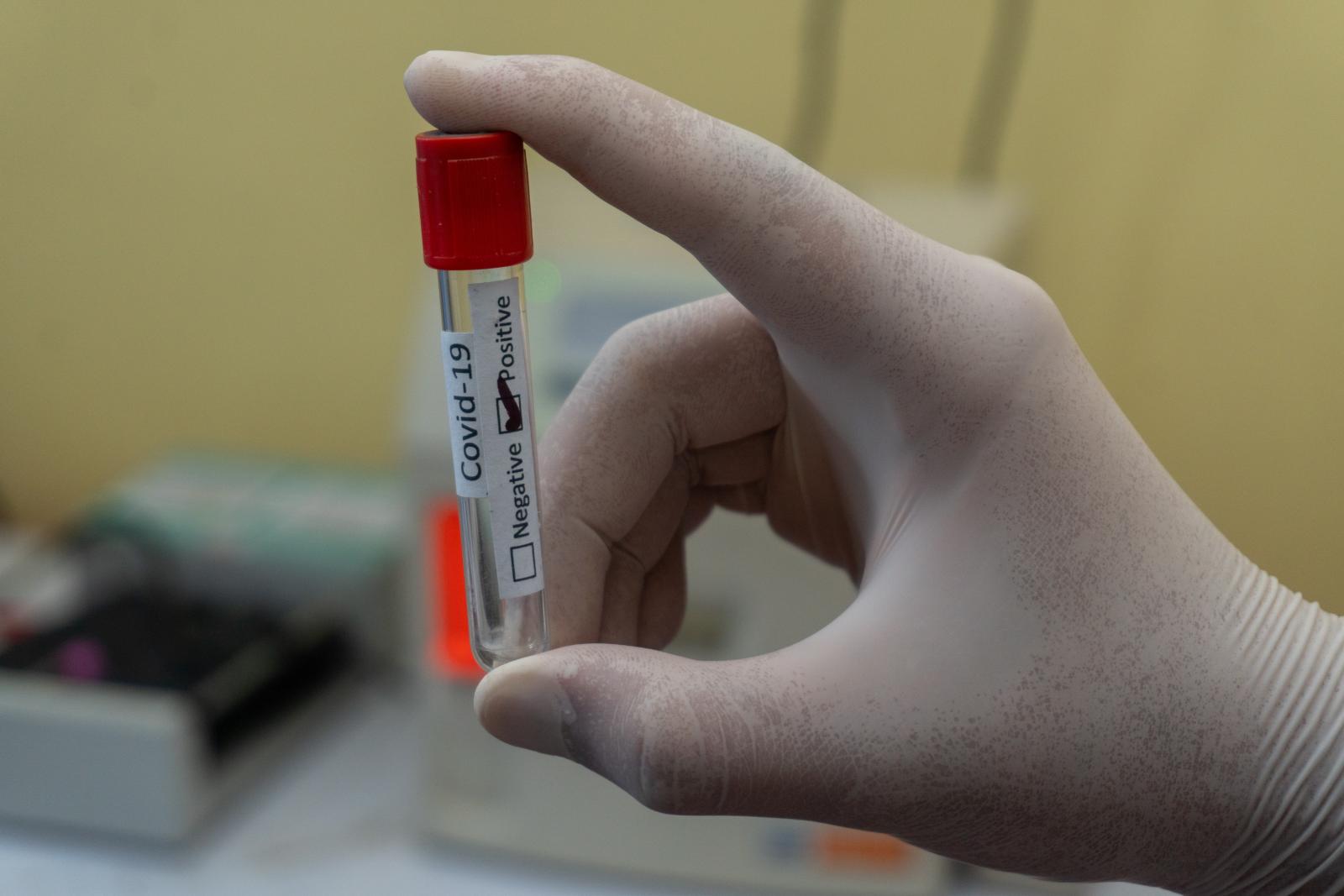
Coexistence with Covid-19 cannot yet be said to be stable, especially due to the great variability of SARS-CoV-2. For this reason, as the number of cases in Italy is increasing, it is necessary to limit the impact of infections by acting on two fronts, which are not alternatives to each other: reduce the share of people who have become partially susceptible and limit the likelihood of the emergence of new variants.
Image credits: Prasesh Shiwakoti (Lomash)/Unsplash
Several attempts have been made to archive Covid-19, trying to leave behind an experience worthy of the worst dystopian novel (about 770 million officially registered cases worldwide and an estimated 18 million deaths), but it seems that the anticipated "coexistence" with the family of viruses has not yet stabilized, and it will take several years to get there.