
The mysterious disease that killed 14 people in Uganda since the beginning of July 2012 has finally been identified as the Ebola virus. The Ministry of Health (MoH) of Uganda and a World Health Organisation (WHO) representative reported the news after laboratory confirmation was done by the Uganda Virus Research Institute in Entebbe. A total of 20 total cases have been confirmed in Kibaale district, in the western part of Uganda, nine of which have occurred in a single household. Ebola virus causes haemorrhagic fever and internal bleeding; it is highly infectious as well as contagious.
The MoH coordinates a national task force and is cooperating with stakeholders, WHO and the Center for Disease Control and Prevention (CDC) in order to control the outbreak. Kibaale hospital has established a temporary isolation ward for suspected, probable and confirmed cases, with the collaboration of Médecins Sans Frontières (MSF).
At the moment, WHO does not recommend that any travel or trade restrictions are applied to Uganda.
Ebola outbreak in Uganda
Autori:
Sezioni:
Dossier:
Indice:
Virus
prossimo articolo
Approved the law for the restoration of European nature, but it's a half victory
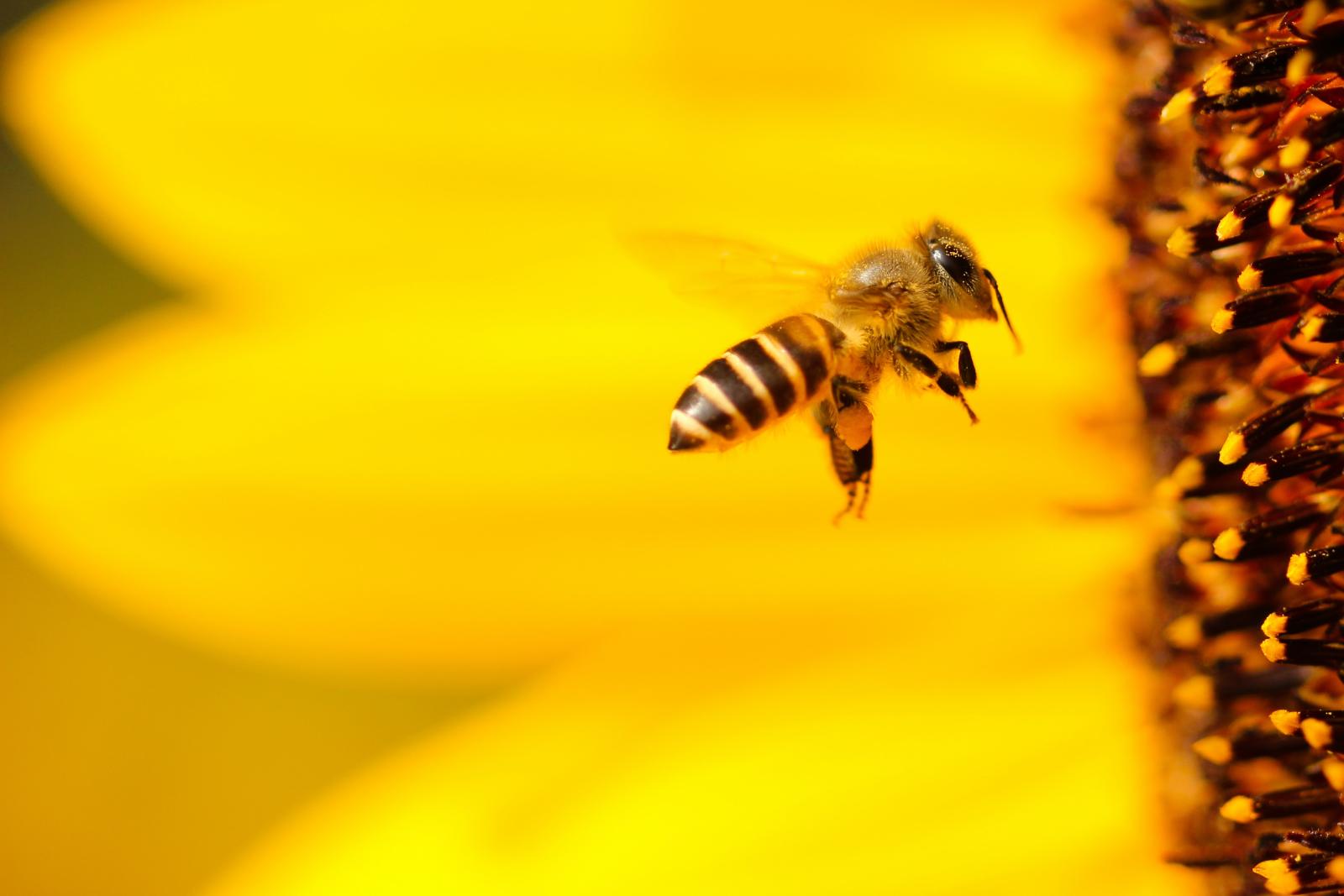
On November 9, the European Council approved the Nature Restoration Law, a regulation for the restoration of ecosystems. A much-hoped-for victory that leaves a bitter taste: the adopted regulation emerges from more than a year of negotiations that have significantly weakened it in substance. The risk is that the objectives lose their concreteness in implementation.
Crediti foto Boris Smokrovic su Unsplash
On November 9, the European Council, the body defining the EU's policy directions, approved the Nature Restoration Law, one of the four main pillars of the European biodiversity strategy for 2030. A great achievement, yet leaving a bit of bitterness, considering the approved regulation was significantly weakened compared to the original.