



fbpx Il (vero) benessere non si misura solo col PIL | Scienza in rete

Il (vero) benessere non si misura solo col PIL

--
Tempo di lettura: 2 mins

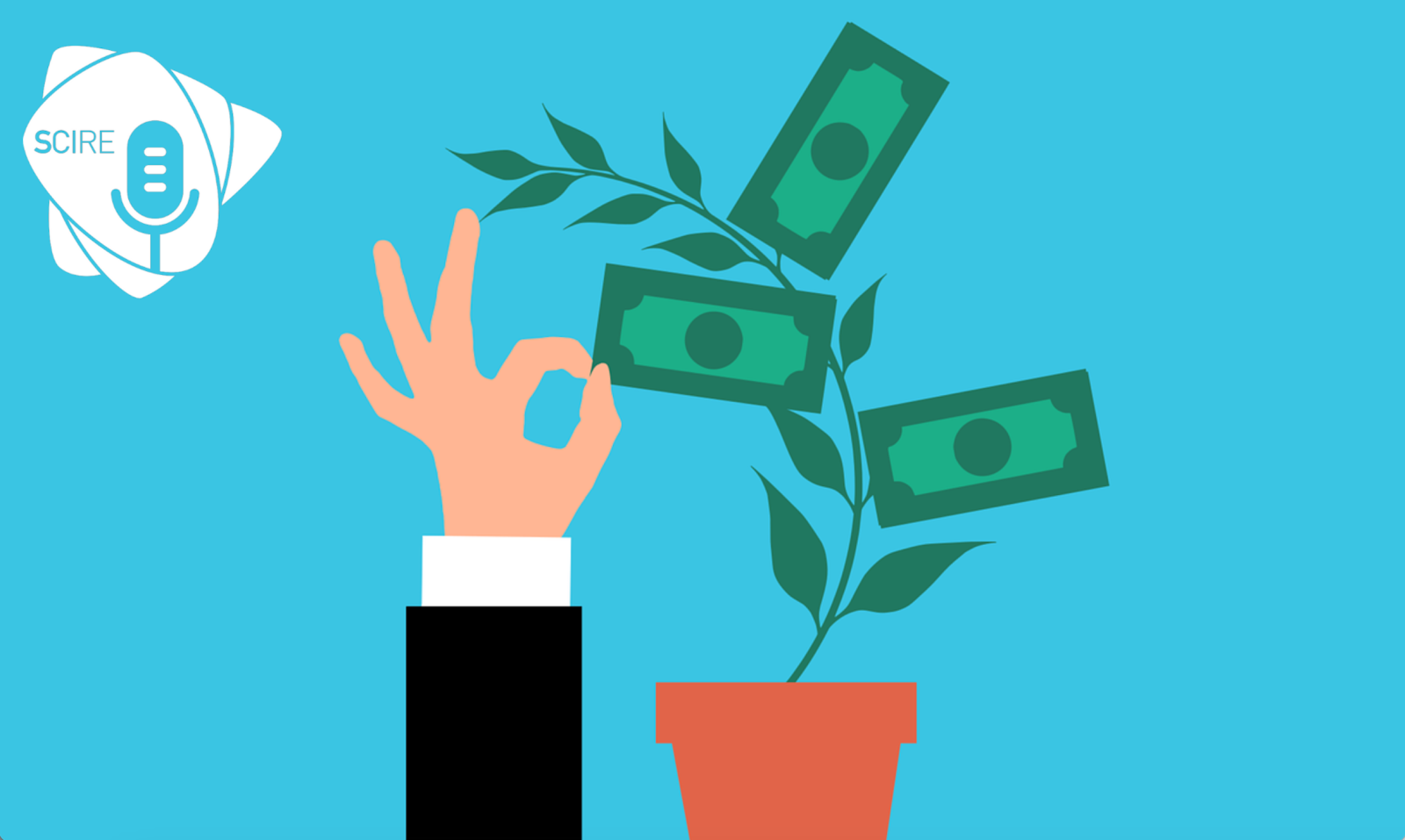
Lo stato di benessere del mondo, lo sappiamo, viene misurato con il Prodotto Interno Lordo (il Gross Domestic Product, GDP). Lo si fa da poco prima che la Seconda Guerra Mondiale finisse, quando si inventò un indicatore che misurasse quantitativamente lo stato dell’economia americana. Da lì è cambiato ben poco, anche se nel tempo abbiamo capito che usare solo quest’unico indicatore economico sia estremamente riduttivo per misurare davvero il benessere dei paesi.

Perché siamo ancora intrappolati nel PIL? Cosa succede se si misura il benessere con indicatori più ricchi di dati? L’abbiamo chiesto a Enrico Giovannini – due volte Ministro, ex Presidente ISTAT, fondatore di ASviS e docente di economia a Tor Vergata – che ci ha parlato del rapporto Measuring sustainable and inclusive wellbeing: a multidimensional dashboard approach. Il documento, di cui è co-autore per il Joint Research Centre, analizza l’andamento del benessere in Europa tra il 2011 e il 2022 basandosi su una rosa di ben 140 indicatori.

 

Intervista, musica e montaggio: Jacopo Mengarelli
Fonti
European Commission: Joint Research Centre, Benczur, P., Boskovic, A., Giovannini, E., Pagano, A. And Sandor, A.-M., Measuring sustainable and inclusive wellbeing: a multidimensional dashboard approach, 2025, https://data.europa.eu/doi/10.2760/4186342
Audio
EU President Von der Leyen debates the 2023 Sustainable Development Goals at UNGA, EU Debates
Otto e mezzo - Governo: bene il Pil, male i sondaggi (Puntata 30/04/2019), La7 Attualità
Star-Spangled Banner, YouTube Audio Library
'Rich cause problem, poor pay price,' says UN chief at COP, @Channel4News
Robert Kennedy on measuring wealth (1968), Kalen Academy
Trump 'there are only two genders', Daily Mail
Articoli correlati

Scienza in rete è un giornale senza pubblicità e aperto a tutti per garantire l’indipendenza dell’informazione e il diritto universale alla cittadinanza scientifica. Contribuisci a dar voce alla ricerca sostenendo Scienza in rete. In questo modo, potrai entrare a far parte della nostra comunità e condividere il nostro percorso. Clicca sul pulsante e scegli liberamente quanto donare! Anche una piccola somma è importante. Se vuoi fare una donazione ricorrente, ci consenti di programmare meglio il nostro lavoro e resti comunque libero di interromperla quando credi.


prossimo articolo

The Log and the Speck: The True Causes of Wildfires and Floods

The Parable of the Speck and the Log. Ottmar Ellinger the Younger

The wildfires in Los Angeles and other extreme events, as well as their media coverage, highlight how immediate causes often overshadow the real issue: climate change, which increases the intensity and frequency of catastrophic phenomena. Tackling this crisis requires urgent action to reduce greenhouse gas emissions using already available technologies and investments to strengthen territorial resilience. Only a combination of mitigation and adaptation can prevent irreversible damage, ensuring a sustainable future for the next generations.

In the image: The Parable of the Speck and the Log. Ottmar Ellinger the Younger

Even in the face of the vast Los Angeles wildfires—still ongoing—as in other recent circumstances, the media's attention is primarily focused on the most immediate and “proximal” causes: the malfunctioning of the power grid, insufficient water reserves, the unpreparedness of newly hired firefighters, and so on.