



fbpx Il (vero) benessere non si misura solo col PIL | Scienza in rete

Il (vero) benessere non si misura solo col PIL

--
Tempo di lettura: 2 mins

Lo stato di benessere del mondo, lo sappiamo, viene misurato con il Prodotto Interno Lordo (il Gross Domestic Product, GDP). Lo si fa da poco prima che la Seconda Guerra Mondiale finisse, quando si inventò un indicatore che misurasse quantitativamente lo stato dell’economia americana. Da lì è cambiato ben poco, anche se nel tempo abbiamo capito che usare solo quest’unico indicatore economico sia estremamente riduttivo per misurare davvero il benessere dei paesi.

Perché siamo ancora intrappolati nel PIL? Cosa succede se si misura il benessere con indicatori più ricchi di dati? L’abbiamo chiesto a Enrico Giovannini – due volte Ministro, ex Presidente ISTAT, fondatore di ASviS e docente di economia a Tor Vergata – che ci ha parlato del rapporto Measuring sustainable and inclusive wellbeing: a multidimensional dashboard approach. Il documento, di cui è co-autore per il Joint Research Centre, analizza l’andamento del benessere in Europa tra il 2011 e il 2022 basandosi su una rosa di ben 140 indicatori.
 

Intervista, musica e montaggio: Jacopo Mengarelli
Fonti
European Commission: Joint Research Centre, Benczur, P., Boskovic, A., Giovannini, E., Pagano, A. And Sandor, A.-M., Measuring sustainable and inclusive wellbeing: a multidimensional dashboard approach, 2025, https://data.europa.eu/doi/10.2760/4186342
Audio
EU President Von der Leyen debates the 2023 Sustainable Development Goals at UNGA, EU Debates
Otto e mezzo - Governo: bene il Pil, male i sondaggi (Puntata 30/04/2019), La7 Attualità
Star-Spangled Banner, YouTube Audio Library
'Rich cause problem, poor pay price,' says UN chief at COP, @Channel4News
Robert Kennedy on measuring wealth (1968), Kalen Academy
Trump 'there are only two genders', Daily Mail
Articoli correlati

Scienza in rete è un giornale senza pubblicità e aperto a tutti per garantire l’indipendenza dell’informazione e il diritto universale alla cittadinanza scientifica. Contribuisci a dar voce alla ricerca sostenendo Scienza in rete. In questo modo, potrai entrare a far parte della nostra comunità e condividere il nostro percorso. Clicca sul pulsante e scegli liberamente quanto donare! Anche una piccola somma è importante. Se vuoi fare una donazione ricorrente, ci consenti di programmare meglio il nostro lavoro e resti comunque libero di interromperla quando credi.


prossimo articolo

My Portrait of Anthony Fauci

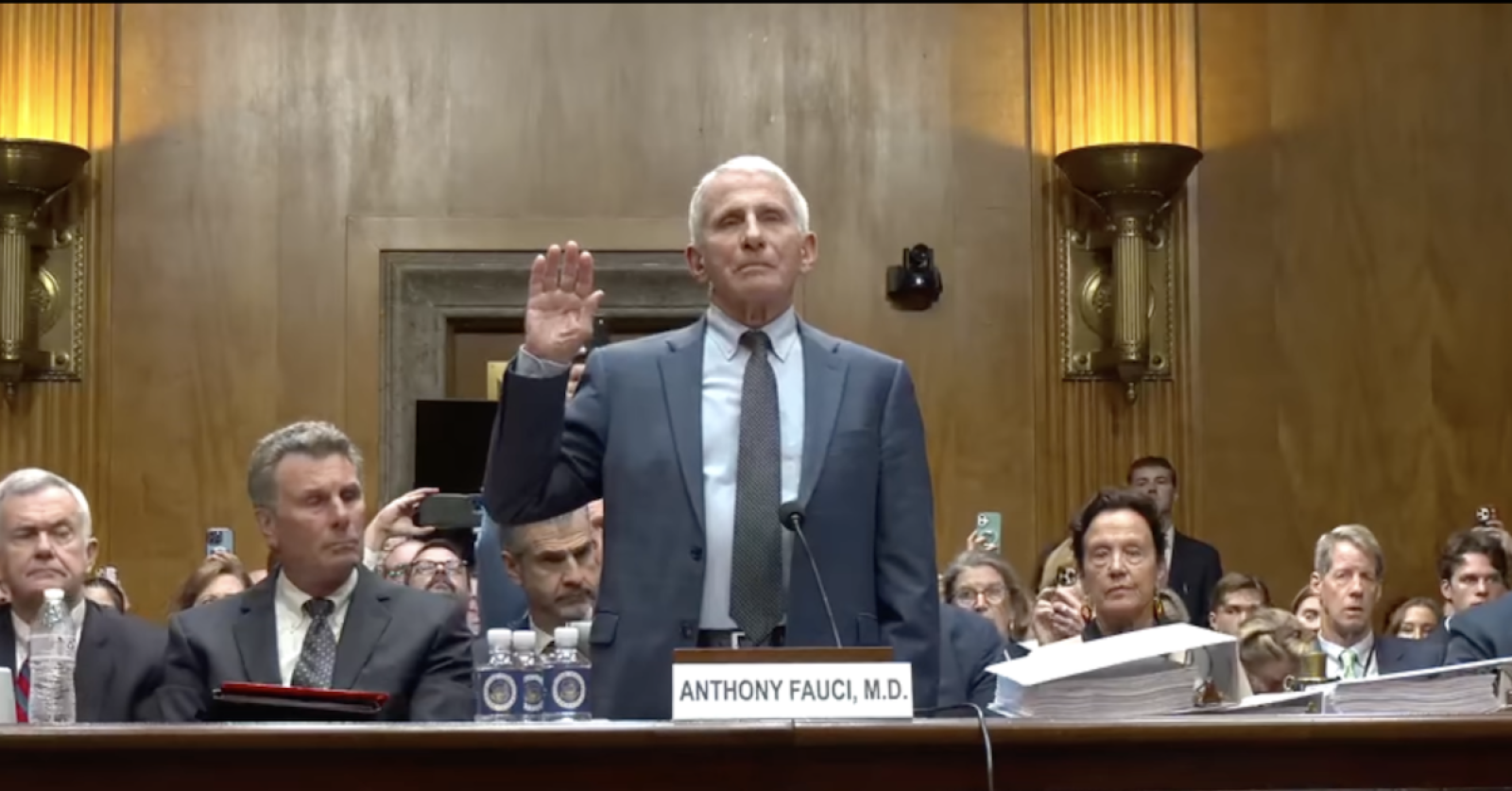
Anthony Fauci, at 85, has been called to testify before the Senate committee investigating the origins of the Covid-19 pandemic, in what feels like a settling of scores by the very party that, at the time, was recommending chloroquine as a defence. The eminent physician is once again at the centre of controversy, not least for choosing to invoke the Fifth Amendment rather than answer questions. Guido Poli, immunologist at the San Raffaele Hospital and president of Patto Trasversale per la Scienza, who worked with him for many years, recalls in this article Tony Fauci's battles in the history of American and international public health, from AIDS to the pandemic. The image is taken from the footage (public domain) of A. Fauci's hearing on 29 July 2026 before the Senate Homeland Security and Governmental Affairs Committee.

In recent days, Anthony (“Tony”) Fauci has once again become a prominent figure in the international media, and to some extent in Italy as well. As the physician-scientist who has played one of the leading roles in U.S. public health over the past several decades, he became known throughout the world during the darkest days of the COVID-19 pandemic. Having had the privilege and good fortune to work with him from 1986 to 1993, I would like to offer my personal account of the scientist and the man.