




fbpx W la matematica! | Scienza in rete

W la matematica! Intervista a Cristiana De Filippis

--
Tempo di lettura: 1 min

A cosa servono le equazioni differenziali? Perché ci sono poche donne che si iscrivono a dottorati di matematica e statistica? Perché non capirci niente di matematica dovrebbe essere considerato tanto grave quanto non conoscere Dante e la storia dell'Unità d'Italia? Di tutto questo parliamo in questo podcast con Cristiana De Filippis, ricercatrice al Dipartimento di Scienze Matematiche Fisiche e Informatiche dell'Università di Parma, vincitrice del premio dell’Accademia dei Lincei "Gioacchino Iapichino" nel 2020 e membro dell’Accademia della Società Matematica Europea.
 

Intervista, musica e montaggio: Jacopo Mengarelli. Crediti immagine di copertina: rielaborazione da Ashraful, CC BY-SA 3.0.

Scienza in rete è un giornale senza pubblicità e aperto a tutti per garantire l’indipendenza dell’informazione e il diritto universale alla cittadinanza scientifica. Contribuisci a dar voce alla ricerca sostenendo Scienza in rete. In questo modo, potrai entrare a far parte della nostra comunità e condividere il nostro percorso. Clicca sul pulsante e scegli liberamente quanto donare! Anche una piccola somma è importante. Se vuoi fare una donazione ricorrente, ci consenti di programmare meglio il nostro lavoro e resti comunque libero di interromperla quando credi.


prossimo articolo

We cannot archive Covid-19 yet

Coexistence with Covid-19 cannot yet be said to be stable, especially due to the great variability of SARS-CoV-2. For this reason, as the number of cases in Italy is increasing, it is necessary to limit the impact of infections by acting on two fronts, which are not alternatives to each other: reduce the share of people who have become partially susceptible and limit the likelihood of the emergence of new variants.

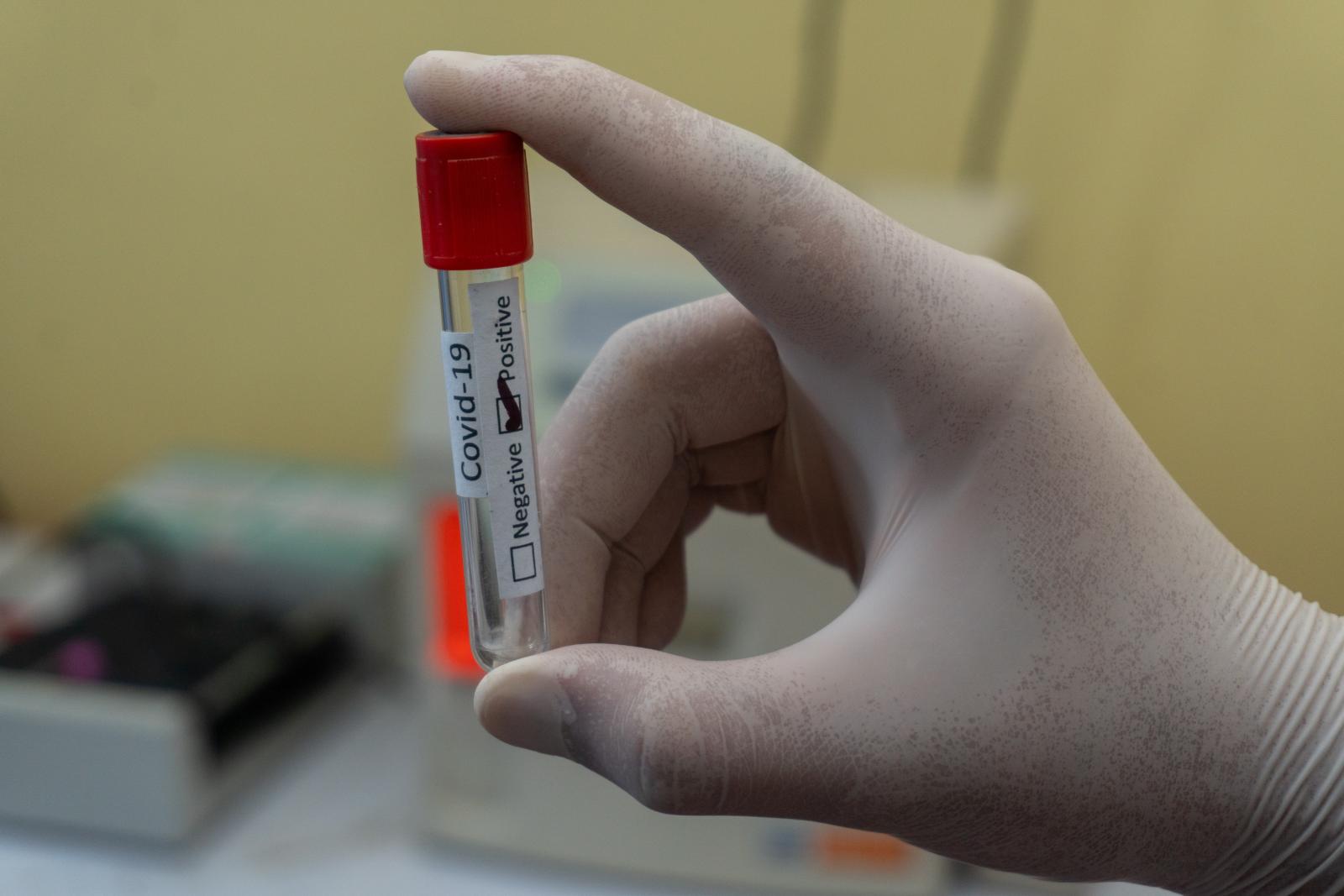
Image credits: Prasesh Shiwakoti (Lomash)/Unsplash

Several attempts have been made to archive Covid-19, trying to leave behind an experience worthy of the worst dystopian novel (about 770 million officially registered cases worldwide and an estimated 18 million deaths), but it seems that the anticipated "coexistence" with the family of viruses has not yet stabilized, and it will take several years to get there.