
fbpx Compulsory vaccination and rates of coverage immunisation in Europe | Science in the net

Compulsory vaccination and rates of coverage immunisation in Europe

Tempo di lettura: 2 mins

Article published on the ASSET website

High rates of vaccination coverage in childhood are main indicators for public health. However, reaching and maintaining such a target is not always an easy task for public health institutions, and the spread of vaccine refusal and hesitancy is making this even harder.

Enforcing mandatory vaccinations is one of the strategies that some countries adopted and others are considering in order to face this issue. Depending on local legislations, legal consequences for those who do not accept the uptake can be very different, ranging from pecuniary penalties to hurdles to attend public schools. In some cases, parents may even incur penal consequences, as it recently happened in France, were two parents refusing to vaccinate their children risked a jail sentence. Nevertheless, the efficacy of such an approach has been questioned.

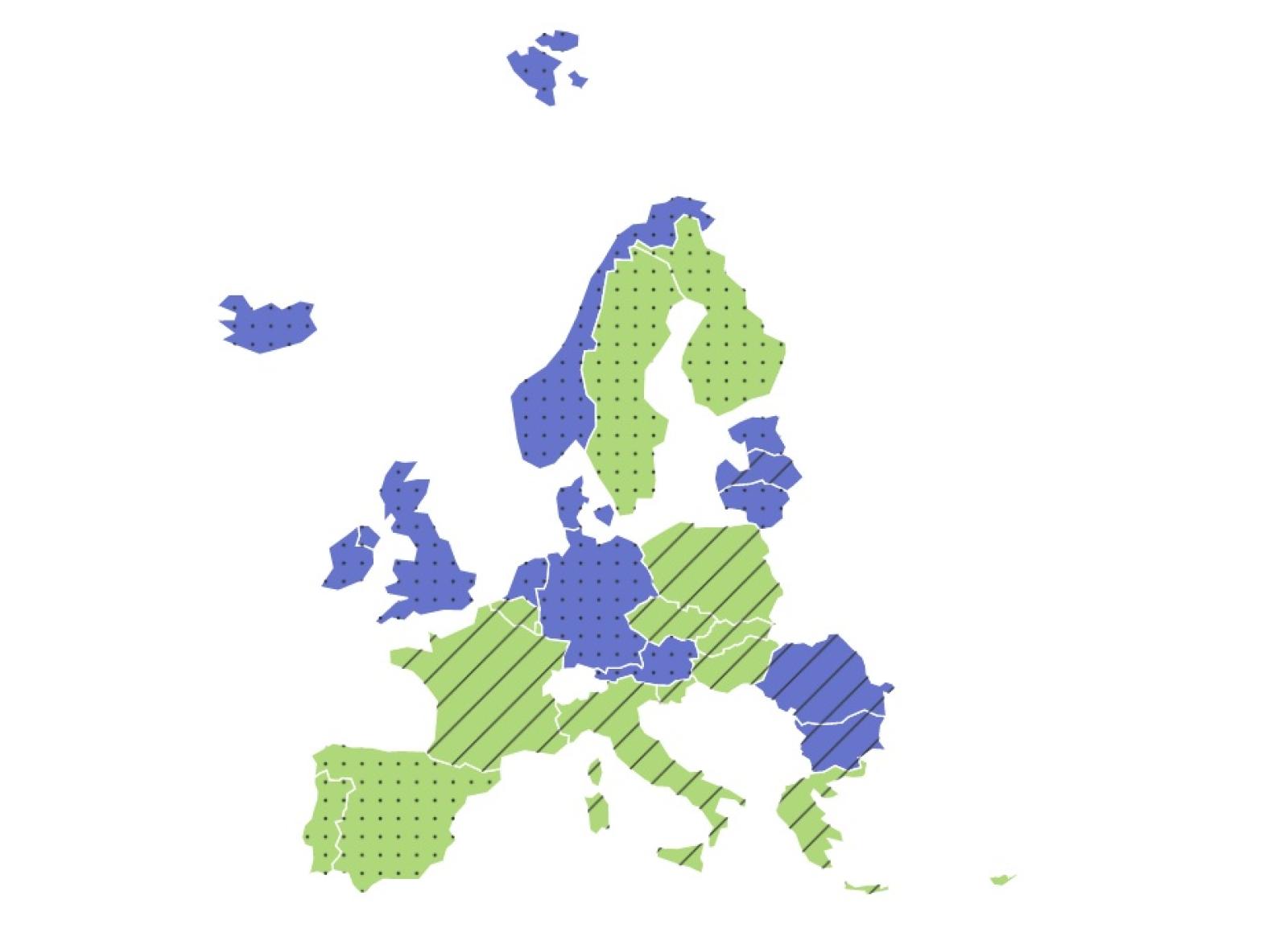
ASSET performed an analysis on the issue, comparing coverage rates of immunisation against polio (Pol3), measles (MCV1) and pertussis containing vaccines (DTP3)* in European Union/European Economic Area (EU/EEA) countries, where, according to different policies, these vaccinations are either mandatory or recommended.

This comparison cannot confirm any relationship between mandatory vaccination and rates of childhood immunization in the EU/EEA countries.


* In some countries, such as Italy, vaccination against pertussis is highly recommended but not compulsory, while those against diphteria and tetanus on the contrary are, but the three are usually administered in one single shot.


Scienza in rete è un giornale senza pubblicità e aperto a tutti per garantire l’indipendenza dell’informazione e il diritto universale alla cittadinanza scientifica. Contribuisci a dar voce alla ricerca sostenendo Scienza in rete. In questo modo, potrai entrare a far parte della nostra comunità e condividere il nostro percorso. Clicca sul pulsante e scegli liberamente quanto donare! Anche una piccola somma è importante. Se vuoi fare una donazione ricorrente, ci consenti di programmare meglio il nostro lavoro e resti comunque libero di interromperla quando credi.


prossimo articolo

No, the wildfires in California are not "ideological"

Rampini from the Corriere includes a series of errors and inaccuracies to support the unbearable rhetoric of “ideology” in the ecological transition and even in climate physics. Contrary to what he claims, the probability and intensity of wildfires are increasing due to the very "human" climate changes. Of course, solutions also involve proper management of vegetation and infrastructure, but this should not overshadow the goal of achieving net-zero emissions. Especially after 2024, which for the first time surpassed an average temperature of 1.5°C.

This topic is also addressed in the guide Extreme Weather Events and Climate Change: A Guide for Journalists, which the Climate Media Center Italia has translated into Italian from the original by World Weather Attribution.

Image: California wildfires photographed by the European Union, Copernicus Sentinel-3 imagery

Federico Rampini continues his battle against the “ideologies” of ecological transition.