
fbpx La rivoluzione di CRISPR-Cas9 | Science in the net

La rivoluzione di CRISPR-Cas9

Tempo di lettura: 1 min

Il Festival della Scienza si è appena concluso con una lectio magistralis dedicata a CRISPR-Cas9. Una tecnologia molto recente che consente di introdurre cambiamenti nel genoma di cellule viventi in modo rapido, efficiente, semplice e poco costoso. I suoi elementi fondamentali sono la specificità e la versatilità. CRISPR-Cas9 porterà ad una accelerazione straordinaria della nostra comprensione della biologia. Con Pier Giuseppe Pelicci, direttore della ricerca dell’'Istituto Europeo di Oncologia (IEO) abbiamo analizzato le promesse e alcune perplessità legate a questa tecnologia.

Scienza in rete è un giornale senza pubblicità e aperto a tutti per garantire l’indipendenza dell’informazione e il diritto universale alla cittadinanza scientifica. Contribuisci a dar voce alla ricerca sostenendo Scienza in rete. In questo modo, potrai entrare a far parte della nostra comunità e condividere il nostro percorso. Clicca sul pulsante e scegli liberamente quanto donare! Anche una piccola somma è importante. Se vuoi fare una donazione ricorrente, ci consenti di programmare meglio il nostro lavoro e resti comunque libero di interromperla quando credi.


prossimo articolo

Nature Restoration Law: We Approve the Law for the Future of European Nature

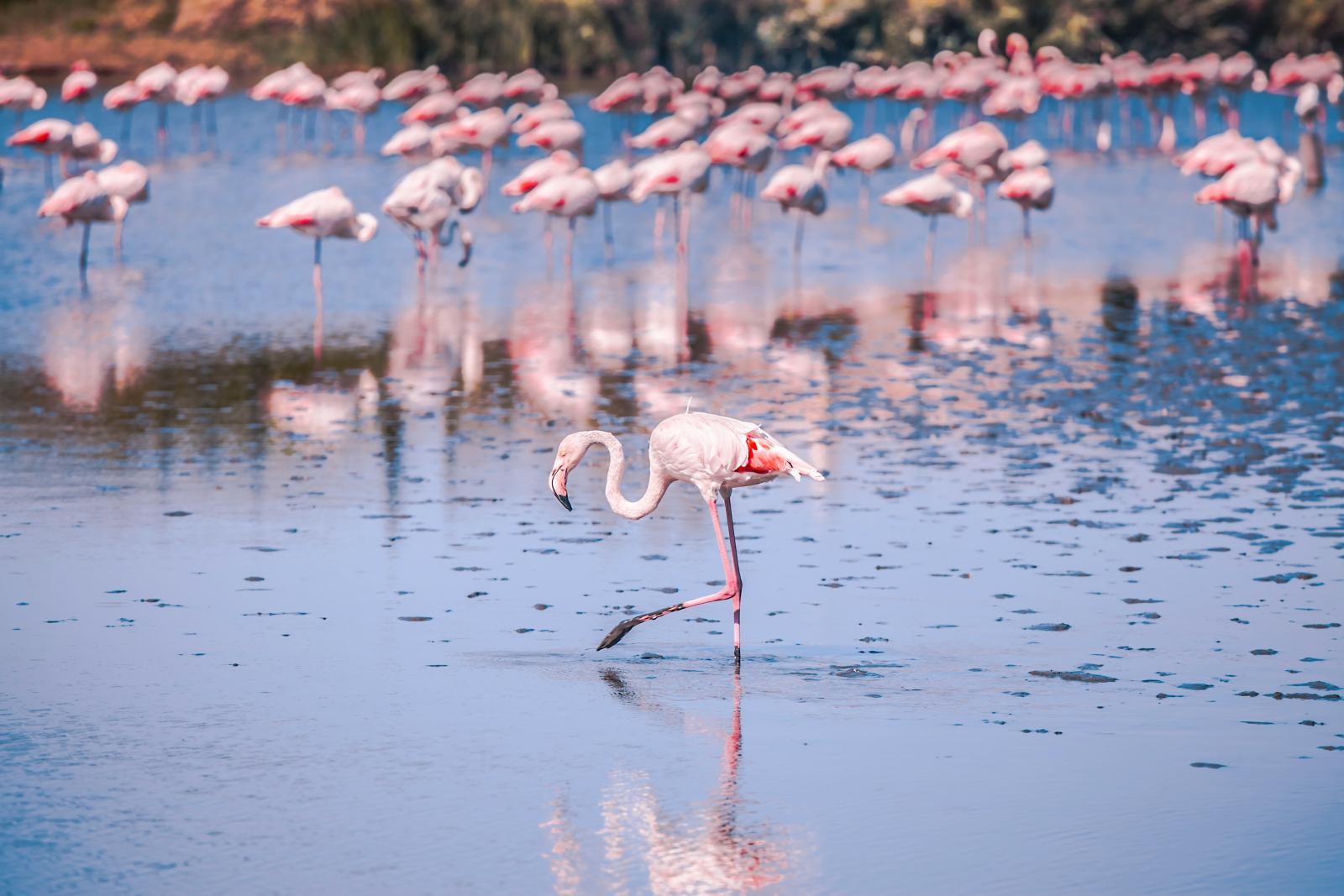
fenicotteri

On the upcoming July 12, the European Parliament will decide the fate of one of the most ambitious initiatives in support of European nature, the Nature Restoration Law, a legislative proposal aimed at restoring European natural habitats. Now more than ever, it is crucial to defend this law and push for its approval.

In Italy, the Manifesto for the Nature Restoration Law has been published, an initiative that has so far received the support of over 150 associations, 4,000 scientists, dozens of large companies, and over one million signatures from individual citizens (here is the registration form).

Image credits: JD design - Unsplash

Making the protection of nature and the restoration of habitats a legal obligation: this is the purpose of the new European regulation proposal, the Nature Restoration Law. An ambitious proposal, but crucial for making the European Green Deal something concrete.