
fbpx The efficacy of mandatory vaccinations. An ASSET analysis | Science in the net

The efficacy of mandatory vaccinations. An ASSET analysis

Primary tabs

Read time: 2 mins

Article published on the ASSET website

The recent case of the French parents who risked a jail sentence for refusing to vaccinate their children reignited the intense debate over mandatory vaccinations, whose efficacy as an instrument to maintain high level of vaccine coverage has been questioned. A study performed by experts from the ASSET project found no evidence of a relationship between mandatory vaccinations and rates of childhood immunization in European countries.

The authors of the research gathered data on all the countries within the European Economic Area; information on policies of mandatory or recommended vaccinations came from the VENICE project while those on childhood immunisation coverage were obtained from UNICEF. The analysis focused on three relevant vaccinations, on which different policies have been adopted in different countries: polio (Pol3), measles (MCV1) and pertussis containing vaccines (DTP3).

From 2007 to 2013, the enforcement of mandatory vaccinations does not appear to be relevant in determining childhood immunisation rate in the analysed countries. Those where a vaccination is mandatory do not usually reach better coverage than neighbour or similar countries where there is no legal obligation.

The study did not take into account the differences that exist on local legislations about how to enforce the obligation. Moreover, it lacks of information on possible changes in national vaccination policies, such as a switch from recommendation to compulsoriness. However, it seems to suggest that making vaccines mandatory does not necessarily increase vaccine coverage and that other factors – such as, for instance, difficulties of healthcare systems in reaching all children – could be involved. 

Scienza in rete è un giornale senza pubblicità e aperto a tutti per garantire l’indipendenza dell’informazione e il diritto universale alla cittadinanza scientifica. Contribuisci a dar voce alla ricerca sostenendo Scienza in rete. In questo modo, potrai entrare a far parte della nostra comunità e condividere il nostro percorso. Clicca sul pulsante e scegli liberamente quanto donare! Anche una piccola somma è importante. Se vuoi fare una donazione ricorrente, ci consenti di programmare meglio il nostro lavoro e resti comunque libero di interromperla quando credi.


prossimo articolo

My Portrait of Anthony Fauci

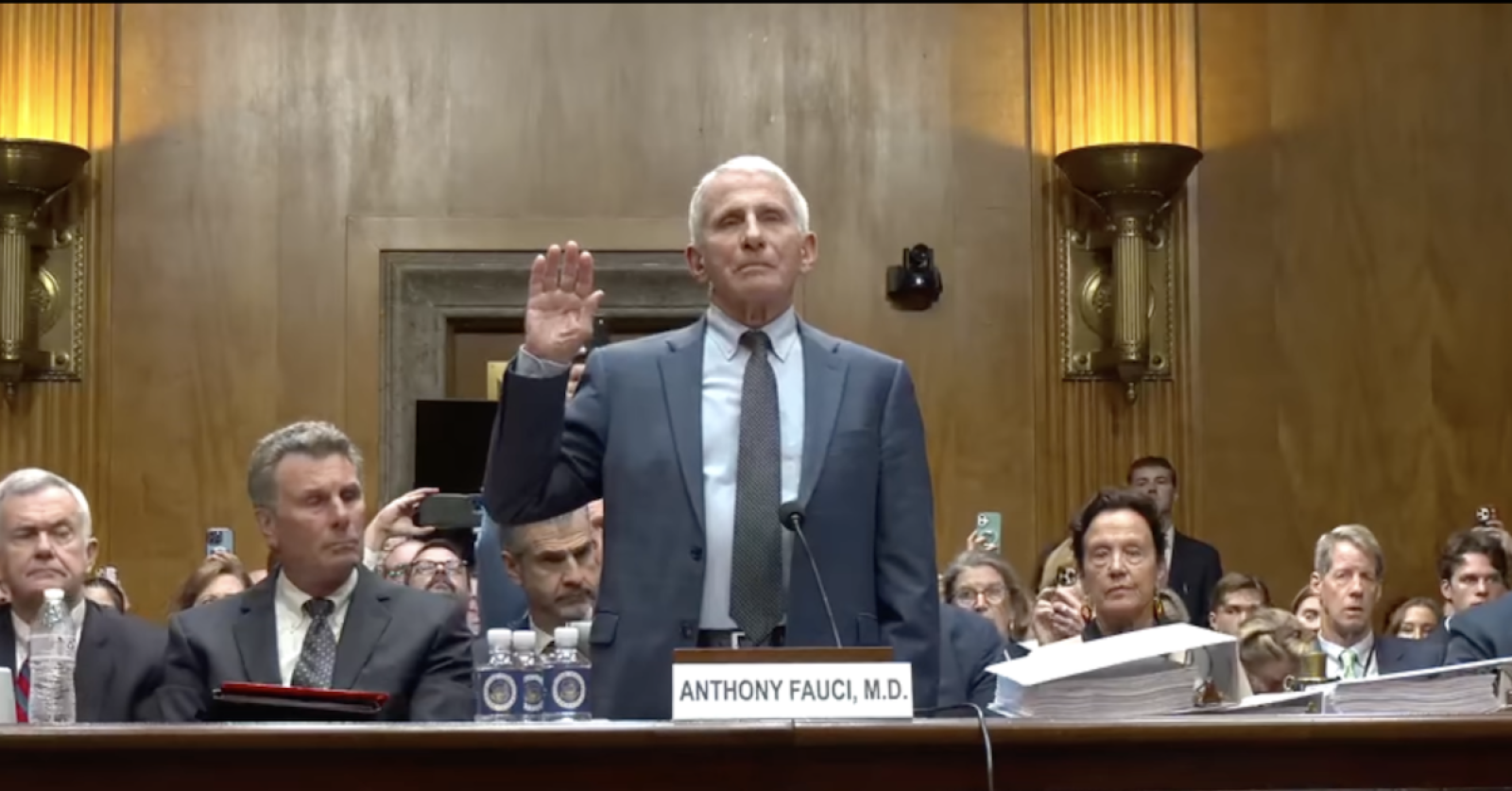
Anthony Fauci, at 85, has been called to testify before the Senate committee investigating the origins of the Covid-19 pandemic, in what feels like a settling of scores by the very party that, at the time, was recommending chloroquine as a defence. The eminent physician is once again at the centre of controversy, not least for choosing to invoke the Fifth Amendment rather than answer questions. Guido Poli, immunologist at the San Raffaele Hospital and president of Patto Trasversale per la Scienza, who worked with him for many years, recalls in this article Tony Fauci's battles in the history of American and international public health, from AIDS to the pandemic. The image is taken from the footage (public domain) of A. Fauci's hearing on 29 July 2026 before the Senate Homeland Security and Governmental Affairs Committee.

In recent days, Anthony (“Tony”) Fauci has once again become a prominent figure in the international media, and to some extent in Italy as well. As the physician-scientist who has played one of the leading roles in U.S. public health over the past several decades, he became known throughout the world during the darkest days of the COVID-19 pandemic. Having had the privilege and good fortune to work with him from 1986 to 1993, I would like to offer my personal account of the scientist and the man.