
From bats to horses, from insects to chimpanzees, a lot of deadly viruses originated in an animal host. In his last book, Spillover, the American science writer David Quammen tells the stories of some of these viruses. We reached him at the Festival della Scienza in Genoa, where he was going to present the book, and asked him some questions.
Pathogens and fear: the double epidemics
prossimo articolo
The Log and the Speck: The True Causes of Wildfires and Floods
di Paolo Vineis
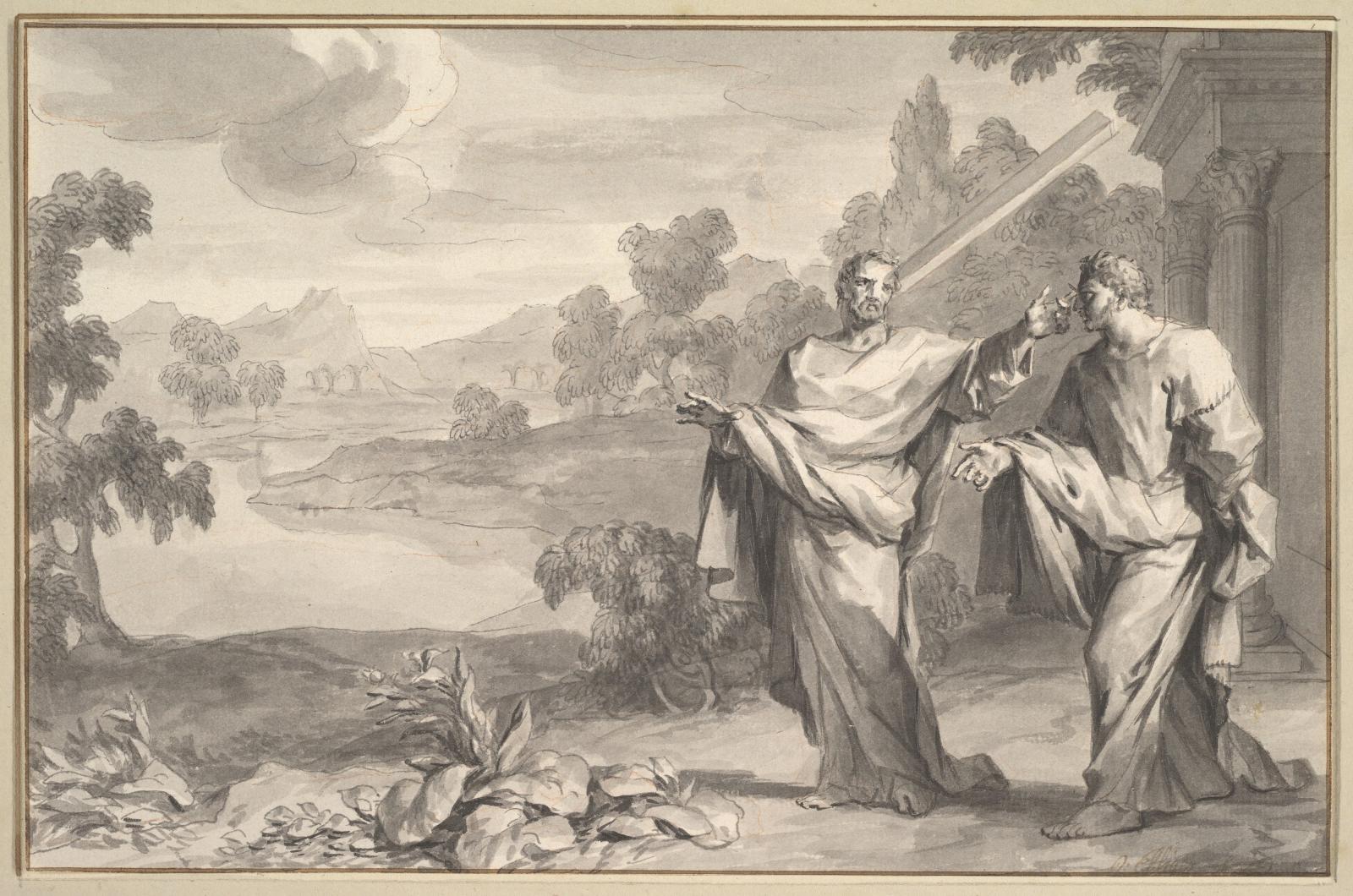
The wildfires in Los Angeles and other extreme events, as well as their media coverage, highlight how immediate causes often overshadow the real issue: climate change, which increases the intensity and frequency of catastrophic phenomena. Tackling this crisis requires urgent action to reduce greenhouse gas emissions using already available technologies and investments to strengthen territorial resilience. Only a combination of mitigation and adaptation can prevent irreversible damage, ensuring a sustainable future for the next generations.
In the image: The Parable of the Speck and the Log. Ottmar Ellinger the Younger
Even in the face of the vast Los Angeles wildfires—still ongoing—as in other recent circumstances, the media's attention is primarily focused on the most immediate and “proximal” causes: the malfunctioning of the power grid, insufficient water reserves, the unpreparedness of newly hired firefighters, and so on.