
The news was officially announced almost simultaneously with the International Women's Day: the United Nations Office for Outer Space Affairs (Unoosa) new Director is the Italian astrophysics Simonetta Di Pippo. For the first time our country is at the top of the body responsible for the programs of the UN to promote international cooperation in the space sector and cut this milestone thanks to the extraordinary professionalism of a woman.
"We are particularly proud of this nomination - said the special commissioner of the Italian Space Agency, Aldo Sandrulli - which will further luster to our country and ASI. It's a job - said Sandrulli - high responsibility to which the Di Pippo came thanks to his undoubted skills and proven professionalism."
"Great satisfaction" was expressed by Foreign Minister Federica Mogherini: "It is a significant recognition - said the Mogherini - Italian excellence in science at an international level."
The astrophysics Italian - born in Rome in 1959 and entered the ASI fine since its founding in 1988 - was director of Human Spaceflight at the European Space Agency and Special Adviser to the Director General, as is the current Head Observatory for the European Space Policy for the Italian Space Agency.
To date, the Di Pippo is also, among other things, co-founder President of the International Women in Aerospace Europe (WIA -E). The Unoosa is based in Vienna and operates mainly through the COPUOS, the Committee of the General Assembly for the peaceful uses of outer space. The Italian ambassador to the United Nations in Vienna Filippo Formica emphasized the value of the appointment of Di Pippo for Italy, which " demonstrates, once more, that the Italian excellence are highly competitive on the international level."
Source: Italian Space Agency
Simonetta Di Pippo is the new UNOOSA Director
prossimo articolo
We cannot archive Covid-19 yet
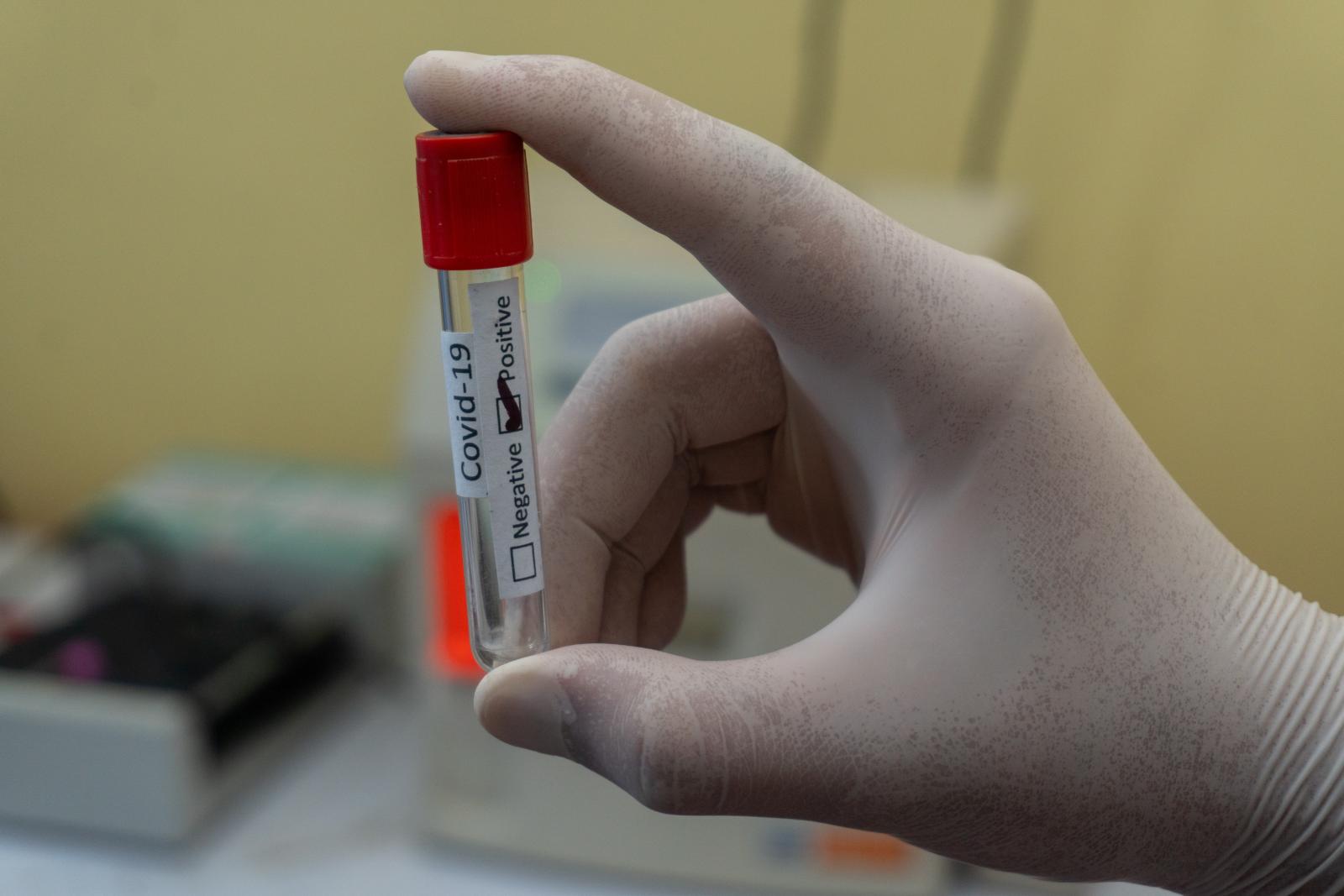
Coexistence with Covid-19 cannot yet be said to be stable, especially due to the great variability of SARS-CoV-2. For this reason, as the number of cases in Italy is increasing, it is necessary to limit the impact of infections by acting on two fronts, which are not alternatives to each other: reduce the share of people who have become partially susceptible and limit the likelihood of the emergence of new variants.
Image credits: Prasesh Shiwakoti (Lomash)/Unsplash
Several attempts have been made to archive Covid-19, trying to leave behind an experience worthy of the worst dystopian novel (about 770 million officially registered cases worldwide and an estimated 18 million deaths), but it seems that the anticipated "coexistence" with the family of viruses has not yet stabilized, and it will take several years to get there.