
Using robots to test evolutionary hypothesis. This is the main purpose of John Long's research. In his laboratory, he and his colleagues build robots with essential bio-realistic animal features, like the ability to behave autonomously. We interviewed him before his lecture at the Festival della Scienza in Genoa.
Evolving robots
Primary tabs
prossimo articolo
President Trump reshapes US research landscape
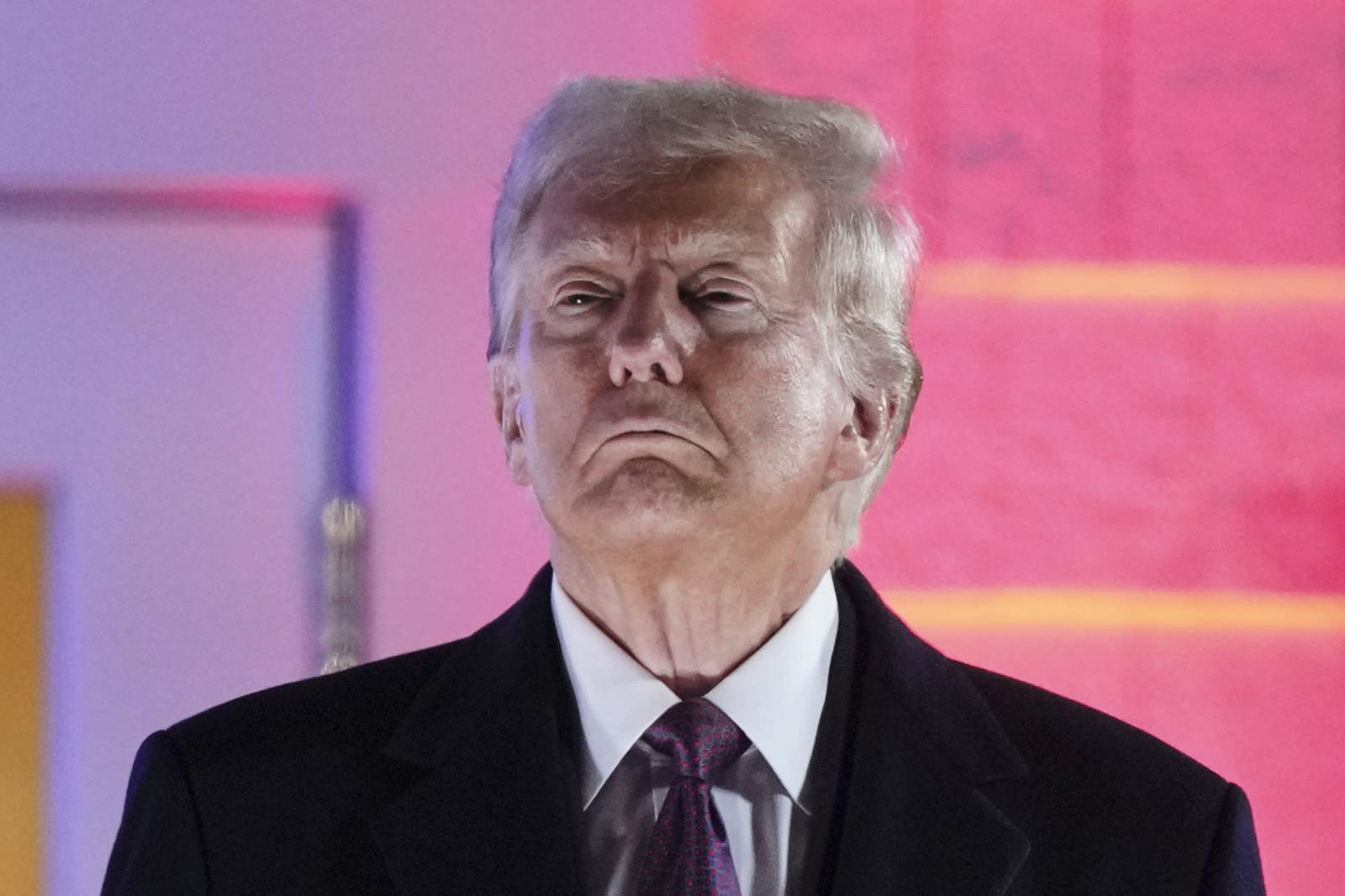
Con una serie di ordini esecutivi, Donald Trump smantella le politiche climatiche di Biden e ritira gli Stati Uniti dall'accordo di Parigi. Le agenzie federali scientifiche (EPA, NIH, CDC, FDA, NASA) vengono ristrutturate con nuove nomine orientate alla deregolamentazione. Vengono congelate le assunzioni federali, mentre la revisione delle collaborazioni internazionali potrebbe ridefinire il ruolo USA nella ricerca globale. Immagine: Donald Trump.
20 January 2025 marks a turning point in US science policy, with a series of executive orders drastically redefining the role of federal science and research agencies. A detailed analysis of the documents reveals an approach that fundamentally changes the basis of US climate, energy and biomedical research policy.
This comprehensive list shows the scope and breadth of the first day's interventions, which touch virtually every aspect of the federal government, from foreign policy to national security, from energy to immigration, from administrative reform to social policy.