
Measles, mumps and rubella outbreaks still represent an healthcare issue, even though major advancements have been done towards their eradication. A poor inclination towards Mmr (measles-mumps-rubella) vaccination may constitute a major cause of increased risk to contract one of these diseases amongst specific population groups like migrants, alternative medicine users, some religious groups, healthcare professionals.
Information on Mmr vaccines coverage amongst these and others “hard-to-reach” groups was included in a document made and published Ecdc in range of the European project Venice II (Vaccine European New Integrated Collaboration Effort II). Main aim of the document was to provide a complete review of measles, mumps and rubella focuses which have been reported in the last twenty years in Europe.
An update on Mmr
Primary tabs
prossimo articolo
The Log and the Speck: The True Causes of Wildfires and Floods
The wildfires in Los Angeles and other extreme events, as well as their media coverage, highlight how immediate causes often overshadow the real issue: climate change, which increases the intensity and frequency of catastrophic phenomena. Tackling this crisis requires urgent action to reduce greenhouse gas emissions using already available technologies and investments to strengthen territorial resilience. Only a combination of mitigation and adaptation can prevent irreversible damage, ensuring a sustainable future for the next generations.
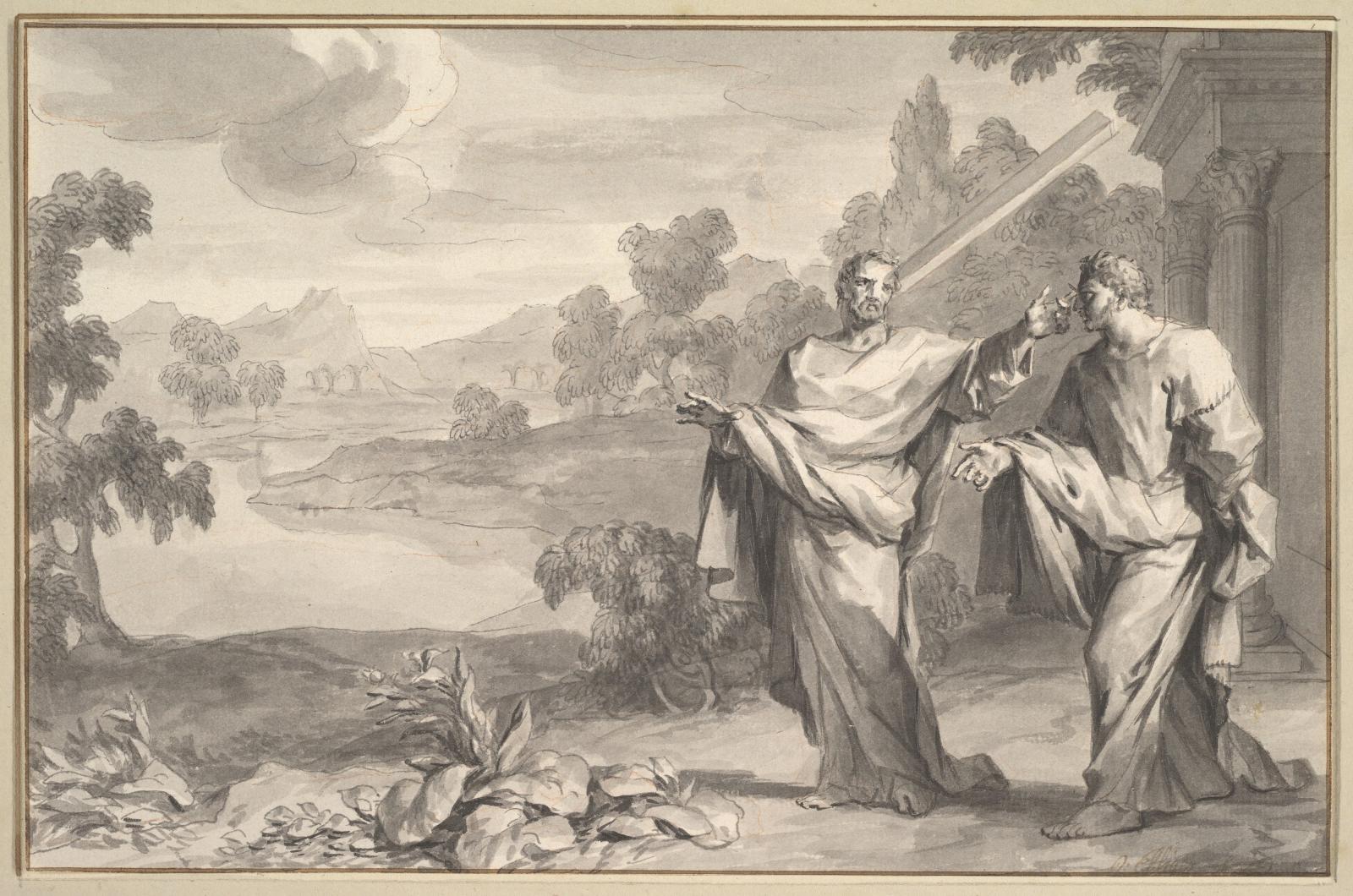
In the image: The Parable of the Speck and the Log. Ottmar Ellinger the Younger
Even in the face of the vast Los Angeles wildfires—still ongoing—as in other recent circumstances, the media's attention is primarily focused on the most immediate and “proximal” causes: the malfunctioning of the power grid, insufficient water reserves, the unpreparedness of newly hired firefighters, and so on.