
fbpx Flu emergency | Page 6 | Science in the net

Flu emergency

Primary tabs

Read time: 1 min

New York citizens are on the hunt for a pharmacy in order to get the last provisions of flu vaccines after the Governor Andrew Cuomo declared a public health emergency throughout the New York State. With more than 19,000 influenza cases – they were 4404 last year – the Big Apple is facing the worst flu season since at least 2009. As a consequences of Cuomo’s decision, pharmacists can now give the flu shot to patients as young as six months of age, while before they were not allowed to do that to anyone under 18 years old.

The flu alarm is not limited to New York: 47 out of 50 States of America are dealing with a particularly strong flu outbreak, with 7.3% of the deaths reported in the first week of the year that have been related to influenza infection. The main viral subtype of this year’s flu seems to be the H3N2, which has been associated with more severe seasons in the past.

http://www.plosone.org/article/info%3Adoi%2F10.1371%2Fjournal.pone.0052814
Autori: 
Sezioni: 
Dossier: 
New York City

prossimo articolo

The Log and the Speck: The True Causes of Wildfires and Floods

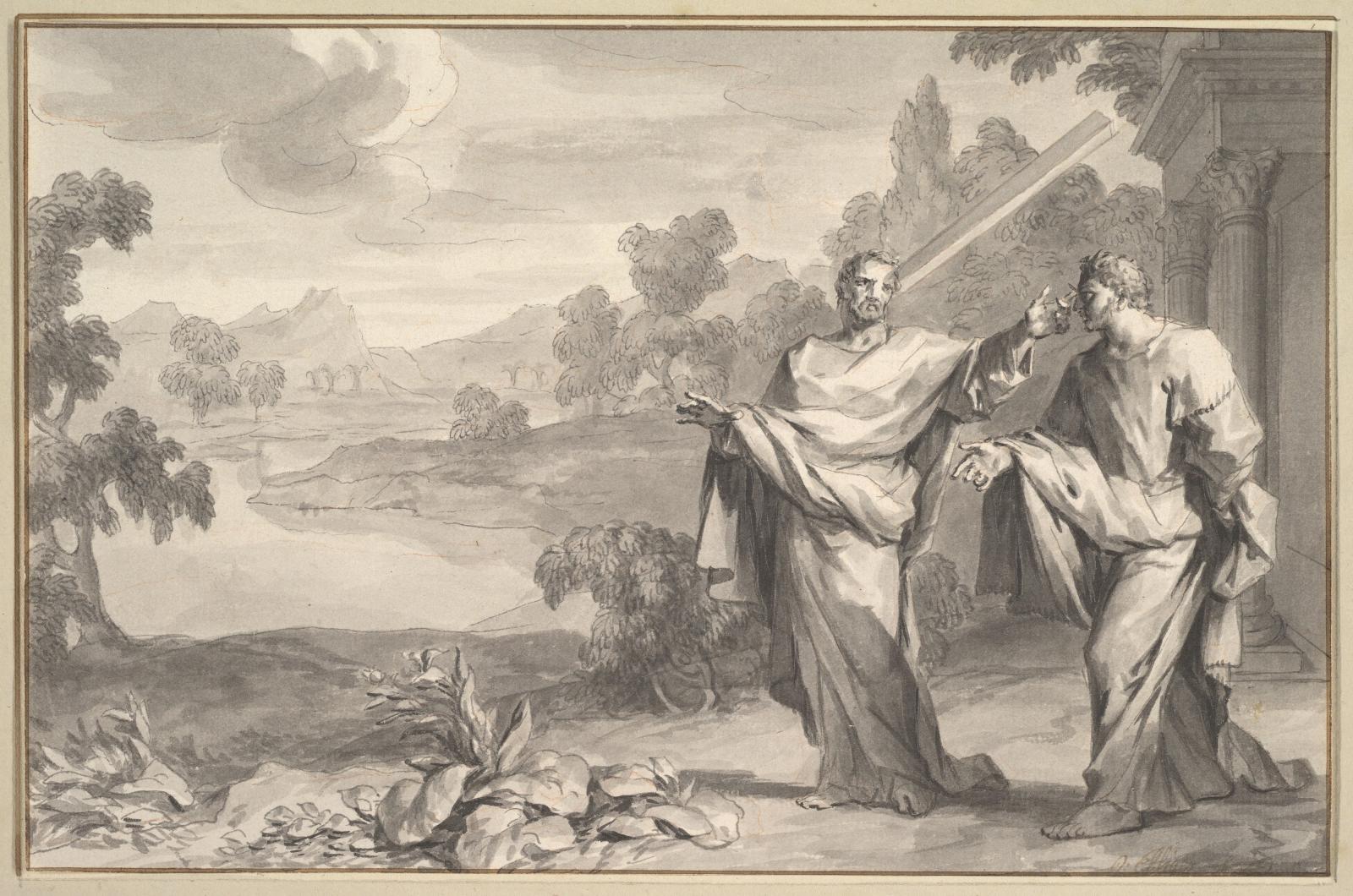
The Parable of the Speck and the Log. Ottmar Ellinger the Younger

The wildfires in Los Angeles and other extreme events, as well as their media coverage, highlight how immediate causes often overshadow the real issue: climate change, which increases the intensity and frequency of catastrophic phenomena. Tackling this crisis requires urgent action to reduce greenhouse gas emissions using already available technologies and investments to strengthen territorial resilience. Only a combination of mitigation and adaptation can prevent irreversible damage, ensuring a sustainable future for the next generations.

In the image: The Parable of the Speck and the Log. Ottmar Ellinger the Younger

Even in the face of the vast Los Angeles wildfires—still ongoing—as in other recent circumstances, the media's attention is primarily focused on the most immediate and “proximal” causes: the malfunctioning of the power grid, insufficient water reserves, the unpreparedness of newly hired firefighters, and so on.