Poor air quality is a major health risk, causing lung diseases, cardiovascular diseases, and cancer. Air pollution also impacts the environment, affecting the quality of fresh water, soil, and ecosystems.
In Europe we are certainly feeling the effects of air pollution. In 2010, more than 400 000 people are estimated to have died prematurely from air pollution in the EU and almost two-thirds of the EU land area was exposed to excess nutrient above safe levels.
Beyond our health and our environment, poor air quality affects our economy. It increases medical costs and damages materials and buildings. The economic cost of the health impacts alone is estimated at EUR 330-940 billion (3-9% of EU GDP).
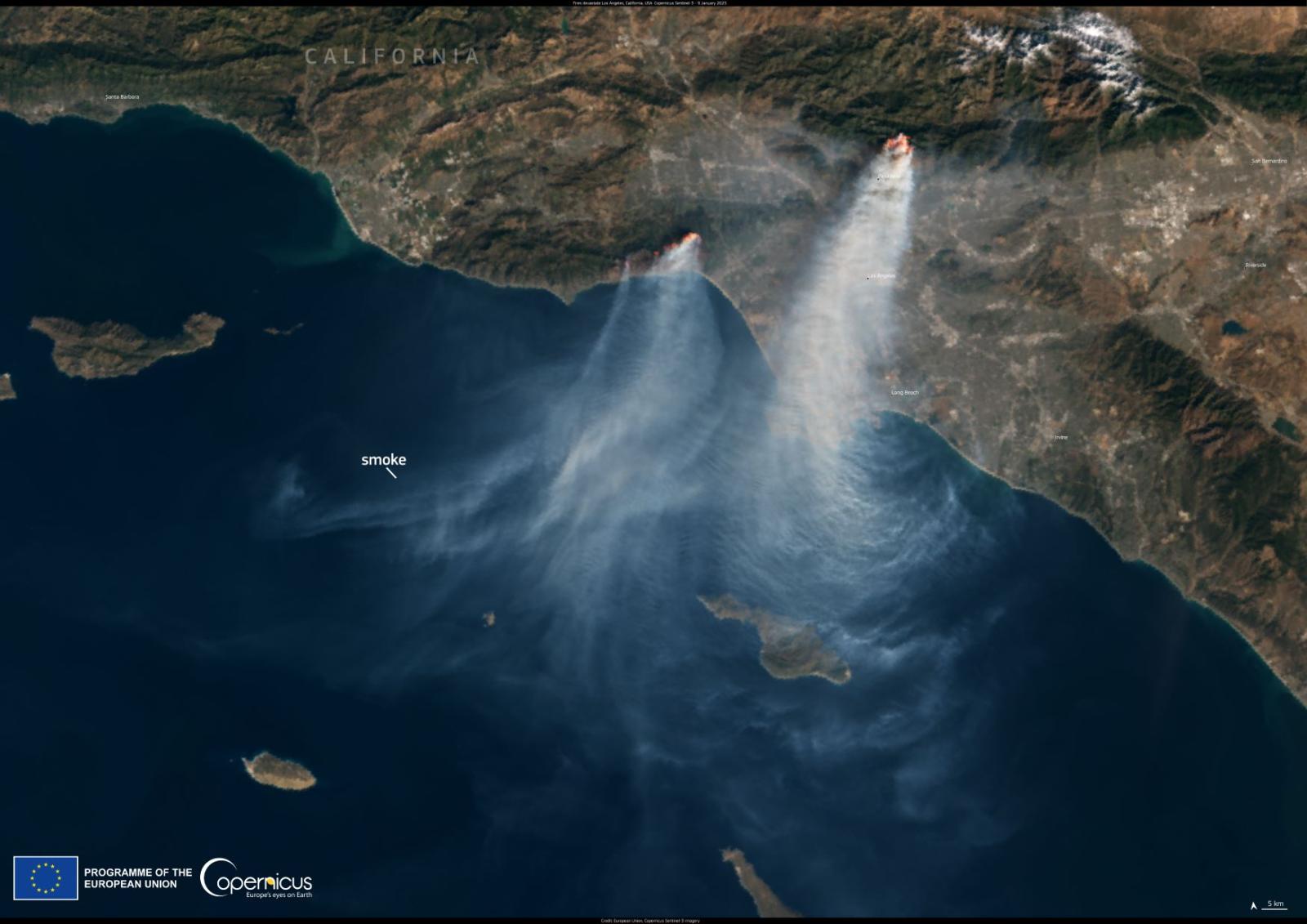
Air pollution is a serious and growing problem around the world, especially in major cities such as Beijing, Bangkok, Mexico City and Los Angeles. There is compelling evidence at international level that air pollution has a serious impact on health. The World Health Organisation (WHO) now classifies air pollution and particulate matter as carcinogenic.
As a consequence of the scale and effects of the problem, the demand for low emission products and production methods is about to increase dramatically. Developing technologies and processes to better monitor, analyse and tackle air pollution will therefore not only benefit our health and environment but also boost innovation and enhance European competitiveness.
European research efforts can help tackle air pollution by, for example, investigating ways to improve clean public transport and transport infrastructure and developing better building insulation; technologies for domestic heating appliances and IT applications that help protect us against peak pollution.
CordisEuropa