
The effectiveness of the pandemic H1N1 influenza vaccination program, introduced in Scotland in October 2009, has been assessed by a team of researchers from different Scottish and French institutions, coordinated by Dr. Colin Simpson, from the University of Edinburgh. The results of this assessment has been published in the June issue of Lancet.
The vaccination campaign consisted of two phases, the first being aimed at frontline health-care workers, pregnant women and people whose underlying health problems make them more sensitive to influenza-like illness; in the second phase, all children aged between 6 months and 5 years were targeted.
The researchers performed a retrospective study by linking primary care, hospital records and death certification datasets of 247178 persons, representing the 5% of Scottish population. Of them, 38296 (15.5%) were given the vaccination. In this nationally representative cohort there were fewer hospital admissions and deaths from influenza-like illness – influenza, pneumonia, chronic obstructive pulmonary disease and cardiac disorders – in patients who were vaccinated against H1N1 influenza A virus. A representative sub-group of patient was swabbed and tested with RT-PCR, revealing an estimated vaccine effectiveness of 77%. Such a result proved to be higher than recent estimates in case-control studies undertaken in the UK (72%) and Europe (71.9%) but lower than another one performed in Navarre, Spain (89%).
The study thus provided evidence that the Scottish H1N1 vaccination program have been effective, both in terms of protection against the virus and reduction of mortality from influenza-like illness, and is likely to have reduced the burden of pandemic influenza on health-care providers.
Effectiveness in Scotland
Primary tabs
prossimo articolo
We cannot archive Covid-19 yet
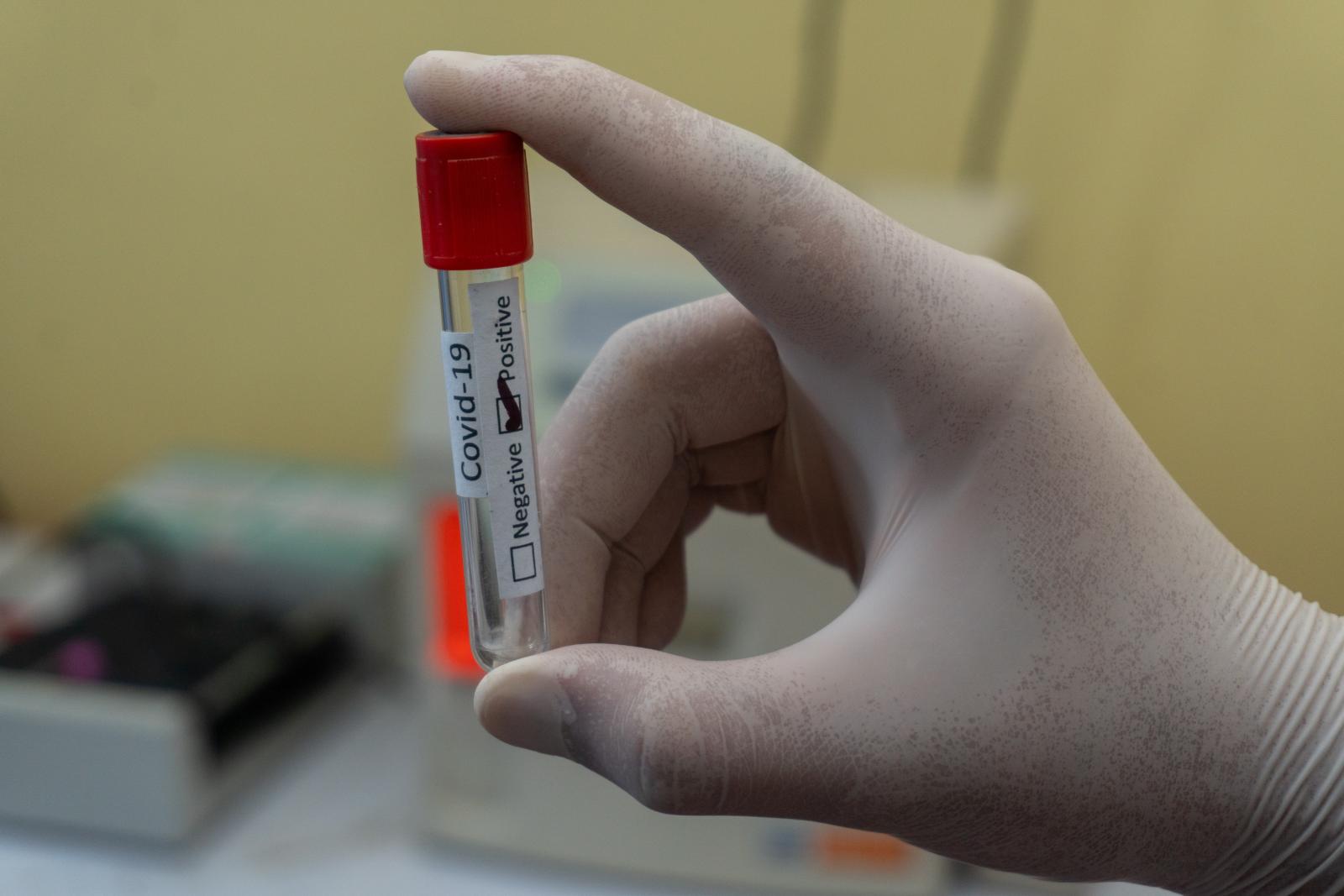
Coexistence with Covid-19 cannot yet be said to be stable, especially due to the great variability of SARS-CoV-2. For this reason, as the number of cases in Italy is increasing, it is necessary to limit the impact of infections by acting on two fronts, which are not alternatives to each other: reduce the share of people who have become partially susceptible and limit the likelihood of the emergence of new variants.
Image credits: Prasesh Shiwakoti (Lomash)/Unsplash
Several attempts have been made to archive Covid-19, trying to leave behind an experience worthy of the worst dystopian novel (about 770 million officially registered cases worldwide and an estimated 18 million deaths), but it seems that the anticipated "coexistence" with the family of viruses has not yet stabilized, and it will take several years to get there.