
The effectiveness of the pandemic H1N1 influenza vaccination program, introduced in Scotland in October 2009, has been assessed by a team of researchers from different Scottish and French institutions, coordinated by Dr. Colin Simpson, from the University of Edinburgh. The results of this assessment has been published in the June issue of Lancet.
The vaccination campaign consisted of two phases, the first being aimed at frontline health-care workers, pregnant women and people whose underlying health problems make them more sensitive to influenza-like illness; in the second phase, all children aged between 6 months and 5 years were targeted.
The researchers performed a retrospective study by linking primary care, hospital records and death certification datasets of 247178 persons, representing the 5% of Scottish population. Of them, 38296 (15.5%) were given the vaccination. In this nationally representative cohort there were fewer hospital admissions and deaths from influenza-like illness – influenza, pneumonia, chronic obstructive pulmonary disease and cardiac disorders – in patients who were vaccinated against H1N1 influenza A virus. A representative sub-group of patient was swabbed and tested with RT-PCR, revealing an estimated vaccine effectiveness of 77%. Such a result proved to be higher than recent estimates in case-control studies undertaken in the UK (72%) and Europe (71.9%) but lower than another one performed in Navarre, Spain (89%).
The study thus provided evidence that the Scottish H1N1 vaccination program have been effective, both in terms of protection against the virus and reduction of mortality from influenza-like illness, and is likely to have reduced the burden of pandemic influenza on health-care providers.
Effectiveness in Scotland
Primary tabs
Autori:
Sezioni:
Dossier:
H1N1 vaccine
prossimo articolo
COP28: It's Up to the Oil Tycoon to Say Goodbye to Fossils
di Luca Carra
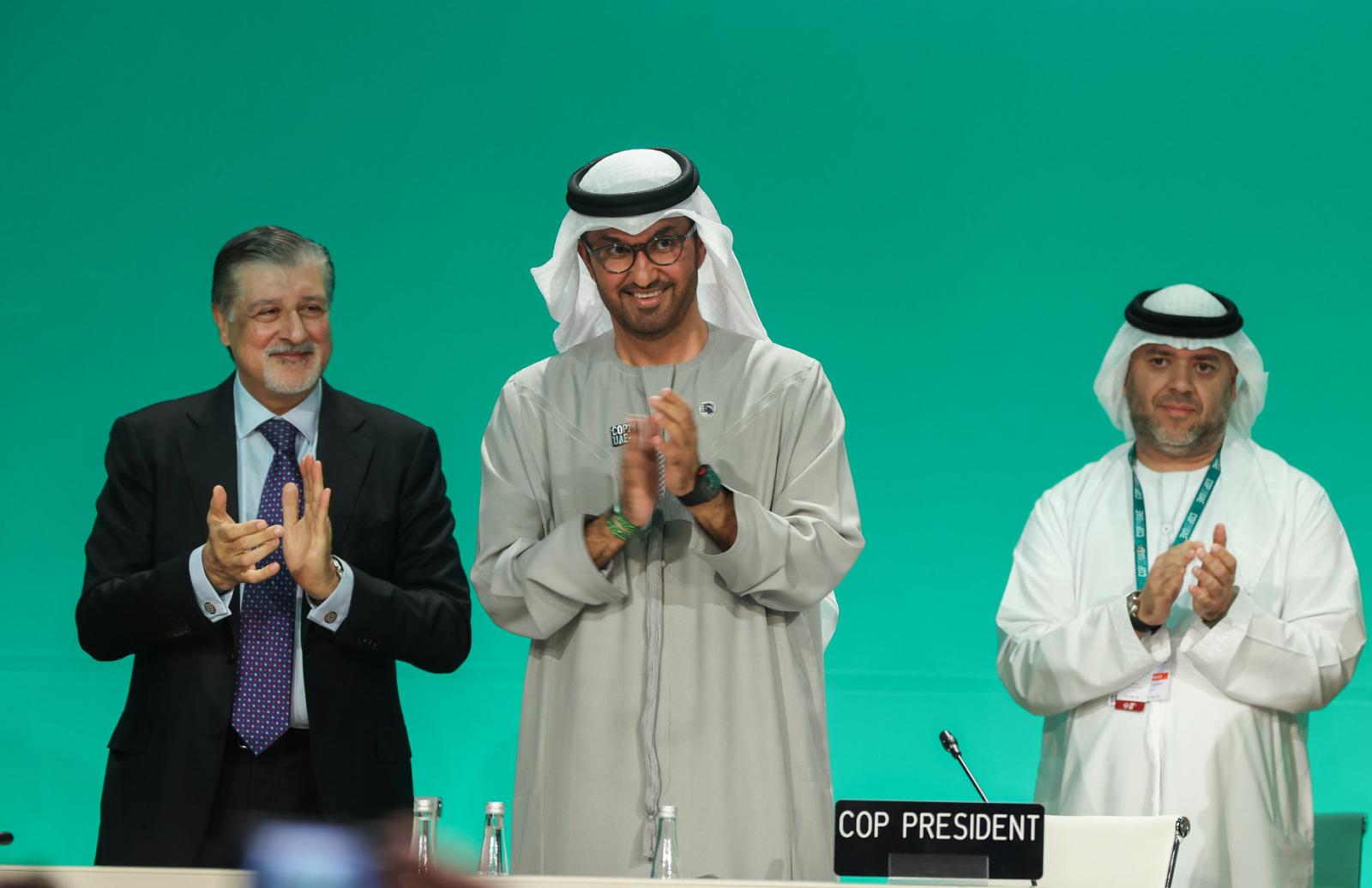
Source: UNFCCC.
It had to be an oil tycoon to say goodbye to fossils, like the smoker extinguishing his last cigarette and the alcoholic giving up the Negroni. And so it was: for the first time at a United Nations climate change Conference of the Parties, we declare in black and white our desire to abandon coal, gas, and oil. COP28 was held in Dubai, one of the countries most dependent on fossil fuels, and was coordinated by the extremely capable Sultan al-Jaber, president of the largest oil company, ADNOC.