
The mysterious disease that killed 14 people in Uganda since the beginning of July 2012 has finally been identified as the Ebola virus. The Ministry of Health (MoH) of Uganda and a World Health Organisation (WHO) representative reported the news after laboratory confirmation was done by the Uganda Virus Research Institute in Entebbe. A total of 20 total cases have been confirmed in Kibaale district, in the western part of Uganda, nine of which have occurred in a single household. Ebola virus causes haemorrhagic fever and internal bleeding; it is highly infectious as well as contagious.
The MoH coordinates a national task force and is cooperating with stakeholders, WHO and the Center for Disease Control and Prevention (CDC) in order to control the outbreak. Kibaale hospital has established a temporary isolation ward for suspected, probable and confirmed cases, with the collaboration of Médecins Sans Frontières (MSF).
At the moment, WHO does not recommend that any travel or trade restrictions are applied to Uganda.
Ebola outbreak in Uganda
Primary tabs
prossimo articolo
President Trump reshapes US research landscape
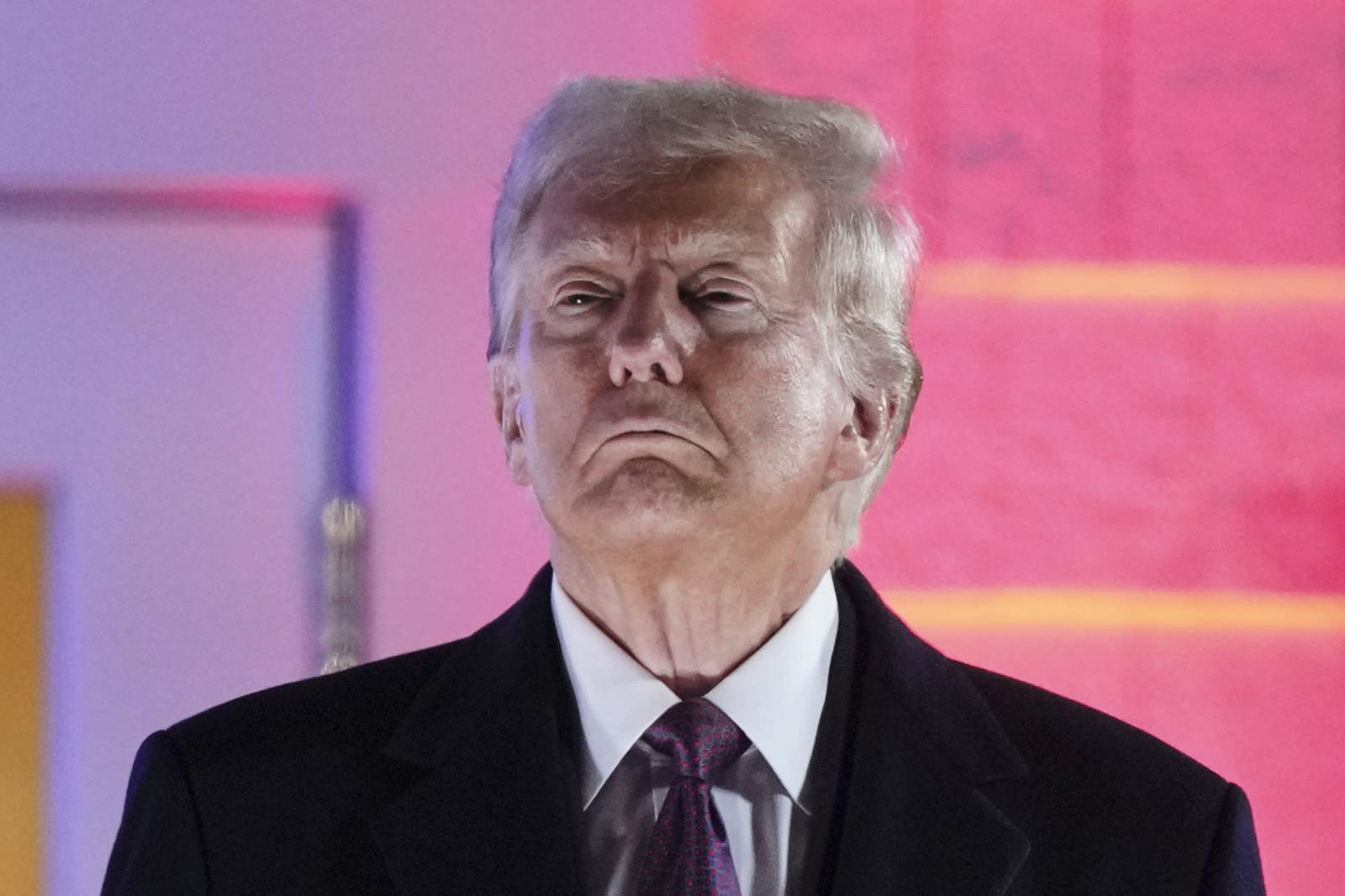
Con una serie di ordini esecutivi, Donald Trump smantella le politiche climatiche di Biden e ritira gli Stati Uniti dall'accordo di Parigi. Le agenzie federali scientifiche (EPA, NIH, CDC, FDA, NASA) vengono ristrutturate con nuove nomine orientate alla deregolamentazione. Vengono congelate le assunzioni federali, mentre la revisione delle collaborazioni internazionali potrebbe ridefinire il ruolo USA nella ricerca globale. Immagine: Donald Trump.
20 January 2025 marks a turning point in US science policy, with a series of executive orders drastically redefining the role of federal science and research agencies. A detailed analysis of the documents reveals an approach that fundamentally changes the basis of US climate, energy and biomedical research policy.
This comprehensive list shows the scope and breadth of the first day's interventions, which touch virtually every aspect of the federal government, from foreign policy to national security, from energy to immigration, from administrative reform to social policy.