
The mysterious disease that killed 14 people in Uganda since the beginning of July 2012 has finally been identified as the Ebola virus. The Ministry of Health (MoH) of Uganda and a World Health Organisation (WHO) representative reported the news after laboratory confirmation was done by the Uganda Virus Research Institute in Entebbe. A total of 20 total cases have been confirmed in Kibaale district, in the western part of Uganda, nine of which have occurred in a single household. Ebola virus causes haemorrhagic fever and internal bleeding; it is highly infectious as well as contagious.
The MoH coordinates a national task force and is cooperating with stakeholders, WHO and the Center for Disease Control and Prevention (CDC) in order to control the outbreak. Kibaale hospital has established a temporary isolation ward for suspected, probable and confirmed cases, with the collaboration of Médecins Sans Frontières (MSF).
At the moment, WHO does not recommend that any travel or trade restrictions are applied to Uganda.
Ebola outbreak in Uganda
Primary tabs
Autori:
Sezioni:
Dossier:
Indice:
Virus
prossimo articolo
COP28: It's Up to the Oil Tycoon to Say Goodbye to Fossils
di Luca Carra
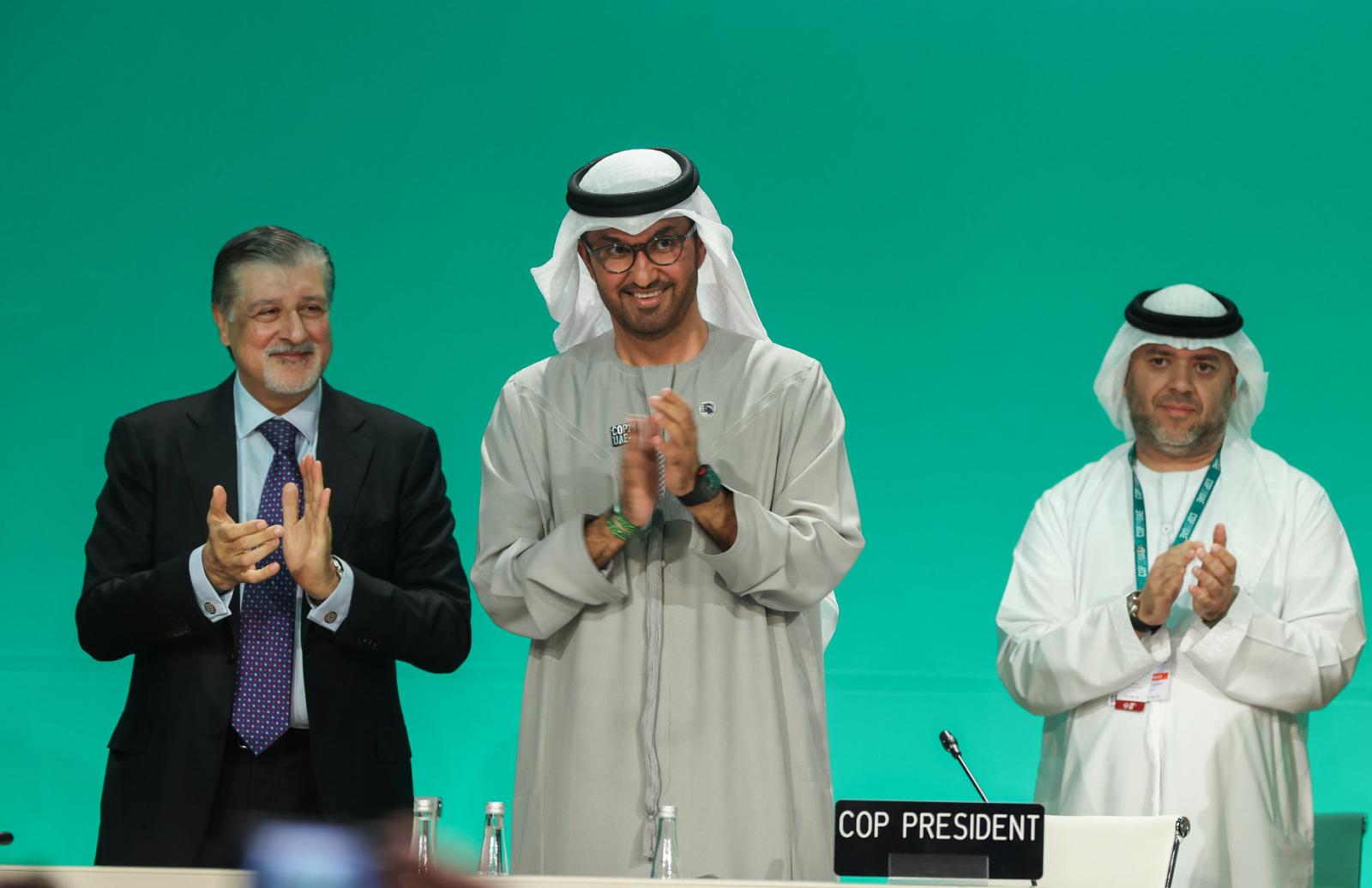
Source: UNFCCC.
It had to be an oil tycoon to say goodbye to fossils, like the smoker extinguishing his last cigarette and the alcoholic giving up the Negroni. And so it was: for the first time at a United Nations climate change Conference of the Parties, we declare in black and white our desire to abandon coal, gas, and oil. COP28 was held in Dubai, one of the countries most dependent on fossil fuels, and was coordinated by the extremely capable Sultan al-Jaber, president of the largest oil company, ADNOC.