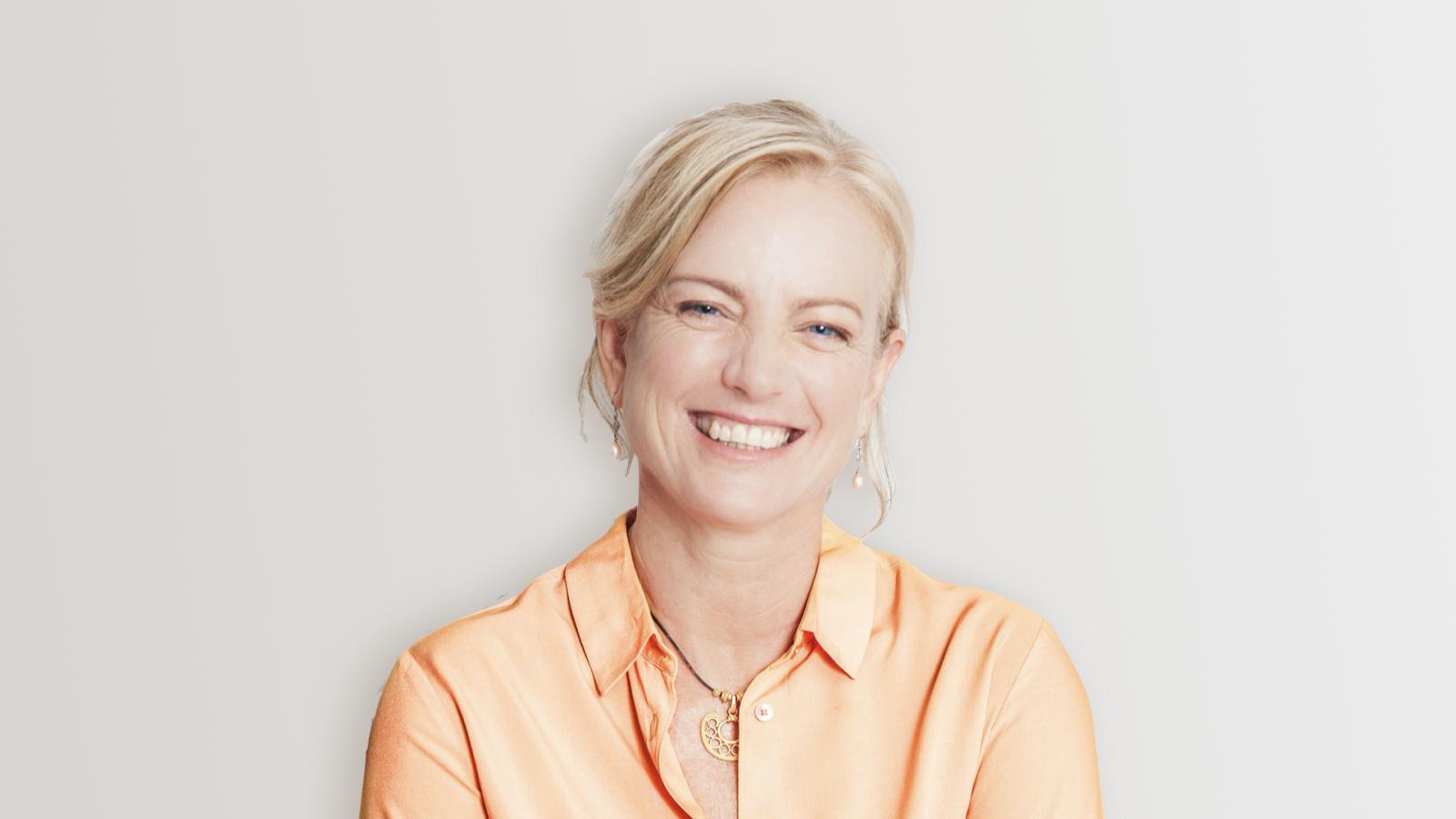
The International Agency for Research on Cancer (IARC) has the pleasure of announcing the re-election of Dr Christopher Wild as Director of this specialized cancer research agency of the World Health Organization (WHO). The IARC Governing Council, made up of representatives of 24 Participating States plus the Director-General of WHO, reappointed Dr Wild for a second five-year term at its annual meeting in Lyon on May 16–17, 2013.
“I have had the honour and privilege to lead IARC for five years, and I look forward to taking up the challenges posed by the markedly increasing number of cancer cases globally,” said Dr Wild. “The particularly heavy burden projected to fall on the low- and middle-income countries makes it implausible to treat our way out of this disease. This is why the Agency will continue to work for cancer prevention in the coming years, all the way from identifying the causes through to evaluating interventions.”
Brazil and Qatar became the two newest IARC Participating States during the Governing Council meeting. Dr Wild noted the importance of this, stating, “The presence of Brazil and Qatar means that two new regions of the world are represented on our governing body. This sends a strong signal that IARC’s remit is a global one, conducted in partnership with the emerging strengths and leadership in cancer research worldwide.”
Dr Wild, a former Professor of Molecular Epidemiology and Director of the Leeds Institute of Genetics, Health and Therapeutics (LIGHT), was first appointed Director of IARC in May 2008; he took office on 1 January 2009.