fbpx Latest worldwide climate information | Science in the net

Latest worldwide climate information

Primary tabs

Read time: 1 min

GeoOptics has launched the Climate Mobile 1.2 iPhone and iPad app for free to environmental enthusiasts and citizen scientists alike.

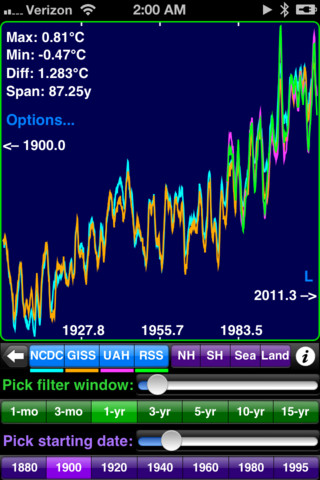
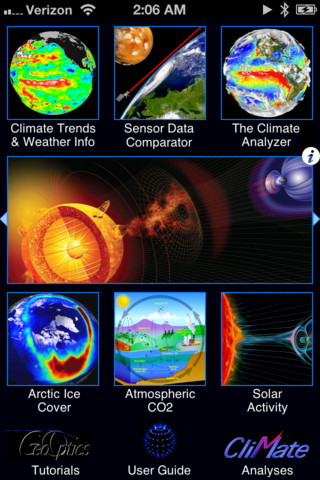
Climate Mobile provides up-to-date information on the global climate like temperatures, ice cover, atmospheric CO2, solar activity and weather reports. The app gives you access to data from international satellites and surface instruments, along with global temperature records from NASA and NOAA going back more than 130 years.

With Climate Mobile you can graph data, create charts, and compare variables with Climate Mobile’s built in tools. If you make a research breakthrough, you can email it to yourself. The app also offers educational tutorials, as well as tutorials to aid your data analysis.

Video overview and previews of the app:
[video:http://www.youtube.com/watch?v=4N5I6Z0xSew]

Climate Mobile fig 1 Climate Mobile fig 2


Scienza in rete è un giornale senza pubblicità e aperto a tutti per garantire l’indipendenza dell’informazione e il diritto universale alla cittadinanza scientifica. Contribuisci a dar voce alla ricerca sostenendo Scienza in rete. In questo modo, potrai entrare a far parte della nostra comunità e condividere il nostro percorso. Clicca sul pulsante e scegli liberamente quanto donare! Anche una piccola somma è importante. Se vuoi fare una donazione ricorrente, ci consenti di programmare meglio il nostro lavoro e resti comunque libero di interromperla quando credi.


prossimo articolo

Europe health saved by welfare

Peace Love Doctor, Bansky. Credit: Thomas Hawk / Flickr. Licenza: CC BY-NC 2.0.

Mortality trends in Europe have been decreasing in recent years, differently from what happened in the United States with the rise in the so-called “deaths of despair” among low educated middle-aged white Americans. Most of all, such trends in Europe show no interruptions due to the economic crisis. This is the conclusion of a study published on PNAS by LIFEPATH, a project funded by the European Commission, which investigates the biological pathways underlying social differences in healthy ageing.