fbpx Flipping through PubMed with a finger | Science in the net

Flipping through PubMed with a finger

Primary tabs

Read time: 1 min

PubMed is a free database of references and abstracts on life sciences and biomedical topics. The United States National Library of Medicine (NLM) at the National Institutes of Health maintains the database as part of the Entrez information retrieval system. PubMed was first released in January 1996.
As of 30 December 2011, PubMed has over 21.4 million records going back to 1966; about 500,000 new records are added each year. As of 1 December 2011, 12.3 million articles are listed with their abstracts, and 12.7 articles have links to full-text (of which 3.5 million articles are available full-text for free for any user).

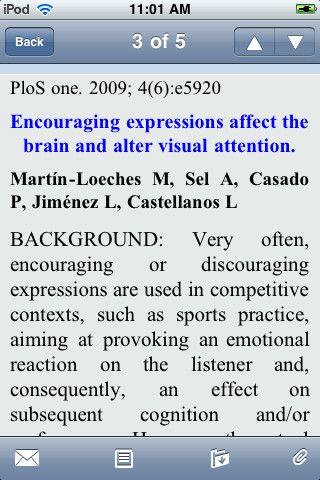
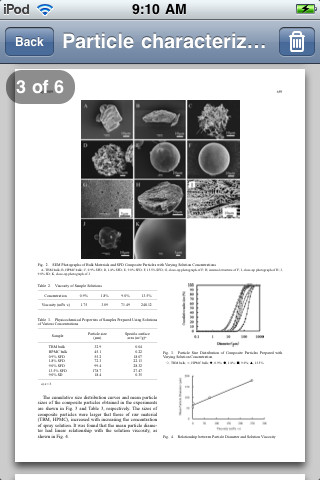
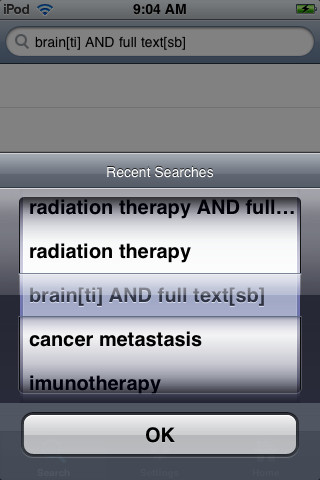
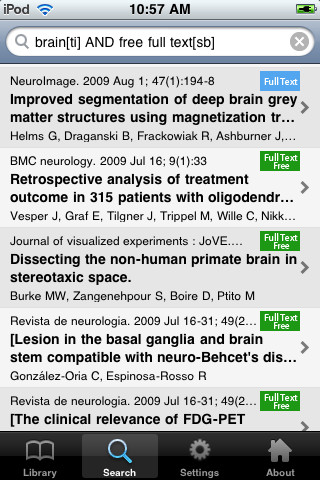
PubMed On Tap enables you to search PubMed. The app keeps a history of past searches. Search results, including those with PDFs, can be emailed. In the pro version you can also configure an advanced search and avoid banner ads.

If you have any questions, you can write to [email protected]

Previews of the app:
pubmed 1 pubmed 4 pubmed 3 pubmed 2 


Scienza in rete è un giornale senza pubblicità e aperto a tutti per garantire l’indipendenza dell’informazione e il diritto universale alla cittadinanza scientifica. Contribuisci a dar voce alla ricerca sostenendo Scienza in rete. In questo modo, potrai entrare a far parte della nostra comunità e condividere il nostro percorso. Clicca sul pulsante e scegli liberamente quanto donare! Anche una piccola somma è importante. Se vuoi fare una donazione ricorrente, ci consenti di programmare meglio il nostro lavoro e resti comunque libero di interromperla quando credi.


prossimo articolo

AI Agents as assistants in scientific research

Imaginary portrait of a human researcher and their robot assistant

Researchers work with an increasing volume of scientific literature and ever more complex methodologies, and for this reason, they can rely on new support tools: Agent Laboratory, AgentRxiv, AI Scientist-v2, and Co-Scientist are AI-based systems designed to assist them in their work.

The landscape of contemporary scientific research presents several significant challenges. On one hand, the growing specialization requires increasingly vertical expertise, while on the other, the need for interdisciplinary studies demands the ability to navigate through different domains of knowledge. This paradox puts pressure on researchers, who must balance depth and breadth in their investigations.