fbpx iTunes U | Science in the net

iTunes U

Primary tabs

Read time: 1 min

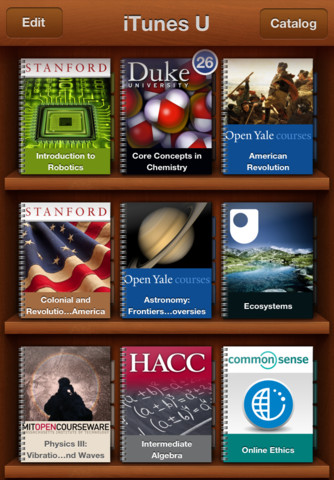
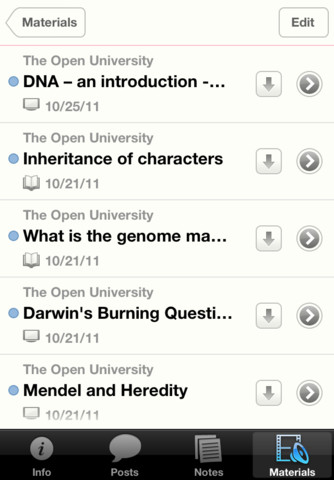
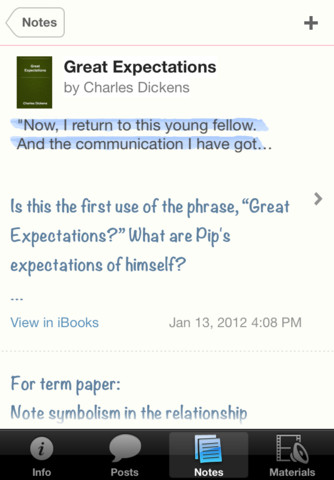
The iTunes U app gives you access to complete courses from leading universities and other schools - plus the world’s largest digital catalog of free education content - right on your iPad, iPhone, or iPod touch.

Video tutorial e previews of the app:

[video:http://vimeo.com/33626913]

Digital Discoveries on Vimeo

iTunes U unoiTunes U dueiTunes U quattroiTunes U tre


Scienza in rete è un giornale senza pubblicità e aperto a tutti per garantire l’indipendenza dell’informazione e il diritto universale alla cittadinanza scientifica. Contribuisci a dar voce alla ricerca sostenendo Scienza in rete. In questo modo, potrai entrare a far parte della nostra comunità e condividere il nostro percorso. Clicca sul pulsante e scegli liberamente quanto donare! Anche una piccola somma è importante. Se vuoi fare una donazione ricorrente, ci consenti di programmare meglio il nostro lavoro e resti comunque libero di interromperla quando credi.


prossimo articolo

Epidemic: from reality to fantasy

Comparing the Covid-19 pandemic with two pandemics from literature: “The White Plague” by Frank Herbert and “Station 11” by Emily St. John Mandel

Epidemics is an often recurring theme in world literature, where authors share with us their realistic and unrealistic version of them. I recently read two books with global plagues in them: “The White Plague” by Herbert (1982) and “Station 11” by St. John Mandel (2014). These books came to mind at the outbreak of the new coronavirus epidemics, and I was reminded of the traits of their own epidemics and how puzzled they had left me. I will not compare these three diseases scientifically, as that would be impossible.