fbpx iTunes U | Science in the net

iTunes U

Primary tabs

Read time: 1 min

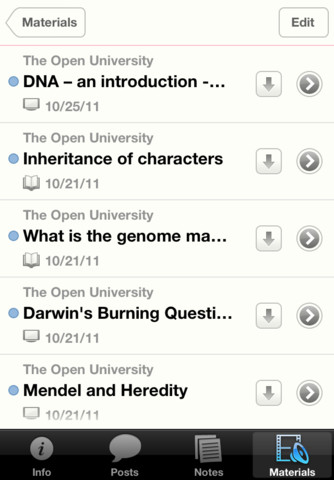
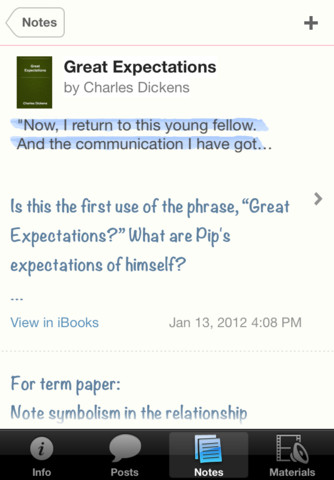
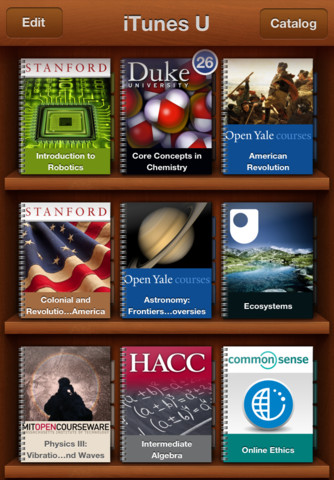
The iTunes U app gives you access to complete courses from leading universities and other schools - plus the world’s largest digital catalog of free education content - right on your iPad, iPhone, or iPod touch.

Video tutorial e previews of the app:

[video:http://vimeo.com/33626913]

Digital Discoveries on Vimeo
iTunes U unoiTunes U dueiTunes U quattroiTunes U tre


Scienza in rete è un giornale senza pubblicità e aperto a tutti per garantire l’indipendenza dell’informazione e il diritto universale alla cittadinanza scientifica. Contribuisci a dar voce alla ricerca sostenendo Scienza in rete. In questo modo, potrai entrare a far parte della nostra comunità e condividere il nostro percorso. Clicca sul pulsante e scegli liberamente quanto donare! Anche una piccola somma è importante. Se vuoi fare una donazione ricorrente, ci consenti di programmare meglio il nostro lavoro e resti comunque libero di interromperla quando credi.


prossimo articolo

Sir William Ramsay: Sustainable Energy Pioneer

The Scottish chemist William Ramsay (Glasgow, 1852 – High Wycombe, 1916) carried out the researches that made him famous in the last decade of the 19th century. He won the Nobel Prize in Chemistry for his discovery of the noble gases (1904). Thanks to his fame, his talents as a consult were in considerable demand in a variety of sectors. Ramsay chaired the British Association for the Advancement of Science. His opening speech at the Portsmouth meeting of the British Association for the Advancement of Science held in August 1911 was focused on the energy resources.